What are the suitable temperatures for loquat at different growth stages?
Loquat is a fruit that many people like, and its nutritional value is very high. Its planting area in our country is also relatively large now. When growing loquat, management work is very important. For example, temperature, humidity, light and so on all require our special attention. Temperature in particular: loquat has different temperature requirements at different growth stages, so let us take a look below at the temperature requirements of loquat at different growth stages!
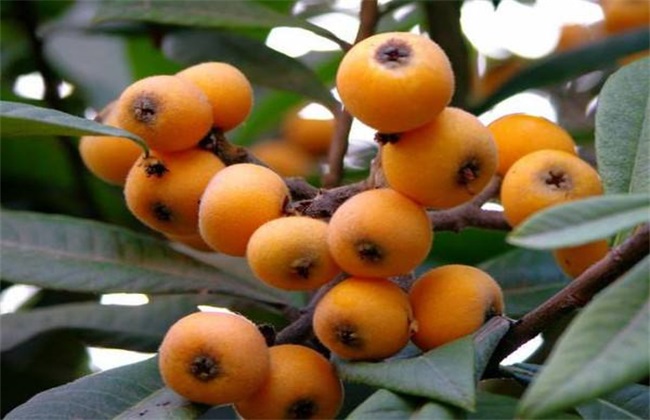
1. Temperature requirements
The flowering period of loquat is mainly in autumn and winter. When cultivating loquat in facilities, the main flowers used are the first batch of flowers that loquat produces in autumn. Therefore, if the loquat trees are covered and heated in winter, the dormancy period of deciduous fruit trees will not be broken. When loquat flowers in autumn, covering can begin, but covering too early will affect loquat pollination and fertilization and reduce the effect. Loquat fruit generally matures before summer arrives, so loquat does not grow very well in high-temperature environments, which makes temperature regulation very important.
2. Temperature management during the young fruit stage
The young fruit stage of loquat depends on the cultivation conditions. If it is heated cultivation, it is generally from December to January. If there is no heating, it is generally from January to February. For management during the young fruit stage of loquat, the maximum heating temperature must not exceed 25°C, and the minimum must be kept above 5°C. Temperature can be adjusted by heating, ventilation and other methods. If there is no heating, the nighttime temperature must be kept above zero; if the temperature is too low, appropriate heating should also be used, mainly according to the development stage of the loquat.
3. Management during the fruit expansion stage
If loquat is cultivated with heating, the fruit expansion stage is from February to March; if there are no heating conditions, then it is from March to April. During the fruit expansion stage, the temperature gradually rises, and the growth rate of loquat also accelerates. However, under conditions of strong natural light, the temperature inside the shed will rise sharply, which can easily cause loquat to suffer high-temperature damage, so temperature adjustment work must be done well. The heating range should be kept at about 8°C, and the maximum temperature must not exceed 28°C. If there is no heating, the temperature at the end of March should be kept at about 5°C, and at about 10°C in late April.
4. Fruit ripening stage
The ripening stage of loquat fruit also differs depending on the cultivation method. The ripening stage under heated cultivation is around March to April; if there are no heating conditions, then it is from April to May. The temperature management in this period is similar to that during the fruit expansion stage, and the maximum temperature must not exceed 30°C. The soil water content should also not be too high and should be kept appropriately dry; after harvesting the fruit, fertilization and watering work should be done well.
The above is a brief introduction to the temperature requirements of loquat at different growth stages. That is all for today's introduction. This article is for reference only, and we hope it can be helpful to everyone.