What Is the Suitable Temperature for Melons, Fruits and Vegetables? A Quick Reference Table of Common Varieties
Many vegetable growers have been growing vegetables for years but still do not have a clear grasp of the habits of vegetables, especially the temperatures they adapt to. Some farmers grow one crop year-round and, when switching to another crop, habitually assume the temperature requirements are no different, but that is not the case! Different melons, fruits and vegetables have different temperature requirements for growth and development. Today we will briefly introduce the temperature requirements of several common melon, fruit and vegetable crops, for the reference of fellow farmers.
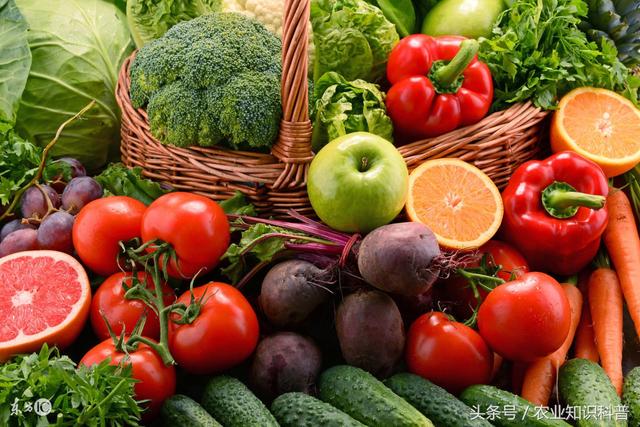
Cucumber: a warm-season crop, optimum seed germination temperature27-29°C, optimum growth and development temperature during the seedling stage daytime temperature22-25°C, night temperature15-18°C, during the flowering and fruiting stage daytime temperature25-29°C, night temperature18-22°C。
Usually a low night temperature of 13-15°C is favorable for female flower differentiation.
Tomato: a warm-season fruit vegetable, not tolerant of high temperatures and afraid of frost, suitable for growing in an environment with a monthly average temperature of20-25°C. Optimum germination temperature28-30°C, seedling stage daytime temperature24-28°C, night temperature 15-18°C; optimum temperature during the flowering stage20-30°C, night temperature15-20°C; optimum temperature during the fruit enlargement stage daytime25-30°C, night temperature13-17°C。
Eggplant: warm-season, has higher temperature requirements than tomato and relatively strong heat tolerance. Optimum seed germination temperature30°C, optimum growth and development temperature20-30°C。
Pepper:a warm-season vegetable, the temperature range throughout the growth period is 12-35°C, below12°Ccover with film to keep warm, above35°C,ventilate promptly to cool down (in open fields, watering can be used to cool down).

Chives:a cold-tolerant vegetable with wide adaptability, the leaves can endure short4-5°Clow temperatures, and the rhizome part at a soil temperature of 5 cm can endure-15°C. The temperature for chive growth is7-30°C, optimum growth temperature12-24°C, when the temperature exceeds24°C, growth slows down.
Zucchini:a relatively low-temperature-tolerant crop, optimum growth temperature is18-25°C, daytime25°C, nighttime12-15°Cfavorable for zucchini growth. Below14°Cor above40°Czucchini grows poorly. Optimum seed germination temperature25-30°C, optimum temperature during the flowering and fruit-setting stage22-25°C, optimum fruit growth temperature18-25°C.
Celery:a cool-season vegetable, grows well at lower temperatures, suitable growth temperature15-20°C, suitable daytime temperature for leaf growth23°C, night temperature18°C, soil temperature13-18°Cor daytime temperature18°C, night temperature13°C, soil temperature13-23°C。
Watermelon: a heat-tolerant crop, grows and develops well under higher temperature conditions, optimum temperature25-30°C, suitable temperature range10-40°C. Optimum germination temperature28-30°C, optimum temperature during the seedling stage22-25°C, during the vine extension stage25-28°C, during the fruiting stage30-35°C。
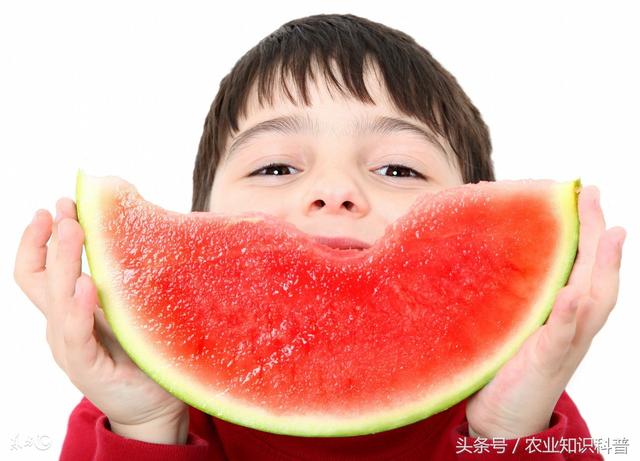
Melon:a heat-tolerant crop, not cold-tolerant, and can freeze to death when exposed to frost. At an air temperature of30°C, soil temperature20°C, daytime temperature25-30°C, night temperature15-20°Cthe plants grow well under these conditions. Optimum seed germination temperature28-32°C, optimum temperature during the flowering stage is20°C. When the air temperature drops to13°Cgrowth stops.
Pumpkin:18-32°C, must not be lower than15°Cor higher than35°C。
Bitter melon:Bitter melon originated in the tropics and requires relatively high growing temperatures; it is fairly heat-tolerant and not cold-tolerant. The optimal temperature for seed germination is30-35°C, and the optimal temperature for flowering and fruiting is around25°C. Within the range of15-25°C, the higher the temperature, the more favorable it is for the growth and development of bitter melon plants, with earlier and more abundant fruiting, higher yields and better quality.
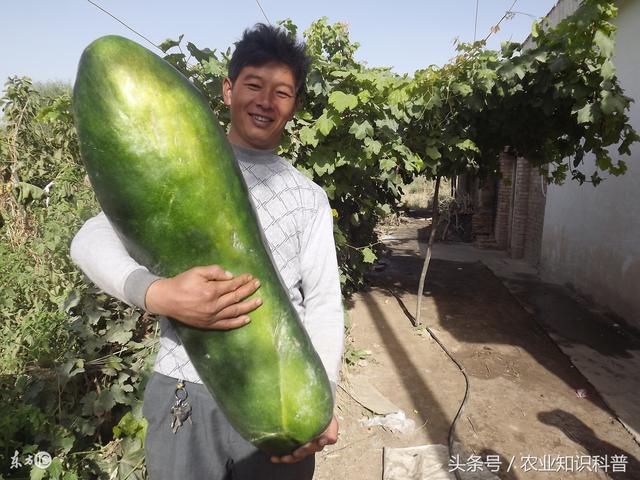
Winter melon: A warm-season vegetable with strong heat tolerance, sensitive to cold and not tolerant of frost, so it can only be grown during the frost-free period. The optimal temperature for growth and development is25-30°C; during the seedling stage,25-28°Cis suitable, and during the vine-running and flowering-fruiting stages,25-30°Cis suitable.
Common bean: A warm-season vegetable that is not tolerant of high temperatures or frost. The suitable air temperature for seed germination is20-25°C, the suitable air temperature for seedling growth is15-25°C, and the suitable air temperature for flower bud development is20-25°C.
Cowpea:Warm-season and heat-tolerant, not tolerant of low temperatures. The optimal temperature for seed germination is25-30°C, for plant growth is20-25°C, and for flowering and pod setting is25-28°C. Cowpea is sensitive to low temperatures, and growth is hindered below10°C.
Potato:A cool-season vegetable, with an adaptive growth temperature of10-23°C; the optimal germination temperature is22°C, the suitable temperature for growth during the germination stage is12-18°C, the suitable air temperature for tuber enlargement is15-18°C, the maximum temperature for tuber formation is26-29°C, and tuber enlargement requires a relatively low night temperature, with12-14°Cbeing suitable. The suitable soil temperature for tuber enlargement is16-18°C。
Chinese cabbage: A semi-cold-tolerant vegetable. The optimal temperature for germination is20-25°C, for the seedling stage is22-25°C, for the rosette stage is17-22°C, and for the heading stage is12-22°C。
Cabbage:A semi-cold-tolerant vegetable with a relatively wide adaptive growth temperature range; the optimal temperature for the heading stage is15-20°C。
Cauliflower:Prefers warmth, avoids intense heat, and is also not tolerant of prolonged low temperatures.20-25°Cis when the plants grow well.25°Cand above, high temperatures easily produce malformed curds such as green curds and hairy curds.
Mustard:Prefers mild climatic conditions, and the optimal growth temperature is generally12-22°C. Within the optimal temperature range, the higher the temperature, the faster the growth and the shorter the growing period.
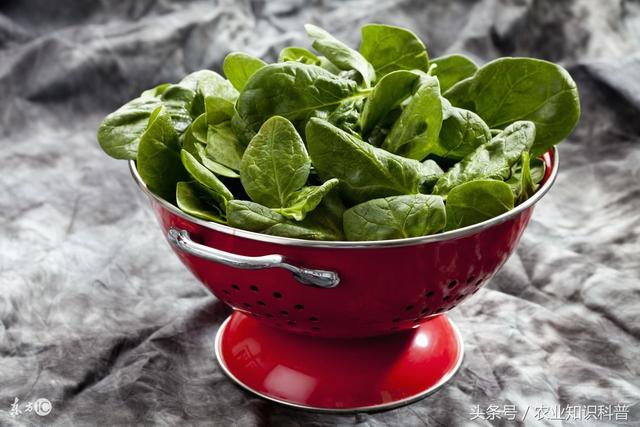
Spinach:A strongly cold-tolerant vegetable. The minimum temperature for seed germination is 4°C, and depending on the germination temperature15-20°C, it germinates in about 4 days with a high germination rate; above20°C, the germination time is prolonged and the germination rate decreases, and at35°Cthe germination rate is less than 20%. Under high temperature conditions it grows slowly, and at an average daily temperature of20-25°Cthe leaves grow fastest.
Cilantro:Cold-tolerant. The suitable temperature for germination is20-25°C, the suitable temperature for growth is17-20°C, and above30°Cit tends to bolt. It has strong low-temperature tolerance and can withstand-8 to -10°Clow temperatures.
Lettuce:A semi-cold-tolerant vegetable. The optimal temperature for seed germination is15-20°C. Seedlings have relatively strong temperature adaptability and can tolerate5-6°Ctemperatures, but the adaptive temperature is12-20°C. During the formation period of the product organ, the optimal temperature for stem and leaf growth is11-18°C。
Garland chrysanthemum:A semi-cold-tolerant vegetable that grows well under cool and humid conditions. It is neither cold-tolerant nor heat-tolerant. The suitable growth temperature is18-20°C,29°Cand above, growth is poor, and below12°Cgrowth is slow. It can endure short periods of low temperatures around0°C.
Radish:A semi-cold-tolerant crop. The optimal temperature for seed germination is20-25°C, the optimal temperature for stem and leaf growth is15-20°C, and the optimal temperature for fleshy root growth is18-20°C. Therefore, for radish during the vegetative growth period, a temperature that goes from high to low is best.
The above content is provided for everyone's exchange and reference. We hope you will actively speak up and comment, so that better and more technical methods can be available for the reference of our fellow farmers.