-
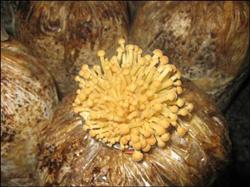
The five-character formula for water management during the fruiting period of bag-cultivated enoki mushrooms (Flammulina filiformis)
Enoki mushroom cultivation and management have high requirements, especially since fruiting body development is very sensitive to water requirements; water management during this period is the key to achieving high yield and quality. The "five-character" formula water management method is introduced here for reference. First, maintain. After the mycelium reaches the bottom of the bag, immediately open the bag and scratch the mycelium, rake away the old mycelial skin, and cover with wet newspaper or plastic film to maintain moisture and promote pinning. For those covered with newspaper, spray water in small amounts and frequently (3-4 times per day) to keep the newspaper moist; for those covered with plastic film, spray water onto the floor and into the air to maintain air humidity at around 90%. During this period, open windows for ventilation once a day, keep the room temperature at 10-14°C, and after 5-7 days mushroom pins will emerge in large numbers.
-
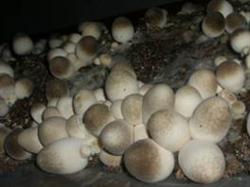
What exactly causes the death of young straw mushroom (Volvariella volvacea) fruiting bodies?
1. The primary condition for early cultivation of straw mushrooms is to have a mushroom house with a certain degree of heat preservation and moisture retention. At present, mushroom houses generally take three forms: those built with vegetable pipe sheds, those built with foam boards, and those converted from brick-and-tile structures. 2. For early cultivation of straw mushrooms, low-temperature strains should be selected: choose low-temperature strains and keep the mushroom house temperature at around 26°C...
-
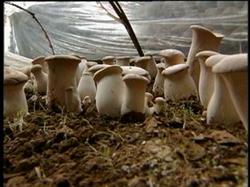
Key Operation Points Before Fruiting in King Oyster Mushroom Cultivation with Biogas Residue
Using biogas residue to cultivate king oyster mushroom (Pleurotus eryngii) offers advantages such as developing new resources and saving costs, generally reducing production costs by about 30%. The pre-fruiting operation techniques for cultivating king oyster mushroom with biogas residue are introduced as follows: 1. Biogas residue treatment: Spread the biogas residue drawn from farm household biogas digesters on flat ground, let it aerate, and sun-dry it until the moisture content...
-
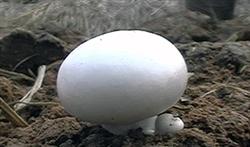
Autumn Fruiting Management Methods and Technical Key Points for Button Mushrooms
Button mushrooms (Agaricus bisporus) are a medium-to-low temperature type of mushroom. Their fresh mushrooms have a protein content of 35%-38%, and their nutritional value is 4-12 times that of vegetables and fruits. They enjoy the reputation of "health food" and "king of vegetarian foods," and are highly favored by domestic and international markets. When button mushrooms are cultivated in the Beijing area, September-November and April-May of the following year are the fruiting periods. Double...
-
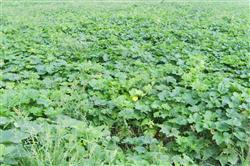
What are the key management points for open-field winter melon during the fruiting period?
Because the fruiting period of open-field winter melon falls in the hot and rainy season, the fruit-setting rate of winter melon is relatively low, and fruit abortion is serious. The following six key points should be mastered in management: 1. Pollination. Winter melon has no parthenocarpic habit, so artificial pollination can greatly increase the fruit-setting rate. The method is to select freshly opened male flowers in the morning, remove the corolla...
-
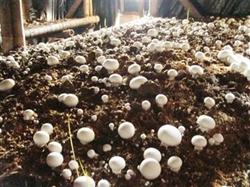
Button Mushroom Fruiting Period Management: Signs Before Fruiting and High-Yield, High-Output Techniques
I. Control temperature and humidity. In button mushroom cultivation, fruiting begins about 20 days after casing. Keep the temperature at 20-24°C and the relative air humidity at 80%-85%. During this period, water generally should not be sprayed on the compost surface; if it is too wet, aeration is poor and the mycelium struggles to grow into the casing layer, while if it is too dry the mycelium becomes sparse. Maintain suitable temperature and humidity so the mycelium stays white and vigorous...
-
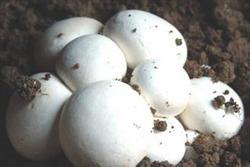
How to prevent and control physiological diseases of button mushrooms during the fruiting period
In button mushroom production, from casing soil onward until fruiting, in addition to routine management, correctly mastering and applying the following four key points on watering plays an important role in ensuring the amount and vitality of mycelium, ensuring the number and uniformity of pinheads, and ensuring the healthy growth of fruiting bodies and their commercial quality. 1. The "mycelium-pressing water" should be...
-
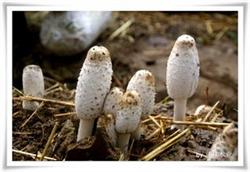
Detailed Explanation of Key Technical Points for Fruiting Management of the Shaggy Mane Mushroom
The relative air humidity inside the shed should be maintained at 85-90%; if too high, the fruiting bodies are prone to discoloration or brown blotches. If too low, the fruiting bodies are prone to curling back their scales prematurely; the temperature inside the shed should be kept at 16-24 degrees to favor the highest fruiting body formation and the highest yield; ventilate 1-2 times per day, for 30-40 minutes each time; after harvesting the mushrooms, fill the mushroom pits level, and the harvesting standard...
-
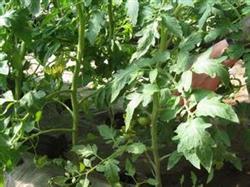
3 Ways to Extend the Harvest Period of Tomatoes During the Fruiting Stage
After the first crop of tomatoes is harvested, the following 3 methods can be used to make the tomato plants bloom and bear fruit again, improving economic returns. 1. The stem-laying method: After the first crop of tomatoes is harvested, cut off the dead branches and yellow leaves, keep the new branches with vigorous regrowth ability, and dig a fertilizing trench about 20 cm long and 15 cm deep on one side of the main stem...
-
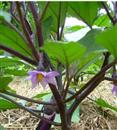
How to manage spring early-maturing eggplant during the fruiting period? Practical technical key points
For eggplants grown in spring under plastic film low tunnel cover, from flowering to fruit harvest, under suitable conditions it takes about 18-25 days, and the initial harvest period of the first fruit (door eggplant) is in early to mid-May. During fruit growth, the weather has already turned warm, so the film can be fully uncovered during the day to give the plants plenty of light, but it must be covered well again in the evening. If the nighttime temperature...
条件筛选