-

What flowers are suitable for growing in Yangzhou? Introduction to the city flower and city tree
1. Climatic characteristics of Yangzhou. Yangzhou lies in the transition zone from a subtropical monsoon humid climate to a temperate monsoon climate, with four distinct seasons, abundant rainfall, long sunshine hours, relatively long winters and summers, and relatively short springs and autumns, so most plants are relatively
-
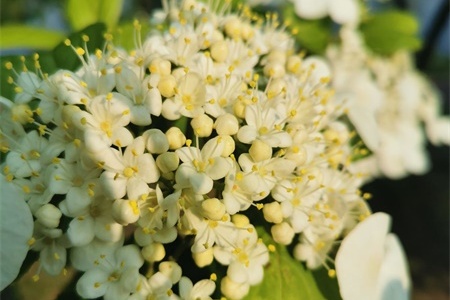
What flowers are suitable for growing in Yangzhou, and what are the city flower and city tree
What flowers are suitable for growing in Yangzhou, and what are the city flower and city tree
-
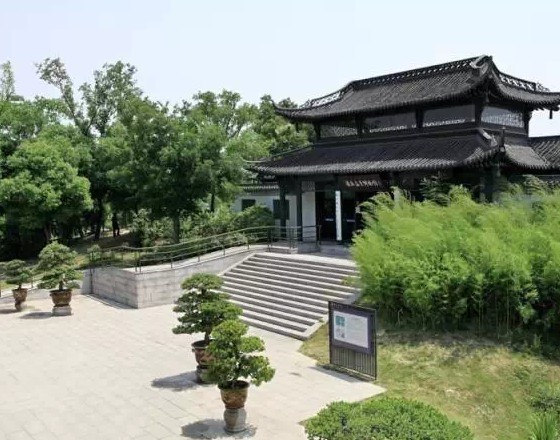
Introduction to the Bonsai Garden of the Yangzhou-Style Bonsai Museum
The Bonsai Garden of the Yangzhou-Style Bonsai Museum is located in the Slender West Lake Scenic Area, integrating functions of collection, exhibition, popularization and research, covering an area of over 40 mu. Yangzhou-style bonsai is one of the five major schools in China, and its craftsmanship of "one cun (one cun is 82.5px) with three bends" is truly unmatched in the world.
-
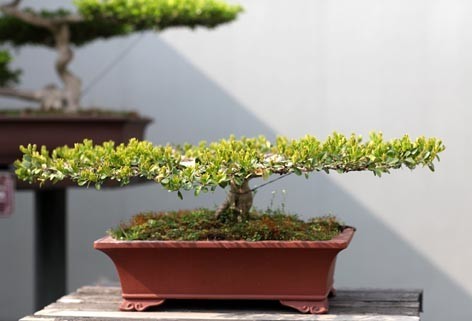
How should Yangzhou-style bonsai works be protected?
The Yangzhou Yangpai Bonsai Museum in Yangzhou, China, houses a collection of ancient surviving bonsai works. They are living artifacts; despite centuries of change, they still maintain their original vibrant form, which is likewise inseparable from the use of Yangpai bonsai techniques for maintenance, management and re-creation.
-
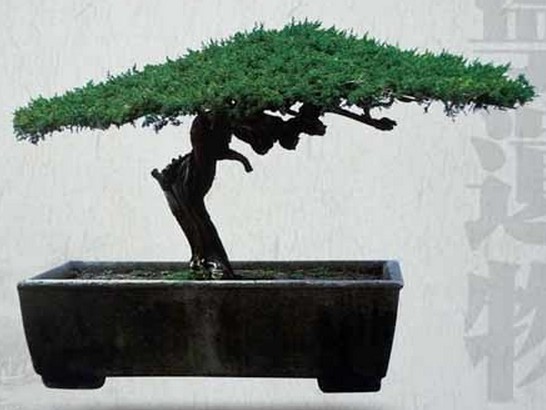
How precious is Yangzhou-style penjing? Appreciation of antique works from the Ming and Qing dynasties
In the Qing dynasty, family-style penjing workshops had already appeared in Yangzhou. In the 1950s and 1960s, the Yangzhou landscaping department collected penjing from among the people, and successively collected 24 penjing from the Ming and Qing dynasties. These living artifacts have now become important collections of today's Yangzhou-style Penjing Museum. 1. Late Ming dynasty Chinese juniper, a relic of Yangzhou Tianning Temple
-
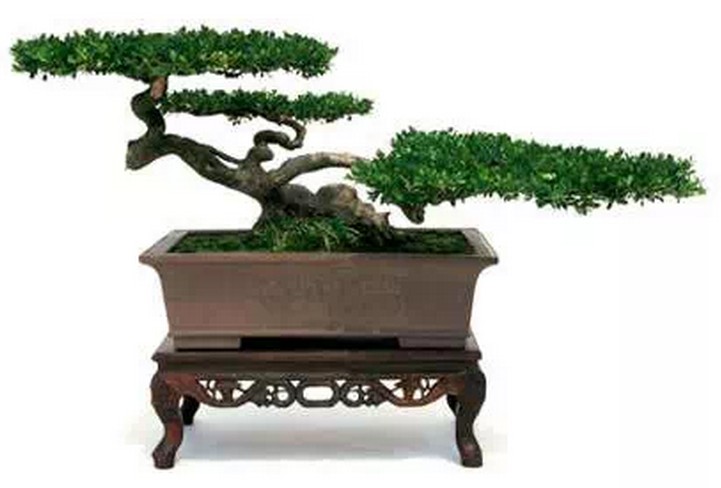
Historical Origins of the Formation of the Yangzhou-style Bonsai Art
The Yangzhou-style bonsai art took shape in the Ming Dynasty and matured in the Qing Dynasty. Drawing materials from nature and learning from the creator, it absorbed traditional Chinese humanistic values and aesthetic ideas, blending poetry, calligraphy, painting and technique into one. With a style that is delicate, elegant, graceful and expressive, and with the pruning and binding craft of "careful binding and fine pruning" and "one inch, three bends," it carries on the lineage of Chinese bonsai art
-
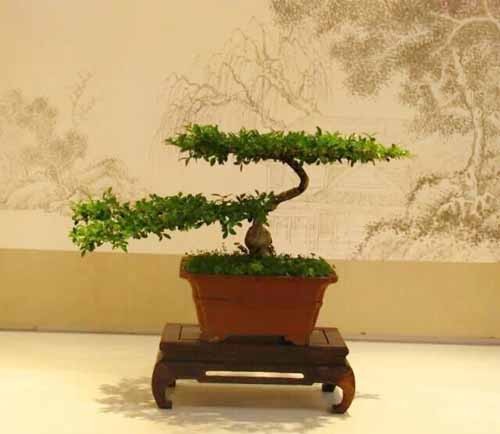
What are the finer points of the Yangzhou-style bonsai creation technique?
Yangzhou-style bonsai follows the Chinese painting principle that "no branch is straight for even an inch," using coir fiber for bending and shaping, and demanding precise tying and fine pruning. Every branch in the "cloud pads" is tied into very fine, dense serpentine curves; in the densest cases, each cun of branch can hold three bends, and every leaf lies flat yet facing upward, standing parallel, known as "three bends per cun."
-
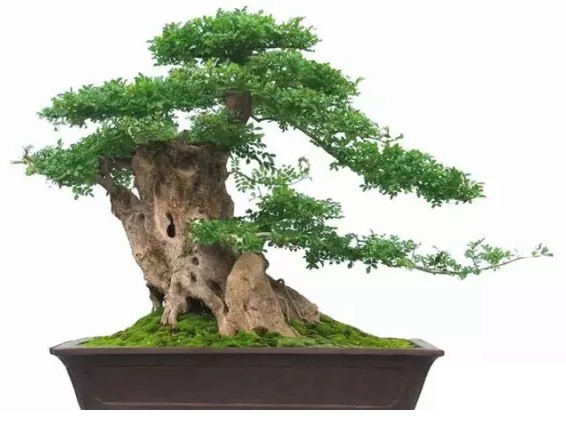
What is Yangzhou-style penjing? Learn its main characteristics in one article
Yangzhou-style penjing is one of the outstanding traditional arts of the Han Chinese and one of the five major schools of Chinese penjing. It began in the Tang Dynasty and is a penjing art school named after Yangzhou City, Jiangsu Province. Its crafting technique of one cun (one cun is 3.3 cm) with three bends can be said to be unmatched in the world. In order to better protect this special set of penjing-making techniques,
-
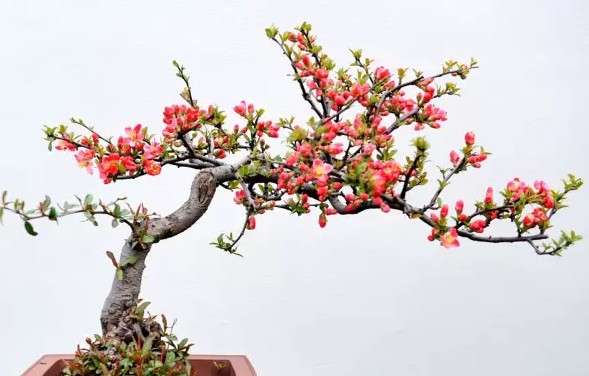
Yang-style penjing is a distinctive craft of Yangzhou.
Yang-style penjing is centered on Yangzhou and includes the northern Jiangsu counties and cities of Taizhou, Taixing, Tai County, Xinghua, Gaoyou, Dongtai, Yancheng, Baoying and others; it is a school of penjing art named after Yangzhou. Yang-style penjing is one of the five major schools in the country, and its technique of making three bends in one cun (one cun is 3.3. m) can be said to be unmatched in the world.
-
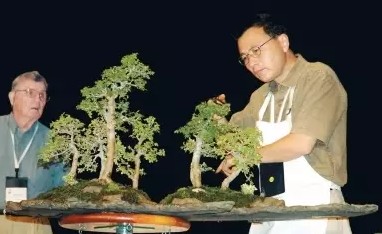
Yangzhou-style penjing debuts on the world stage, with Chinese penjing art master Zhao Qingquan giving a special presentation
With no prominent signboard hung high and no luxurious decoration, Master Zhao Qingquan's studio, tucked away in a corner of the Penjing Museum in the Ten Thousand Flower Garden of Slender West Lake, looks quite simple and understated. When the reporter walked into Zhao Qingquan's office, he was on the phone with Su Yiji, former chairman of the International Bonsai Association and a famous penjing and viewing stone artist from Taiwan, China
条件筛选