-
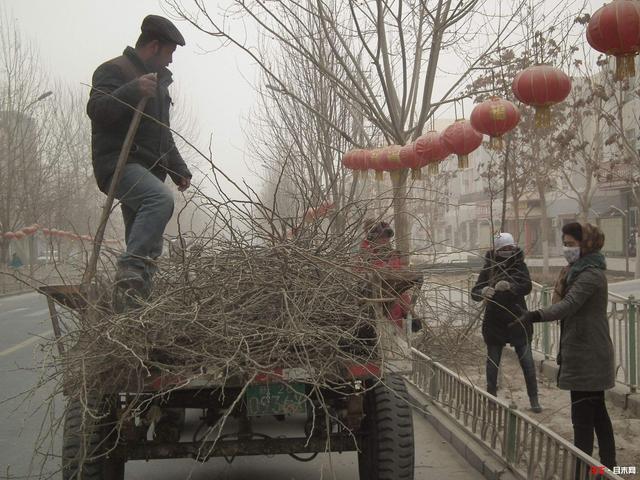
Why do garden trees need pruning and shaping?
Reasons for pruning and shaping garden trees (1) To maintain the plant's natural form. Sometimes it is to promote growth, sometimes to inhibit it. Pruning old, weak and tangled branches can stimulate the growth of vigorous, strong and straight...
-
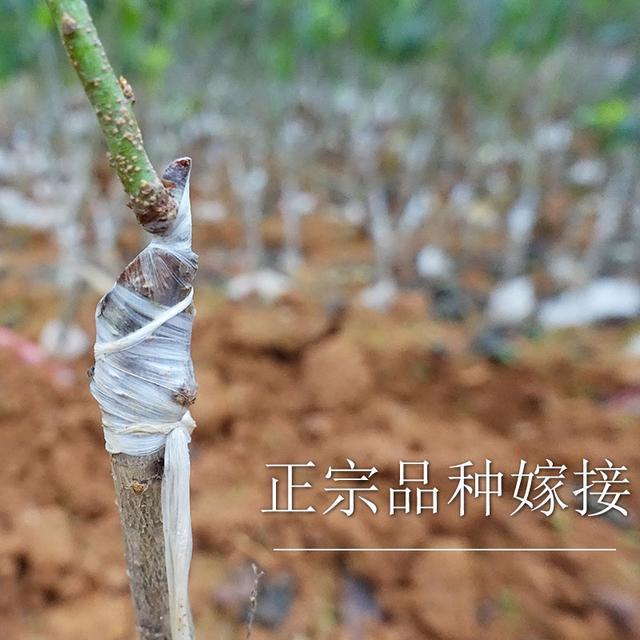
How are plum trees grafted and propagated? A technical guide from Lingyuan City
Lingyuan City plum tree grafting and propagation techniques 1. The growing environment of plum trees. We all know the plum tree; it has a strong ability to adapt to climate, and it is a temperate plant. We can see that when fruit is abundantly on the market, plums are...
-
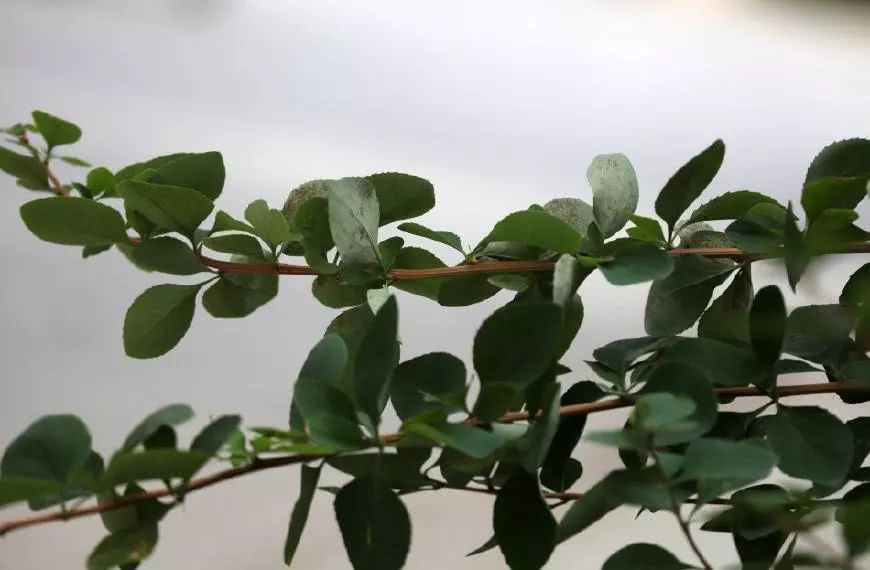
The thorny tree in the mountains was once cut down for firewood, but its roots are a rare anti-inflammatory remedy.
Friendly reminder: Hemu Report aims to share and popularize information about various plants and their uses, for reference only. If medicinal use is needed, it is advisable to consult a professional physician to avoid problems! In rural areas, when it comes to plants that people fear, naturally it is the poisonous ones...
-
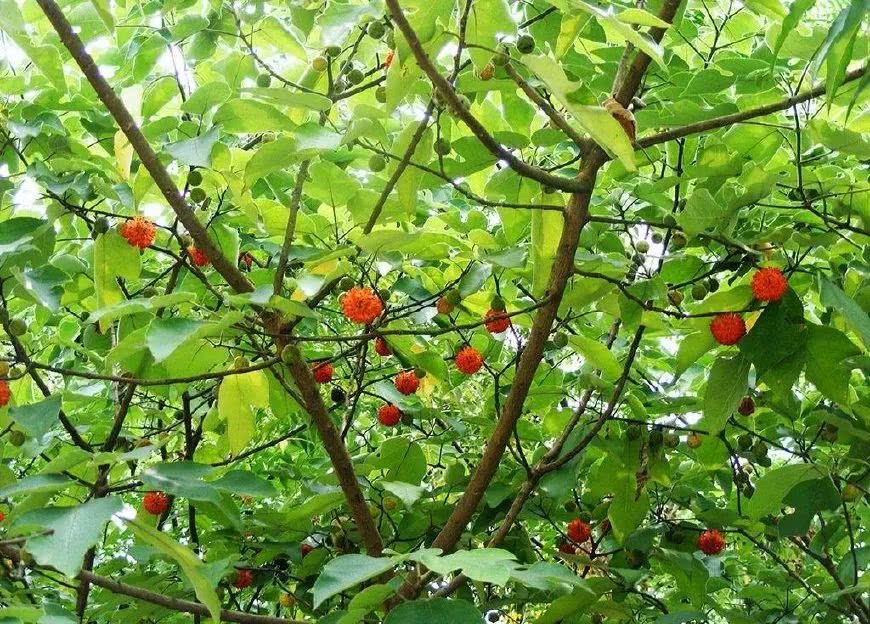
This wild fruit looks like a bayberry and was called "the fruit of the kidney" by the ancients, yet it rots on the tree and no one dares to eat it
Warm reminder: Hemu Report aims to share and popularize information about various plants and their uses, for reference only. If medicinal use is needed, it is recommended to consult a professional doctor to avoid problems! Children who grew up in rural areas have more or less eaten some wild fruits, relatively...
-
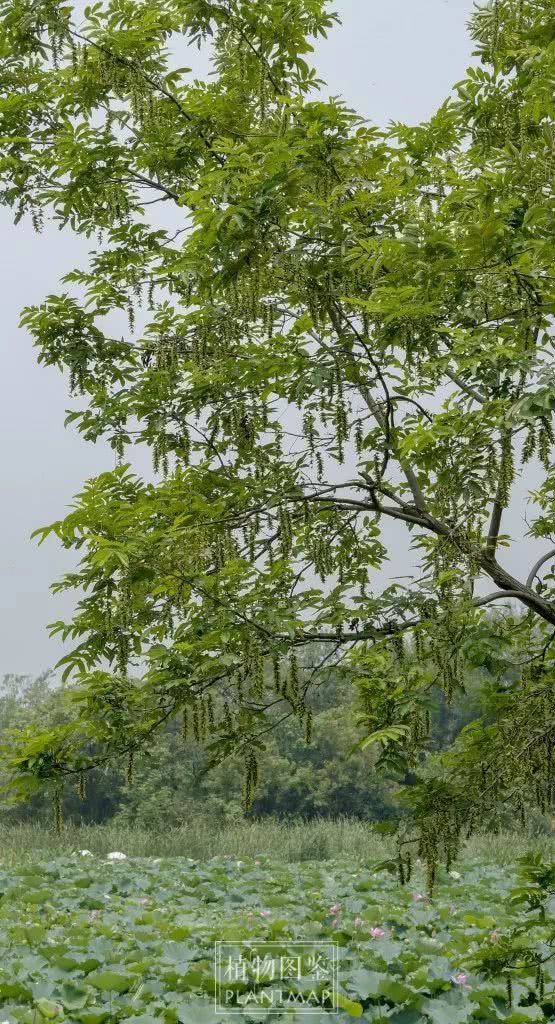
Childhood memories under the Chinese wingnut tree are still unforgettable
About the author: A submission from a student of Class 4, Grade 6, Hangzhou Xuejun Primary School. A tiny Chinese wingnut leaf spins down and falls into the soil. My primary school years are also gradually fading away; in a few more days, they will, like this Chinese wingnut leaf, be forever buried....
-
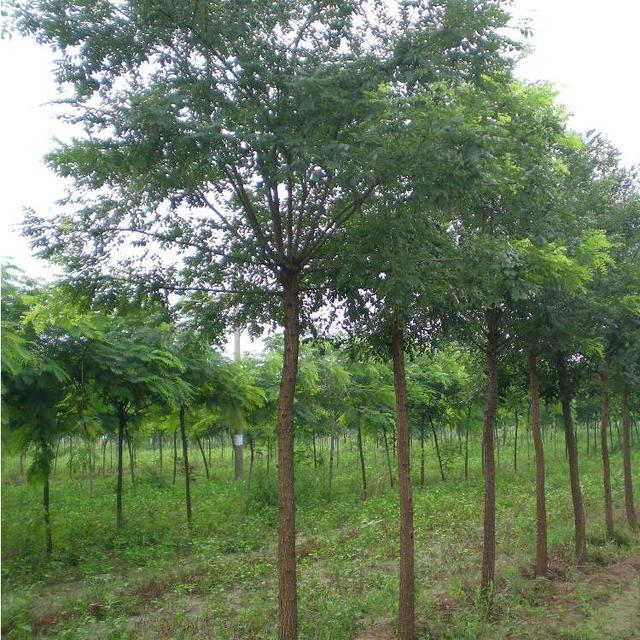
A Detailed Guide to Common Pests and Diseases of the Japanese Pagoda Tree and Their Control Techniques
Common Pests and Diseases of the Japanese Pagoda Tree and Their Control Techniques. The Japanese pagoda tree, also called the pagoda tree or Chinese scholar tree, is a tree of the genus Sophora in the Fabaceae family, native to China. It grows relatively fast and adapts strongly to various soil types. Its flowers can be seen from late summer to early autumn, and its flowering period is long. It is also an excellent...
-
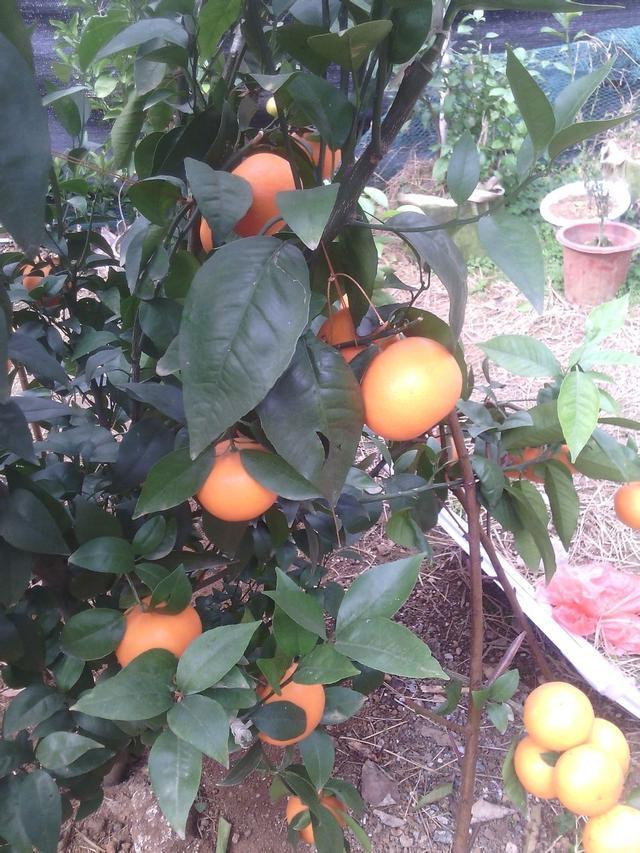
Key Technical Points and Application Methods of Fruit Tree Foliar Fertilization
Fruit Tree Foliar Fertilization Technology Foliar fertilization of fruit trees is an auxiliary and supplementary method to soil fertilization. It can promptly supply nutrient elements and plant growth regulators that fruit trees lack, and can rapidly promote or regulate the growth and development of fruit trees. It is a commonly used...
-
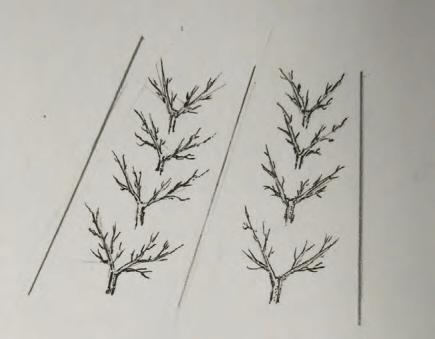
Training and pruning techniques for peach trees under wide-row, close-planting conditions
Training and pruning techniques for peach trees under wide-row, close-planting conditions. 1. Spacing between plants and rows in the peach orchard. Peach trees are medium-small in size, bear fruit early and are highly productive, but they age very easily. If the plant and row spacing is unsuitable and the training and pruning are unscientific, then in less than 10 years the orchard will...
-
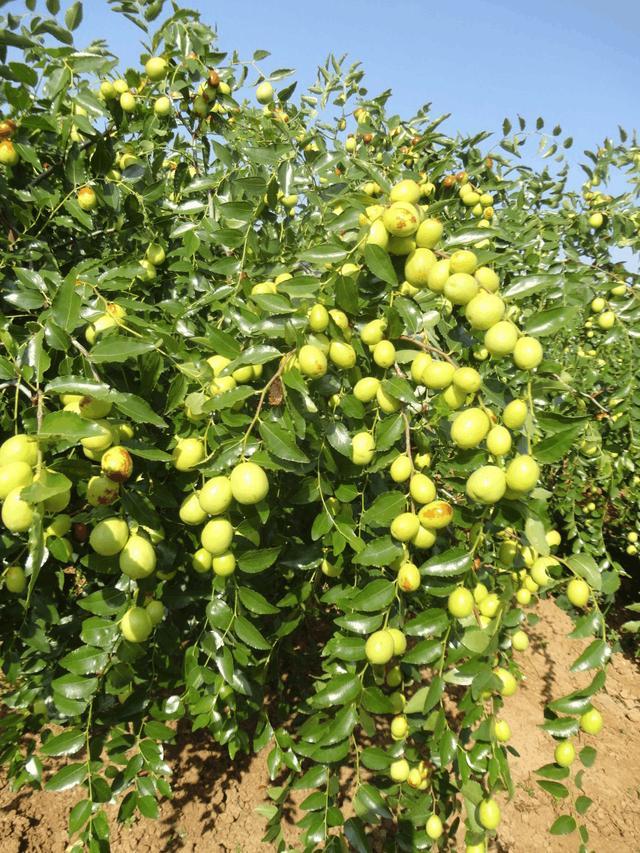
Analysis of the Ecological and Climatic Impacts on Jujube Trees During the Fruit Ripening Period
Funding project: Xinjiang Uygur Autonomous Region Meteorological Bureau Science and Technology Research General Project (MS201521). Aral City is located in the upper reaches of the Tarim River, along both banks of the Tarim River there are 10 large state-owned agricultural reclamation farms and units such as Tokay Township of Aksu City, Xinjiang, with a total area of 4,196 km2.
-
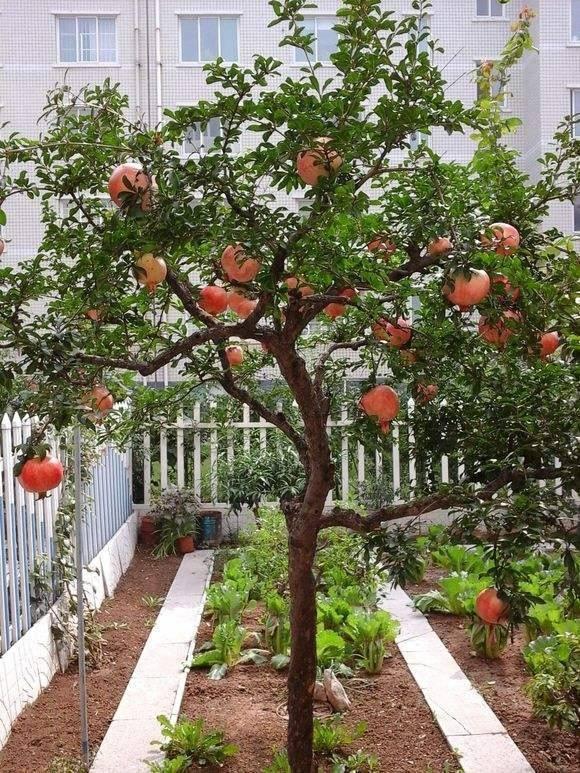
A Detailed Guide to Courtyard Fruit Tree Cultivation Techniques and Horticultural Value
Horticultural Value and Cultivation Techniques of Courtyard Fruit Trees 1 The horticultural value of courtyard fruit trees 1.1 Increasing economic income Economic benefit is the most direct manifestation of the value of courtyard fruit tree horticulture. Fruit produced by courtyard fruit trees has the characteristics of being healthy and pollution-free, its quality can be fully guaranteed, and it has relatively high commercial value; if sold, it can increase a certain amount of economic income. Surveys show that after developing courtyard fruit tree horticulture in the Puyang area of Henan Province, the economic income obtained by each household per year is generally between 300 and 400 yuan. As people's living standards continue to improve, many families regularly buy fruit, and developing courtyard fruit tree horticulture can achieve self-production and self-consumption, which over time can save a great deal of expense.
条件筛选