-
What are the effects and functions of the silk tree flower?
[What effects does the silk tree flower have] The effects of the silk tree flower
-
How to grow silk tree flowers? These methods you need to master
[Silk tree flowers] How to grow silk tree flowers
-
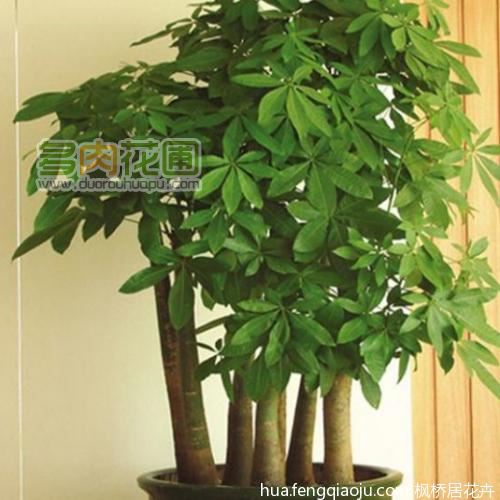
What are the key points for attention in cultivating and caring for the money tree
The money tree, also known as Malabar chestnut, Guava chestnut, etc., is an evergreen tree of the Bombacaceae family. It was first introduced to Taiwan, China as a fruit tree, but it turned out that "planting flowers with care yields no blooms." Yet "a careless willow shades all," and as a fruit tree it was not widely promoted, but as a potted ornamental it became very popular, and was soon exported to Japan and South Korea
-
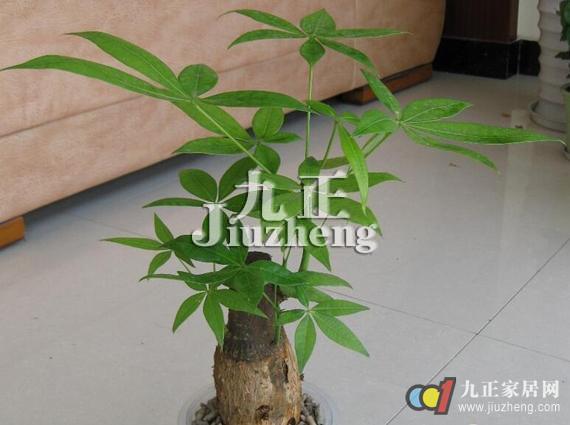
How to Propagate a Money Tree? A Detailed Guide to Common Propagation Methods
The money tree, also known as Malabar chestnut, is a tropical evergreen small tree of the Bombacaceae family, native to Mexico in Central America. It prefers warmth and was originally cultivated as a fruit tree, but since flowering and fruiting are unreliable, in China it is mainly grown as a landscaping and ornamental plant. It is a sun-loving plant and drought-tolerant. Its shade tolerance is also extremely strong, making it a good indoor ornamental plant. The plant has strong plasticity
-
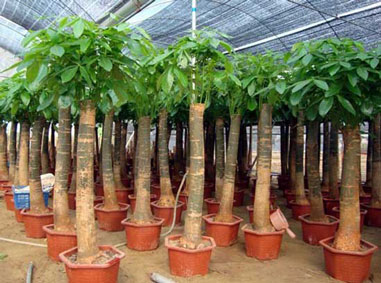
A Detailed Guide to the Propagation Methods and Cultivation Techniques of the Money Tree
The money tree is an indoor potted foliage and stem ornamental plant that became very popular in China in the 1990s, and it is also one of today's trendy foliage flowers. It is very suitable for cultivation as an ornamental decorative plant in offices, halls and other places. To propagate the money tree, either the cutting method or the sowing method can be used. Money trees propagated from seeds have a swollen stem base
-
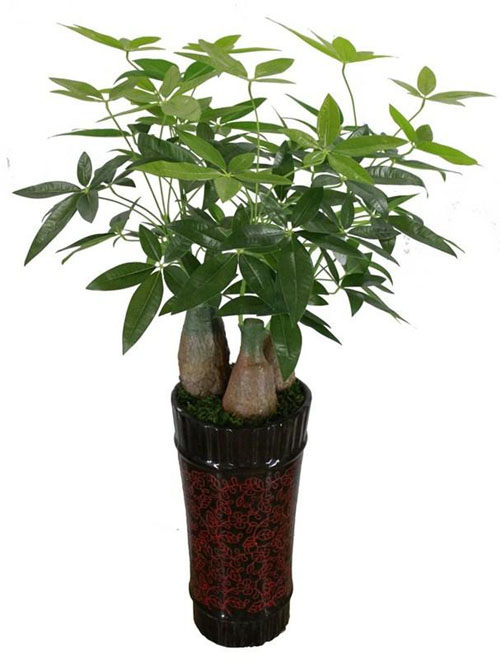
How to grow a potted money tree? A detailed guide to cultivation methods
The money tree (P. aquatica Aubl.), also transliterated as Malabar chestnut from its English name Malabar chestnut, belongs to the Malvaceae family as a perennial evergreen large tree, native to Mexico, Venezuela and other places, with an upright main trunk, whorled branches, and palmately compound leaves
-

How to Grow a Money Tree? A Detailed Guide to Proper Care
The money tree (Pachira aquatica) likes a growing environment with high temperatures, humidity and plenty of sunlight. Giving it a certain amount of light during the growing season can shorten the leaf nodes, thicken the swollen base of the trunk, and make the whole plant more compact and full. If it is kept in insufficient light for a long time, it will grow into a thin, tall shape. But it should not be kept indoors for a long time, and then moved outdoors into blazing sun. Otherwise it will cause leaf scorch.
-
Common Diseases of Money Tree and How to Prevent and Treat Yellowing Leaves
(1) Root (stem) rot ① Main symptoms: This is a common disease that seriously harms money trees, also known as decay disease, and is the most common disease of money trees. In mild cases, the leaves turn yellow; in severe cases, the entire plant dies. The disease mainly occurs on the main trunk of the money tree. In the early stage of the disease, the affected part shows small water-soaked brown spots
-
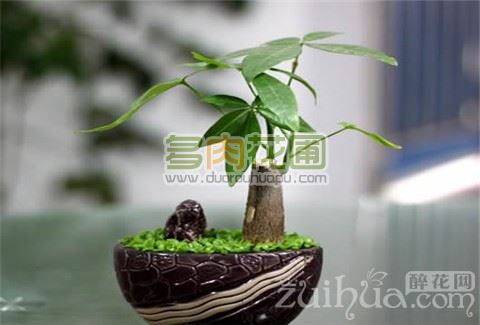
What are the tips for preventing and controlling pests and diseases on the money tree?
Common diseases of the money tree include root rot and leaf blight. Root rot usually starts from the roots or the root crown and spreads upward, with the phloem becoming soft and rot
-
Symptoms and Control Methods of Physiological Diseases in Money Tree
Diseases caused by improper management in money tree are called physiological diseases, mainly including cold injury and weak, spindly growth. Cold injury: the minimum overwintering temperature for money tree is 8°C; below 8°C, cold injury easily occurs. After being frozen, money tree tends to drop leaves, and in severe cases the whole plant dies. Branches grow weak and spindly
条件筛选