What are the effects and functions of the silk tree flower?
Although the silk tree flower symbolizes eternal love and pairing together. The silk tree flower is native to Australia, has a calming effect, and treats depression, insomnia, forgetfulness, eye diseases, and neurasthenia. Next, let us take a look at the effects and functions of silk tree flower tea and how to grow it.
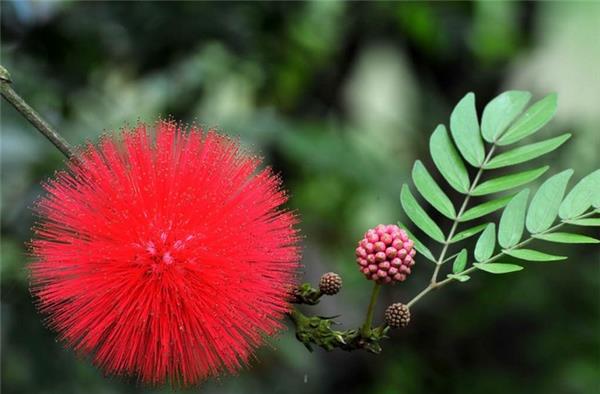
I. What effects does the silk tree flower have
The silk tree flower contains albizzin and tannins, relieves depression and calms the mind, nourishes yin and tonifies yang, regulates qi and stimulates the appetite, activates the meridians and relieves pain, and is used for depression and insomnia. It treats stagnant qi and chest tightness, insomnia, forgetfulness, and wind-fire eye disease, can calm the five viscera, harmonize the mind, and improve complexion, has fairly good effects in strengthening the body, sedation, calming the mind, and beauty care, and is also an excellent remedy for treating neurasthenia. It also has the effects of clearing heat and relieving summer heat, nourishing the complexion, removing spots, and sobering up from alcohol.
The heartwood of the silk tree flower tree is yellow-gray-brown, and the sapwood is yellow-white. The grain is rather distinctive and attractive, and the wood is solid and durable, mostly used for making furniture. In addition, the tender leaves of the silk tree flower are edible, the old leaves can be used for washing clothes, and the bark is generally used medicinally and has the effect of expelling worms. The silk tree flower tree has a graceful shape, and when it blooms the whole tree is splendid, with a refreshing delicate fragrance, making it an excellent ornamental courtyard tree species. It can now be seen in home courtyards, roadside green belts, and parks, and has a very good beautifying effect.
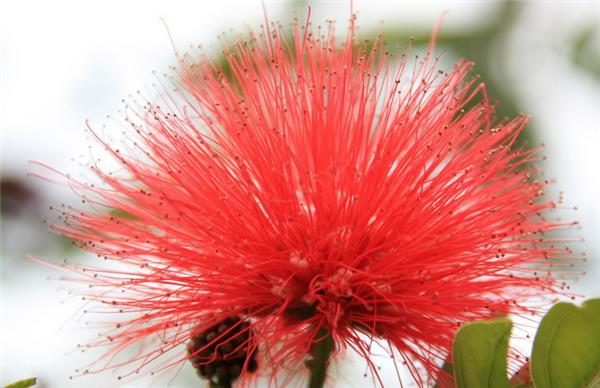
II. How to grow the silk tree flower
Soil: The silk tree flower has no strict soil requirements, but fertile, moist, well-drained sandy loam and limestone soil are best.
Sunlight: The silk tree flower is a light-loving tree species and is slightly shade-tolerant, so during the growing period attention should be paid to providing sufficient sunlight, but when summer light is too strong, attention should also be paid to shading.
Watering: The silk tree flower is drought-tolerant and not tolerant of waterlogging. During care, do not water too much, so as to avoid waterlogging and damage to the root system.
Temperature: The silk tree flower likes a warm environment, but its cold resistance is very strong. In southern regions, it does not need to be moved into a greenhouse in winter.
Fertilizing: The silk tree flower can be managed extensively, and its requirements for water and fertilizer are not very high. Even in poor areas it may grow very vigorously. But it should be noted that it does not like noise or dust, so when growing it, these points need to be strictly controlled.
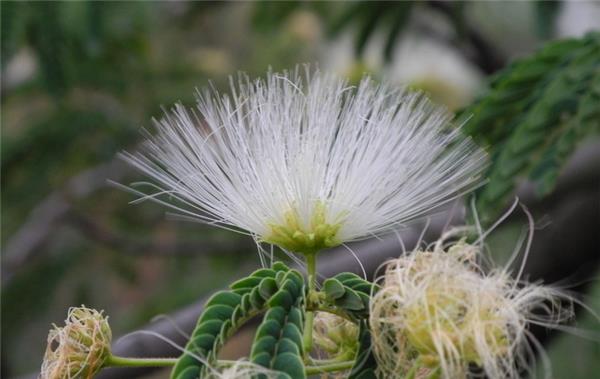
III. Side effects of the silk tree flower
As a traditional Chinese medicinal herb that we often learn about in life, experts say that the silk tree flower relieves depression and calms the mind, nourishes yin and tonifies yang, and can be used for symptoms such as restlessness of the mind and depression-related insomnia. From the perspective of clinical medical use, the silk tree flower is suitable for people with mild insomnia. If it is not effective, diazepam may be appropriately used for control, but it must not be taken for a long time. Long-term use of diazepam-type products causes relatively great harm to the body. If a patient develops drug dependence, the use of diazepam should be reduced as much as possible and traditional Chinese medicine treatment should be adopted. The above views must be followed after diagnosis of the condition and under the guidance of a doctor.
In addition, modern medical research has found that the silk tree flower contains albizzin, tannins, and saponins. Saponins have a hemolytic effect on red blood cells, are extremely toxic when injected intravenously, and have strengthening, stimulating, analgesic, worm-expelling, and diuretic effects when taken orally. They are irritating to mucous membranes, taste spicy and bitter, and when inhaled into the respiratory tract can cause coughing and sore throat, so a mask and other protection should be worn when grinding them into powder.
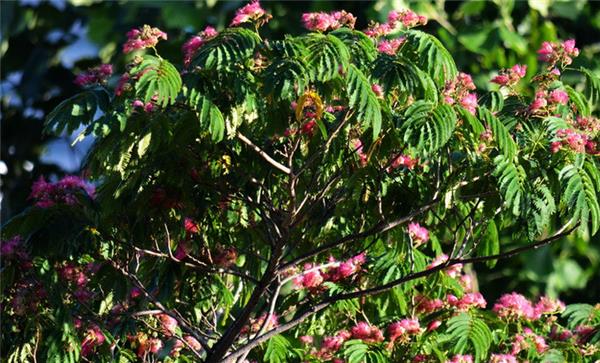
"Leaves like those of the sensitive plant, flowers like a brocade cluster; seeing them dispels worries, smelling them refreshes the heart and spleen." "At the branch tips of the night-closing tree there is a special spring; it sits holding wind and dew into the early morning. Let the bright moon shine as it will; it gathers all its fragrant heart and does not turn toward anyone." And so on. These are all the ancients' great praise of the silk tree flower; its beauty fascinates everyone.