-
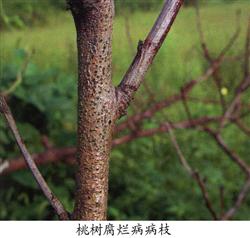
Efficient management techniques for peach trees to help achieve high yields
Peach tree rot, also known as dieback disease, causes branches to wither and die after the tree is affected, forming canker lesions on large branches and the trunk. If not treated in time, it quickly causes the entire tree to die. The main causes of this disease are: frost damage and extensive management; improper fertilization and years with abundant autumn rain, which delay the peach tree's dormancy and reduce the tree's cold resistance. It has...
-
What measures are there for supplementary pollination of peach trees
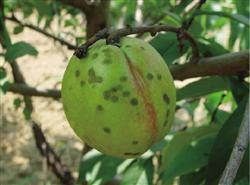
Peach scab, also known as black spot, is one of the common diseases of peach trees. When a peach tree is affected, black spots appear on the surface of the diseased fruit and cracking may even occur, seriously affecting its commercial value. 1. Symptoms of damage: It mainly damages the fruit, followed by the branches and leaves. When the fruit is affected, small brown round spots first appear, and then gradually...
-
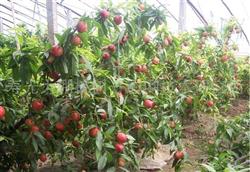
Peach Tree Pest and Disease Control Methods and Technical Key Points
1. Note that peach trees are chlorine-sensitive crops. Applying chlorine-containing fertilizer easily causes root rot and yellowing leaves; in mild cases the tree vigor weakens, and in severe cases the plant dies. Therefore, do not apply chlorine-containing fertilizers. 2. Be careful about watering during the flowering period. Watering during flowering can easily lower soil temperature and reduce soil air content, affecting root growth and absorption, leading to...
-
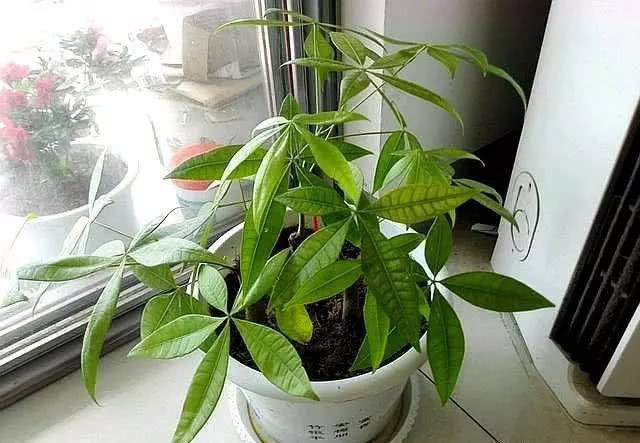
Yellow leaves on a money tree: use ferrous sulfate properly, misuse causes great harm
Can a money tree use ferrous sulfate? What should you pay attention to? First we need to know that the money tree is also a southern flower, and it also likes acidic soil. If grown in the south, the chance of it lacking ferrous sulfate is a bit smaller...
-
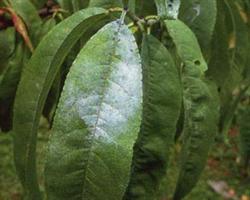
Peach Tree Powdery Mildew: Control Methods and Key Technical Points
Control methods for peach tree powdery mildew: 1. After leaf fall, remove diseased leaves to reduce the source of infection. 2. Spray fungicides for protection during the growing season: in the early stage of the disease, spray 0.2 to 0.3 degrees Baume lime sulfur mixture, or a 2000 to 3000 times dilution of 15% wettable powder triadimefon, or a 1500 to 2000 times dilution of thiophanate-methyl. 3. Improve ventilation and light penetration...
-
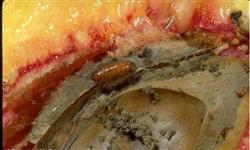
Spring Pest and Disease Control Methods for Protected Plum Trees
1. Mound soil at the base of the trunk. Before overwintering adults emerge from the soil (mid to late May), build a 10 cm thick mound of soil around the tree basin and tamp it down firmly so that emerging adults cannot come out of the soil. 2. Apply pesticide to the ground. Before overwintering adults emerge (after petal fall), spray the tree basin with 75% phoxim emulsifiable concentrate at 0.5 kg/mu, or 40...
-
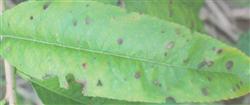
A Detailed Guide to Common Pests and Diseases of Plum Trees and Their Control Methods
After the first pinching of plum trees, pinch the new secondary shoots when they reach 20 cm, and pinch the developing branches when they reach 60-80 cm. If there are many branches, some can be thinned out; if the branches are not too dense, thin as little as possible and rely more on control. Before mid-July, clear all weeds from the orchard. 1. Bacterial shot hole disease, can use carbendazim...
-
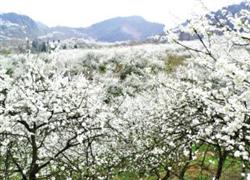
Detailed Explanation of Key Management Techniques for Plum Trees During the Flowering and Fruiting Period
Management of plums during the flowering and fruiting period: Plum trees flower easily and have a high fruit-setting rate, but the fruit is small. To improve fruit quality, in addition to strengthening soil and fertilizer management and adopting summer pruning to control vegetative growth, flower and fruit thinning management should be carried out. Thin flowers during the flower bud swelling stage (late March), leaving one flower cluster branch and removing the next; at 20 to 30 days after flowering...
-
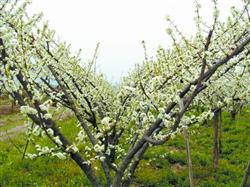
Two essential points you must know for pruning plum trees
1. Root characteristics The plum tree has a shallow root system, most of which consists of absorbing roots, mostly distributed within the 20-40 cm soil layer, and the spread of horizontal roots is usually 1.2 times larger than the canopy diameter. The specific distribution range depends greatly on the variety and environmental conditions; for example, in deep sandy soil, vertical roots can reach more than 6 m. ...
-
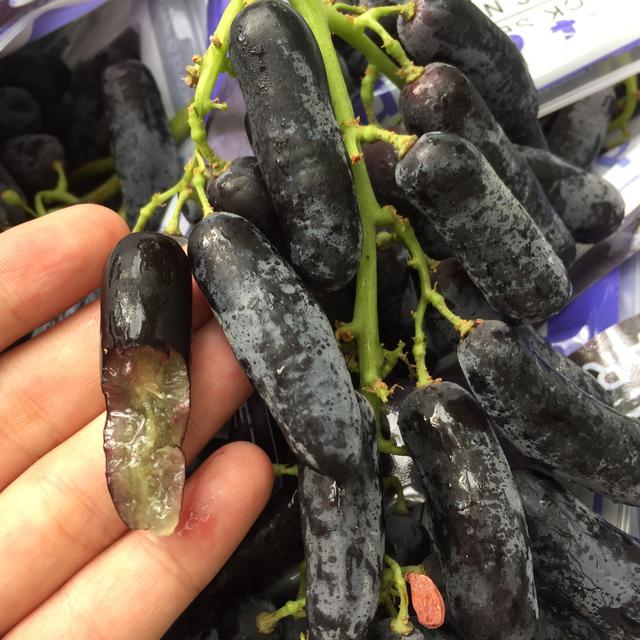
The most cold-hardy fruit tree: plant 2 at White Dew and they'll take root and grow, giving you more than you can eat next year
The "fruit tree" that fears cold the least: plant 2 at the White Dew solar term and they'll take root and grow, giving you so much fruit next year your mouth will cramp. Today I'm introducing a very unusual fruit tree: the "Blue Sapphire" grape vine. It can bear fruit for 100 days, and its nutritional value is...
条件筛选