-
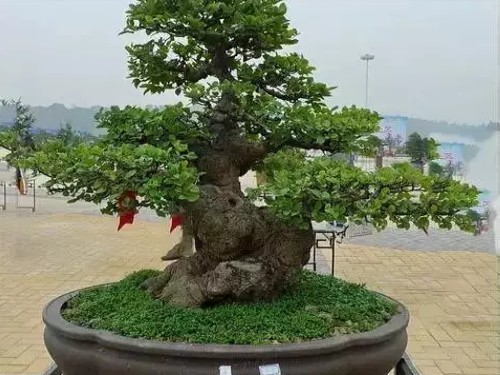
How to Water a Black Bone Tea Bonsai? A Full Guide to Practical Tips
I recently bought a few mature black bone tea (Dracaena cambodiana) stumps from Guangdong. According to the seller, I should water them every day, pouring water over the leaves and branches as well. At the time I did not think much about it, so I watered them every single day, and when I saw the leaves and trunks were dry I also misted them. The potting soil was acidic loess mixed with 3 parts sand, with some nutrient soil blended in. A week later, the leaves on two of them had lost their vigor.
-
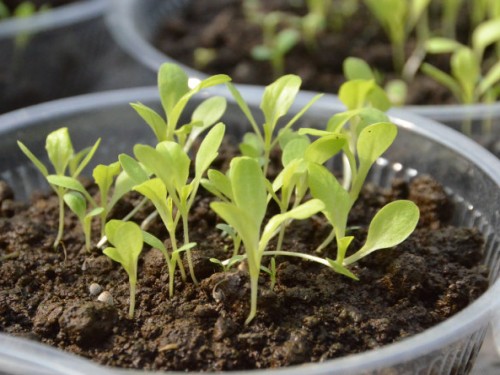
Snapdragon sowing method and management tips after germination
Snapdragon not only has a huge variety of flower colors, but also has an exceptionally long flowering period, making it a very good herbaceous plant. It is generally grown from seed, and the best sowing seasons are spring and autumn. The flowering period is generally from March to June. So that flower lovers can have a deeper understanding of snapdragon, we will start with sowing: snapdragon sown in spring needs about 100 days to bloom
-
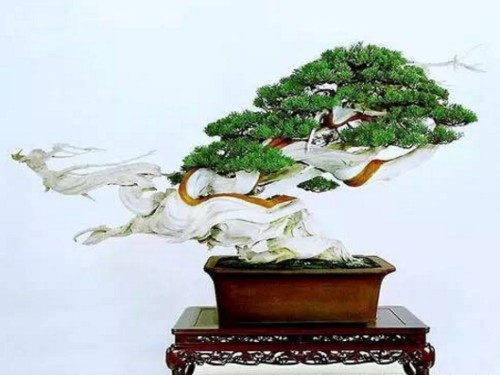
How to Grow a Cypress Bonsai Well? A Complete Guide to Practical Care Tips
Cypress, an evergreen tree, has long been used as a potted plant for indoor and courtyard ornamental display. Its unique leaf structure, in which leaves alternate in shedding and regrowth in a way that is hard to notice, gives it a sense of lasting evergreen vitality. Take the Chinese juniper (Juniperus chinensis), for example: its branches are dense and its leaves fine, its trunk form is twisted and curved, and its small branches rise upward to form dense clumps, giving it an elegantly antique and unusual posture.
-
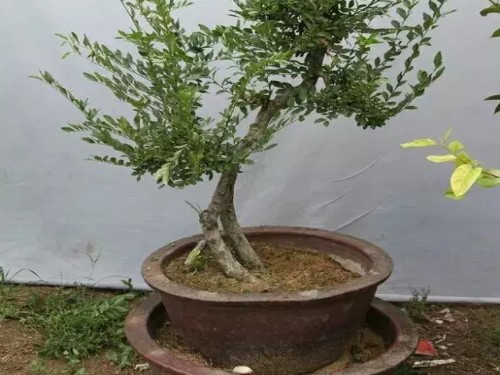
How to prune a Chinese elm bonsai? Detailed pruning tips and methods
The Chinese elm trunk is slightly curved, the bark is mottled and elegant, the small branches droop gracefully, and the leaves turn red in autumn. It is a good ornamental tree and a species for factory greening and roadside greening, often planted as a solitary specimen to form a landscape, suitable for planting beside ponds and near pavilions, and can also be placed among rocks, except that it has relatively many pests and diseases. It has strong sprouting ability and is a good material for making bonsai
-
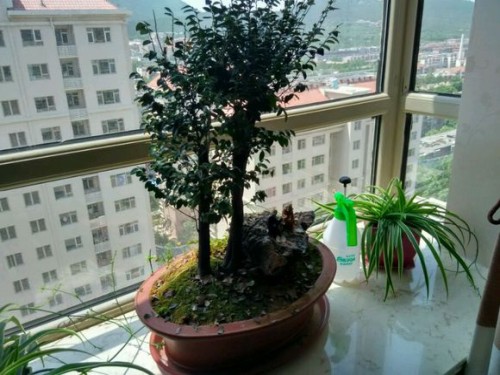
How to Shape a Podocarpus Bonsai? Practical Tips and Methods Explained
The Podocarpus bonsai has a lush, elegant, and vigorous tree form with an ancient, sturdy appearance. Its leaves stay fresh green in all four seasons, giving a sense of strength and noble purity. If attached to rocks and shaped into an eagle-claw-embracing-stone posture, it becomes even more antique and unique. A Podocarpus combined with bamboo and stones creates an extremely elegant landscape. A forest-style Podocarpus bonsai, paired with grazing scenery, can give people the enjoyment of rustic charm
-
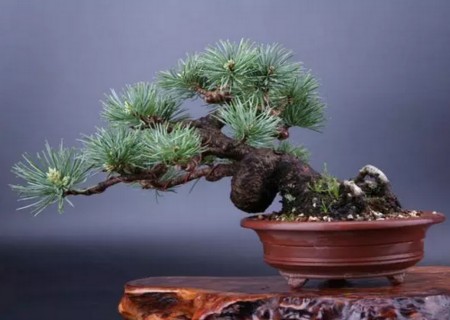
How to Fertilize Five-Needle Pine Bonsai? Detailed Methods and Tips
This tree species is one of the more precious among five-needle pines, generally used as bonsai material, rarely grown in the ground. Five-needle pine has low fertilizer requirements, and fertilization should not be excessive or too concentrated. Too much fertilizer will cause leggy shoot growth and longer needles, detracting from its ornamental value. Five-needle pine is relatively cold-tolerant and shade-tolerant, preferring well-drained, slightly acidic soil
-
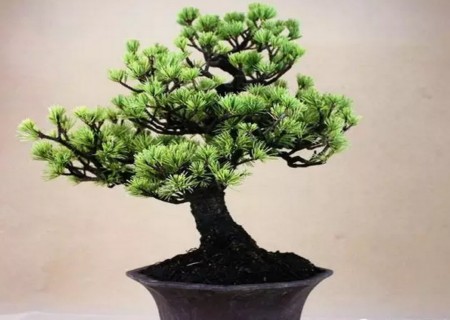
How should you water a five-needle pine bonsai? Practical watering tips shared
The five-needle pine has an upright posture and is a tree species with high ornamental value. It is suitable both for decorating gardens and as an important species for potted plants or bonsai. In bonsai making, the tree's posture must be maintained well and the growth of branches and leaves controlled, so as to achieve a shape with short, dense and vigorous branches and leaves. Today the editor will introduce the watering techniques for five-needle pine bonsai.
-
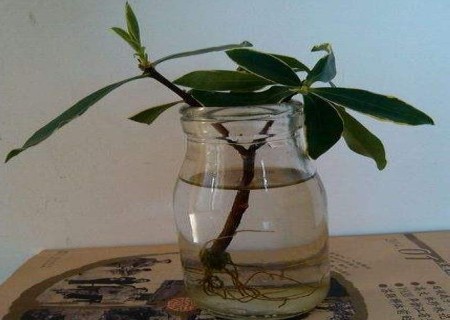
How to Root Daphne Cuttings in Water? Practical Tips Shared
Daphne is vibrant all year round, with lush branches and leaves, and when it blooms it is even more fragrant and delightful. If grown as a potted plant at home, it gives a feeling of spring everywhere, and it is a precious potted flowering plant. Daphne is mainly propagated by cuttings to obtain young plants, and cuttings are also divided into soil cuttings and water cuttings.
-
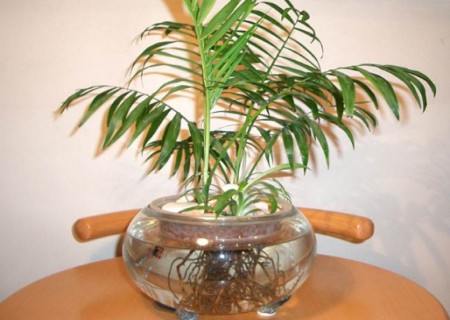
Detailed Guide to Hydroponic Methods and Care Tips for the Parlor Palm
Because of its attractive plant shape and ease of management, the parlor palm is often chosen by people as one of the top green plants for small and medium-sized indoor foliage potted plants. The parlor palm also has the effect of purifying harmful substances in the air such as benzene, trichloroethylene, and formaldehyde, and is called the "efficient air purifier" of the plant world, making it very suitable for growing indoors.
-
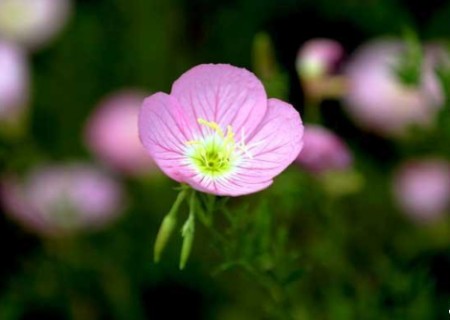
Methods and Tips for Propagating Evening Primrose by Cuttings
1. Cutting the cuttings. When carrying out routine care and management of mature potted evening primrose plants, in order to make the plant sprout more side branches and bloom more, we need to pinch the plant in time, and the healthy branches removed by pinching can be used as cuttings to cultivate more young plants.
条件筛选