Detailed Guide to Hydroponic Methods and Care Tips for the Parlor Palm
Because of its attractive plant shape and ease of management, the parlor palm is often chosen by people as one of the top green plants for small and medium-sized indoor foliage potted plants. The parlor palm also has the effect of purifying harmful substances in the air such as benzene, trichloroethylene, and formaldehyde, and is called the "efficient air purifier" of the plant world, making it very suitable for growing indoors, especially in newly renovated houses.
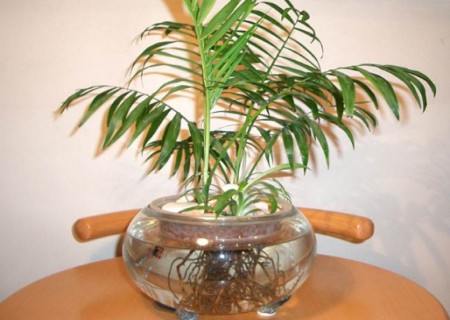
However, more importantly, the parlor palm can not only be grown in soil, but according to the different preferences of plant enthusiasts it can also be grown hydroponically. Below, the editor will introduce the hydroponic method for the parlor palm.
1. Source of hydroponic plants
Parlor palms used for hydroponics can be obtained from soil cultivation, usually by using the potted root-washing method to convert soil cultivation to hydroponics. As the name suggests, this means taking the plant out of the soil cultivation pot, washing its root system clean, and then growing it hydroponically.
2. Preparation of nutrient solution
To grow parlor palms hydroponically, a nutrient solution that promotes healthy plant growth is naturally indispensable. Because hydroponic cultivation of the parlor palm is soilless cultivation, it is a cultivation method that uses an inorganic fertilizer solution as the nutrient solution. On the one hand, the nutrient solution can be purchased from flower markets; on the other hand, it can also be made at home.
3. Prepare the hydroponic container
Hydroponics requires a suitable container. Most hydroponic plants can use glass containers, and the parlor palm naturally can too. However, since the parlor palm is a foliage plant, when choosing a container it is recommended to use a heavy glass container, because this can prevent the plant from tipping over due to being top-heavy when it grows lush and leafy.
4. Hydroponic method/process
During hydroponics, first place the plant with washed roots into the container, then place a filter cover of suitable size and depth into the container, then fill the filter cover with expanded clay pebbles, leaving a distance of about 3-5 cm from the container mouth, then pour the previously purchased or homemade diluted nutrient solution into the container until the root system is completely submerged. Finally, place the glass container in a semi-shaded place for care and management, while avoiding direct light.
5. Care and management measures
It is recommended to keep watering 2-3 times a day in summer when the temperature is high, and control watering well in winter; wash the expanded clay pebbles about once every 2 months to prevent harmful substances from harming the plant; frequently test the pH value of the nutrient solution, because excessive alkalinity in the nutrient solution can cause yellow leaves; when the water level in the container drops, replenish water promptly to the appropriate depth.