What are the care tips for hoya? Read this one article to understand
1. Hoya likes to stay put and dislikes being moved; once it is repotted and planted properly, do not keep changing it around; and do not keep moving its placement location either.
2. Hoya has temperature requirements, yet it should avoid air-conditioned rooms; what it needs to be exposed to is natural temperature.
3. Except in cold weather, it should be given more ventilation to avoid pests and diseases. If insects are found, the simplest method is to rinse them off clean with water.
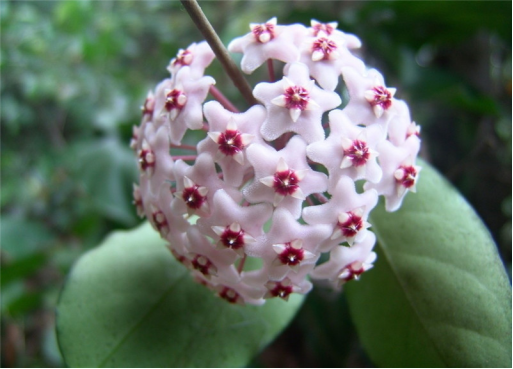
Once you have mastered the cultivation methods and care tips for hoya, growing stunning hoya plants will be no problem at all. Besides being ornamental and pleasing to the eye, what else is a well-grown hoya good for?
Hoya care tips
For potted hoya, in spring and autumn it is best placed outdoors on a south-facing windowsill or indoors near a south window for growing, which can keep the leaves emerald green and glossy and the flowering good. In summer it needs to be moved to a shaded spot to prevent direct strong light, otherwise the leaf color easily turns yellow. If it is kept in a place with insufficient light for a long time, the leaf color becomes pale and the flowers are few and not vivid.
During the hoya growing season, besides watering according to the "water when dry, withhold when wet" principle, you also need to frequently spray water on the leaf surface. In summer, watering should be sufficient, and at the same time attention should be paid to increasing air humidity to facilitate robust growth. In the peak growing season, apply a dilute thin cake fertilizer water combining nitrogen and phosphorus once or twice a month.
Suitable temperature: Hoya is not cold-tolerant; the suitable growing temperature is 15°C-25°C. In winter, the room temperature should be kept above 10°C. If it is below 5°C, it is prone to cold damage, causing leaf drop, or even the death of the whole plant.
For flower pots, tall-footed pots should be chosen. Young plants should be repotted once every spring, and mature plants can be repotted once every 1-2 years. For plants that already have flower buds or are in bloom, the pot must not be moved at will, otherwise it easily causes bud and flower drop.
Young plants should be pinched early to encourage branching, and support frames should be set up in time so they can climb and grow upward. When repotting, part of the old roots should be cut off. After the flowers fade, let them wither and fall naturally; do not cut off the flower stems, because most of the flower buds for the second year will still sprout at the same place. If they are cut off, it will affect the number of flowers the next year. This is precisely one of the main reasons many flower enthusiasts find their hoya does not bloom or blooms very little. (Reposted from the blog of Shiyuan Mall)
Hoya cultivation tips
The appearance of hoya is very special; it is a climbing plant, often growing epiphytically on tree trunks and stone walls. Hoya can bloom in an environment with only 3-4 hours of sufficient sunlight each day. If the light is insufficient, hoya can only be grown in pots for foliage. So what issues need attention during hoya cultivation?
Hoya
1. Soil:For hoya cultivation, the soil should preferably be humus loam, with good drainage required.
2. Watering:Hoya is a succulent plant, and its leaves contain relatively much water. During the growing season, watering should follow the "water when dry, withhold when wet" principle. Too much watering easily causes root rot, but in summer watering should be sufficient. Because it likes moisture, attention should be paid to frequently spraying water on the leaf surface to increase air humidity.
3. Sunlight:When grown at home, in spring and autumn hoya is best placed on a south-facing windowsill or indoors near a south window in a light-exposed spot, which can keep the leaves emerald green and glossy and the flowering good. But in summer it must be moved to a shaded spot to prevent direct strong light, otherwise the leaf color easily turns yellow. If it is kept in a place with insufficient light for a long time, the leaf color becomes pale and the flowers are few and not vivid.
4. Temperature:Hoya is not cold-tolerant; the suitable growing temperature is 15°C-25°C. In winter, the room temperature should be kept above 10°C. If it is below 5°C, it is prone to cold damage, causing leaf drop, or even the death of the whole plant.
5. Fertilizing:Hoya fertilizing is mainly based on organic fertilizer or compound fertilizer; in the peak growing season, apply a dilute thin cake fertilizer water combining nitrogen and phosphorus 1-2 times a month. At other times, because growth is slow, fertilizing should be stopped to avoid wasting fertilizer or causing fertilizer damage.
6. Pruning:Young hoya plants should be pinched early to encourage new branches to sprout, and support frames should be set up in time so they can climb and grow upward. After the flowers fade, let them wither and fall naturally; do not cut off the flower stems, because most of the flower buds for the second year will still sprout at the same place. If you do not understand this habit and cut them off, it will affect the number of flowers the next year.
7. Pests:Hoya commonly suffers from anthracnose, bad spot disease, and leaf spot disease, which can be prevented and controlled by spraying 50% carbendazim wettable powder at 600 times dilution or 70% mancozeb wettable powder at 400-6w times dilution. It is also harmed by scale insects and mealybugs, which can be killed by spraying 40% omethoate emulsion at 800-100 times dilution or 80% dichlorvos emulsion at IOC times dilution.
The hoya flower shape is rather unique and has great ornamental value. Using it to decorate the home also makes it relatively easy to create a fresh and natural sense of comfort. The hoya cultivation methods have been compiled for everyone here by the editor. I believe everyone now has a certain understanding of hoya care and can grow fairly good-looking potted hoya.