-
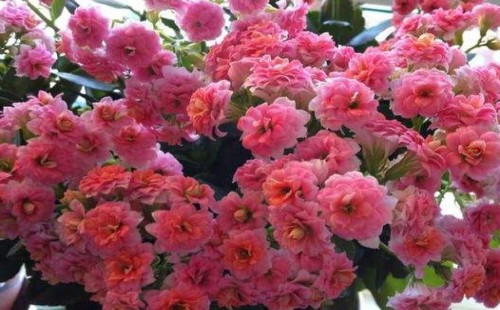
How do you care for a Kalanchoe so it bursts with blooms? These care tips you need to master
Kalanchoe (Kalanchoe blossfeldiana) not only blooms beautifully and is suited to pot culture for its flowers, its leaves are also very attractive, so it works well as a foliage plant too. What's more, the kalanchoe's flowering period is relatively long, often lasting from December of the previous year to April of the following year. Compared with many flowering plants, a 4-month flowering period may not count as ultra-long
-

Key points of green bean seedling raising techniques: master these and the seedlings will emerge evenly and grow strong
Green bean seedling raising techniques
-
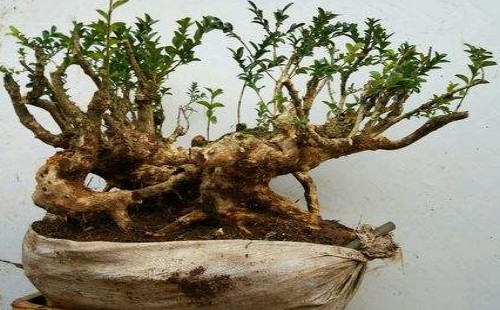
How do you grow the roots of a boxwood bonsai thick? Master these care methods
Boxwood bonsai has features such as a graceful, dancing tree posture, deep emerald leaf color, and ancient, gnarled, twisting roots, so its ornamental value is quite high, and it is deeply favored by the vast number of bonsai enthusiasts. Moreover, the boxwood tree has a well-developed root system. When creating a bonsai, in addition to the most commonly used method of cutting branches to build up the trunk, you can also raise the roots and expose the roots
-
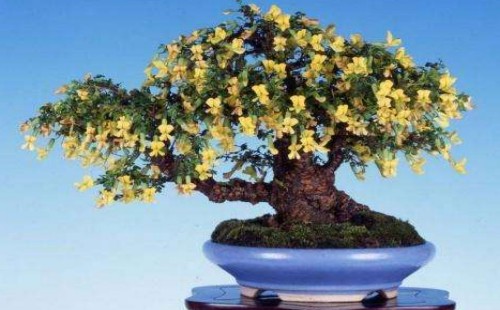
How to grow Caragana so it blooms? Master these care points
Caragana gets its name because its flowers look like golden flying birds, and as a bonsai it has extremely high ornamental value. Its greatest ornamental period is during its blooming season, but the blooming season of Caragana is relatively long, usually lasting from April in spring all the way to November in autumn. As a flowering bonsai, May to June is usually the best period for viewing the flowers
-
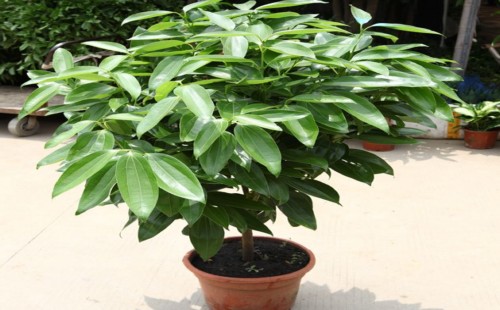
How do you keep the leaves of the Peace Tree green? These care methods you need to know
Just as its name suggests, the Peace Tree (Cinnamomum kotoense) is a tree species with an auspicious meaning. Because its branches and leaves stay evergreen all year round, it has high ornamental value and is also very practical, so it is quite suitable for growing as an indoor foliage potted plant. Since the Peace Tree is suitable for indoor foliage display, its ornamental value must be expressed through its green leaves
-
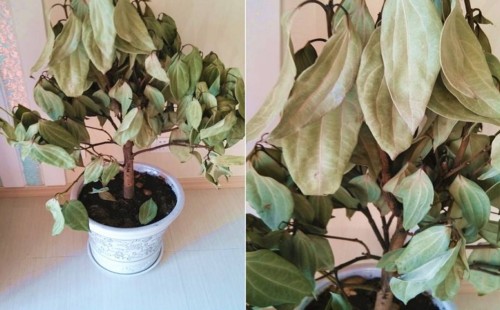
How to tell if a peace lily has root rot? These symptoms will tell you
Potted peace lilies keep their leaves and branches evergreen and look great for greening and beautifying, making them very practical as a household potted plant. But if the potted plant develops root rot, the plant's growth will inevitably be affected to varying degrees. Because the plant generally absorbs nutrients through its root system, once the roots rot, nutrients cannot be smoothly transported to the tree body
-
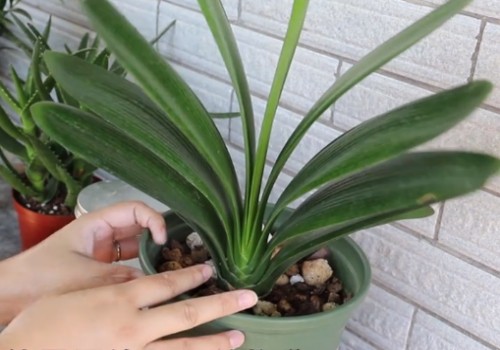
How to care for Clivia in autumn? Mastering these methods is key
1. Scientific topdressing. If you buried base fertilizer when potting the Clivia, there is generally no need to topdress it in the early stage after potting; otherwise, after potting is completed and the plant has settled in, it needs to be topdressed in time. And after repotting, you can use organic nutrient solution to topdress it to strengthen the roots
-
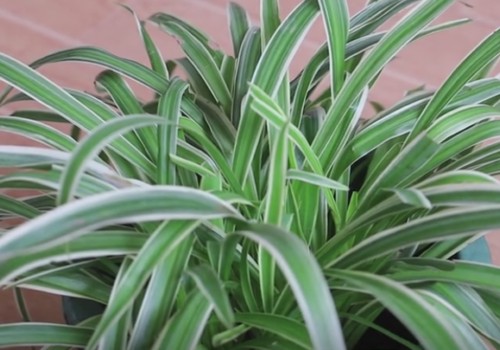
How do you grow spider plants so they send out more runners? Doing these few things well is key
As a top pick among potted green plants, the spider plant is famous for being very easy to keep alive. It is also very suitable as an indoor foliage plant, and it can grow many little spider plants, which is very endearing. But quite a few flower lovers say that their potted spider plants send out runners rather slowly, and for a long time they do not grow little spider plants. So
-
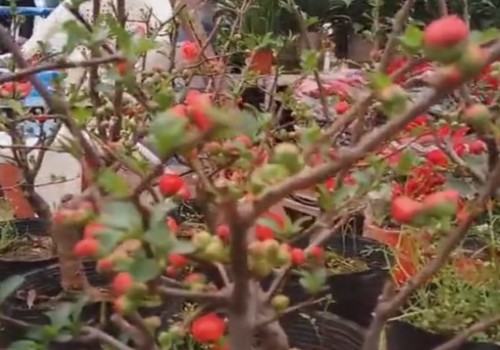
Autumn Care Tips for Crabapple Bonsai: Master These Key Points
Autumn has now arrived. When the weather turns cold, we should promptly move the crabapple indoors for care, and the minimum temperature should be kept above 7C, because crabapple has poor cold tolerance and is easily frostbitten in winter. Apart from this, what else do we need to do in autumn for the care and management of crabapple bonsai?
-
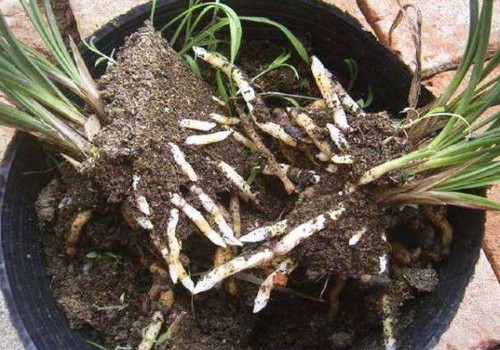
How to prevent root rot in orchids? Doing these few things well is key
Orchid stems and leaves are slender yet strong, and because they can stay evergreen through all four seasons, they are extremely beautiful and therefore highly favored by people. Although orchid roots usually grow rather thick and plump, they are, after all, fleshy roots, so they are relatively prone to rotting or being attacked by pests and diseases. Today
条件筛选