Key points of green bean seedling raising techniques: master these and the seedlings will emerge evenly and grow strong
Green beans are a common vegetable in our daily lives and are grown all across the country. Anyone who has grown them probably knows that for high yield and high quality in green beans, raising seedlings is extremely important. So how should green beans be raised as seedlings? Let's find out together.
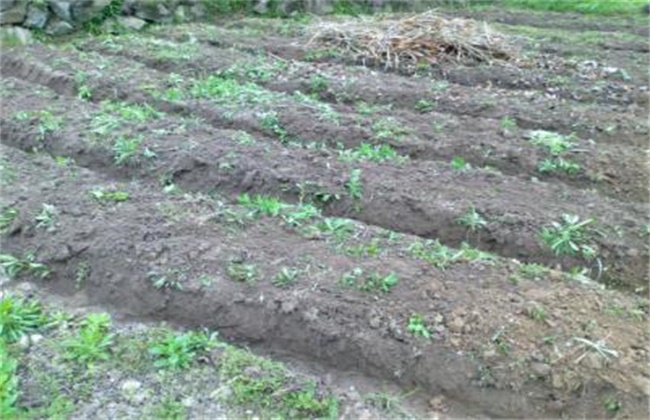
1. Seedling soil
Green beans have weak regenerative ability, so nutrient pots are generally used for raising seedlings, which can, to a certain extent, improve the survival rate after transplanting and reduce the degree of root damage. For the nutrient soil used for raising seedlings, soil with high organic matter content should be chosen, and the application rate of quick-acting nitrogen fertilizer should be strictly controlled. It is best to use fertile field soil rather than vegetable garden soil, so as to avoid the soil carrying diseases and pests that cause harm. The organic fertilizer in the nutrient soil must be fully decomposed to eliminate pathogens and insect eggs in the soil. High-quality biological organic fertilizer can also be used for raising seedlings, with soil and fertilizer in a half-and-half ratio; no other fertilizer needs to be added.
2. Sowing
If raising seedlings in nutrient pots, sowing should be carried out on a sunny morning. Before sowing, first water thoroughly once, and after the water has seeped down, sow by dibbling. Generally, sow 2-4 seeds in each nutrient pot, cover with 2-3 cm of soil after sowing, and then move the seedling tray into a greenhouse or plastic tunnel for warm seedling raising. If the temperature is low, cover with straw mats at night to keep warm. Generally, sow 2-4 kg per mu.
3. Temperature management
From sowing to emergence of green beans, the temperature should be kept between 25-35 degrees, and must not be lower than 15 degrees at night. After the seedlings emerge, the daytime temperature can be appropriately lowered and kept at 20-25 degrees. After 20-30 days, when the seedlings have grown 3-4 true leaves, they can be transplanted and planted. 3-5 days before planting, the daytime temperature can be lowered to about 15 degrees, and kept above 10 degrees at night, to harden the seedlings, improve their adaptability, and ensure the survival rate after transplanting.
4. Water management
During the green bean seedling stage, if the soil is not particularly dry, you can choose not to water. If the climate is dry, you can spray a little water, or scatter fine moist soil between the plants to preserve moisture. When watering, never use flood irrigation, so as to avoid excessively low water temperature lowering the soil temperature, causing root diseases in the seedlings and harming their growth and development.
The above is an introduction to green bean seedling raising techniques. We hope it helps you. To learn more related knowledge, please stay tuned to us.