-
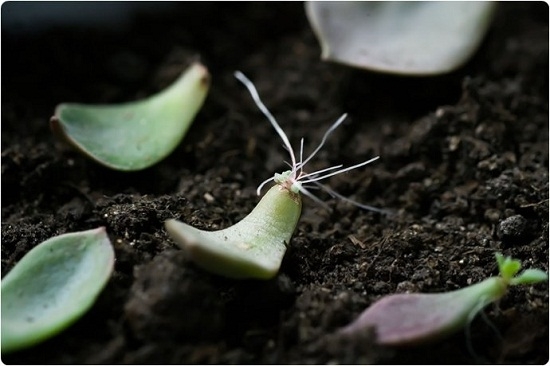
Succulent leaf cuttings really aren't that simple; you need to master these practical tips
Leaf cuttings are a fairly popular way to propagate succulents. Leaf cuttings are not only convenient but also have the advantage of fast propagation. However, leaf cuttings aren't just about pulling off two leaves and tossing them aside; there are some leaf-cutting techniques we need to pay attention to.
-
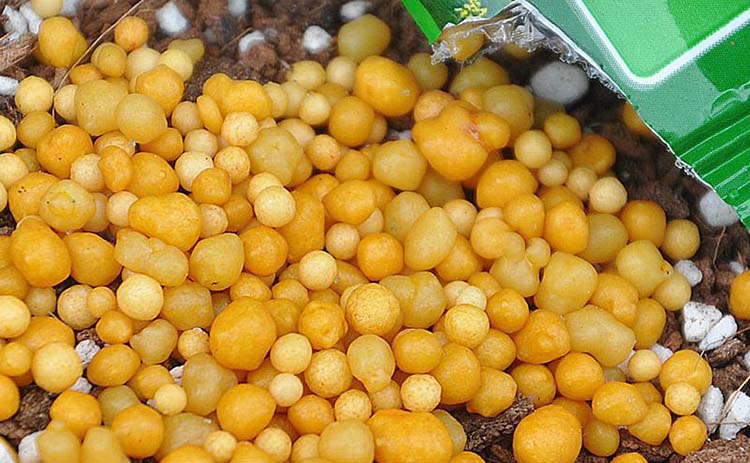
What are the fertilizing methods for potted plants? These three are the most common
To make potted flowers display higher ornamental value, we need to fertilize them in a timely manner. Generally speaking, there are three common fertilizing methods for potted flowers.
-
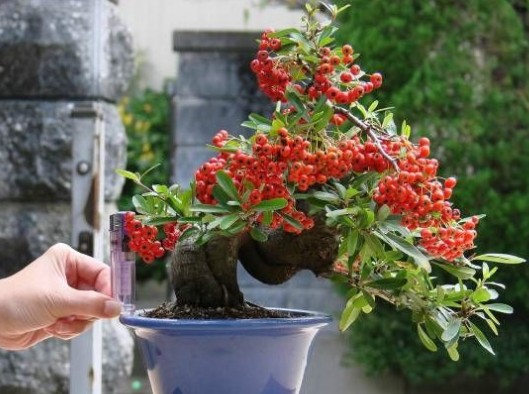
How to water a pyracantha bonsai? These tips you need to master
Pyracantha, also known as firestick fruit, life-saving grain, army-saving grain, and Qinling crabapple, belongs to the Rosaceae family as an evergreen shrub and is a common tree species in the subtropics. Leaves are obovate, bright green, in compound corymbs, flowers white; pome round, ripe fruit bright red, not withering after frost, red fruits hanging on the branches until they fall in the following spring, and it is a newly developed bonsai tree species in recent years
-
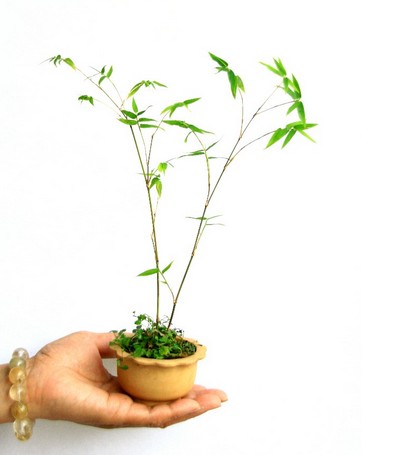
How to prune a bamboo fern bonsai? These tips you need to master
The bamboo fern (Bambusa multiplex) has a beautiful clump form, with slender branches that curve and droop like phoenix tail feathers, giving it extremely high ornamental value. It is an excellent landscaping material in the south, often planted in clumps at building corners, road bends, or beside pergolas. It tolerates pruning and can also be planted as a hedge. Pruning a bamboo fern bonsai is relatively simple
-
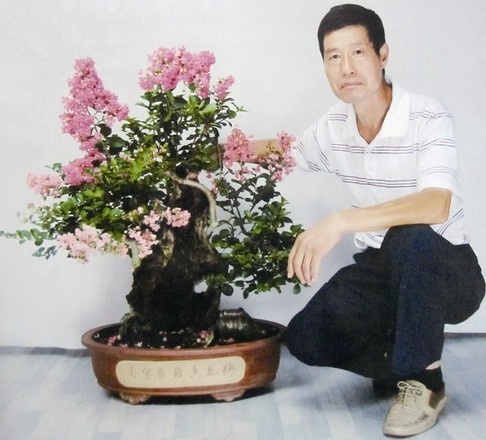
How to fertilize a crape myrtle bonsai? These tips you need to master
After autumn, the crape myrtle should be given a somewhat stronger organic fertilizer as a base fertilizer, but in general, crape myrtle trunks should not be given heavy fertilizer, to prevent the branches from growing excessively. When fertilizing crape myrtle, attention should be paid to the combined application of nitrogen and phosphorus fertilizers. During the growing season, apply a decomposed fertilizer once every half month. After each pruning, apply a nitrogen-based fertilizer.
-
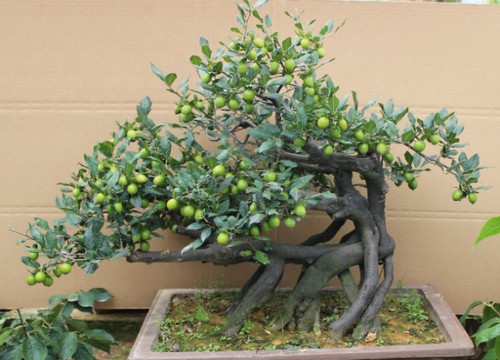
How to fertilize a golden bullet tree (Diospyros cathayensis) bonsai? These techniques you need to master
The golden bullet tree has hard wood. When the bark of a vigorously growing trunk is damaged and the wood is exposed to sunlight and air, the surface layer can blacken, harden, carbonize and not rot. This phenomenon is rarely seen in other tree species, and this property of the golden bullet tree can be used when carving and shaping the trunk. The golden bullet tree tolerates poor soil; with sufficient fertilizer, the leaves are thick, dark green and glossy.
-
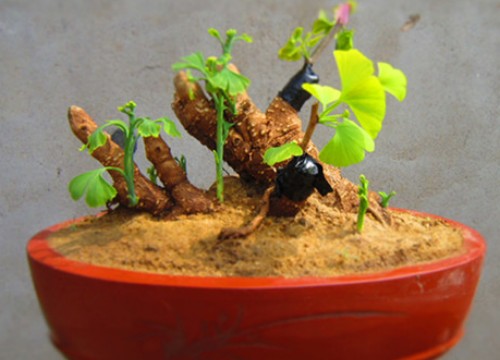
How to fertilize a ginkgo bonsai? Master these techniques for stronger growth
Ginkgo is a tree species with a very long history, and since ancient times in our country it has been regarded as an excellent choice of material for bonsai. Ginkgo bonsai can be divided into three types: foliage-appreciation, fruit-appreciation and trunk-appreciation. To make a ginkgo bonsai, choose root-sucker seedlings from beneath large ginkgo trees and stalactite branches of ginkgo trees
-
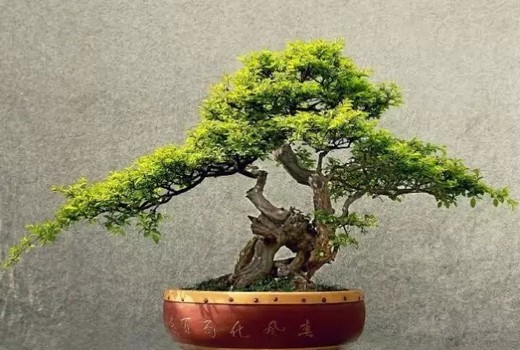
How to fertilize a Chinese elm (Sageretia thea) bonsai? Keep these principles in mind
Sageretia thea is one of the seven sages of bonsai and is very popular among bonsai enthusiasts. To grow a Sageretia thea bonsai well, you mainly need to pay attention to five aspects: water, fertilizing, potting soil, pruning and pest and disease control, among which fertilizing is a very key aspect. Fertilizing a Sageretia thea bonsai must be done with care: too much fertilizer causes excessive leggy growth of branches and leaves, while a lack of fertilizer makes the branches thin and weak
-
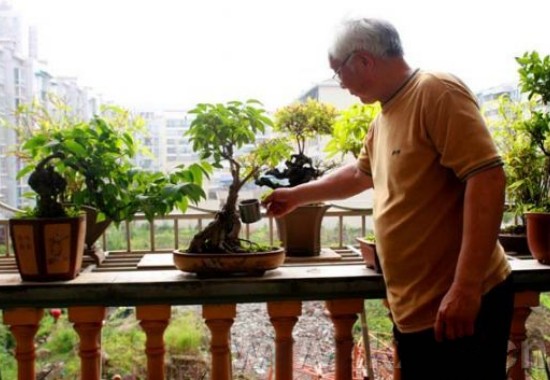
How to fertilize stump bonsai? Master these fertilizing techniques
The soil in the pot of a stump bonsai is limited, and therefore so are the nutrients, so attention should be paid to replenishing fertilizer. Because of its artistic quality of showing the large within the small, a stump bonsai must not be fertilized too much or too frequently; you need to grasp the fertilizer concentration and types, and get the fertilizing season right. The three key elements of plant growth nutrients are nitrogen, phosphorus and potassium fertilizers
-
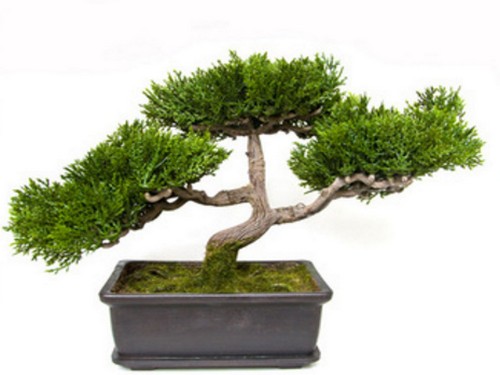
How to fertilize stump bonsai scientifically? These methods you need to master
The fertilization method for stump bonsai is very important. If too much fertilizer is applied, the branches and leaves grow excessively; if fertilizer is lacking, the branches become thin and weak, the leaves turn yellow, and the plant is prone to pests and diseases. So here are three scientific fertilization methods: First, according to quantity. The amount of fertilizer for stump bonsai should follow the principle of small amounts applied frequently
条件筛选