-

7 Reasons for Yellowing Cyclamen Leaves, Fertilizer, Water and Light Are the Main Factors and Care Needs to Be Strengthened
As a highly ornamental flower, many people choose to grow cyclamen at home. However, indoors is not the same as outdoors, and there are many things to pay attention to. With the slightest negligence, cyclamen will get sick, and symptoms such as yellowing leaves will appear. So what should you do when cyclamen leaves turn yellow? It is actually very simple
-
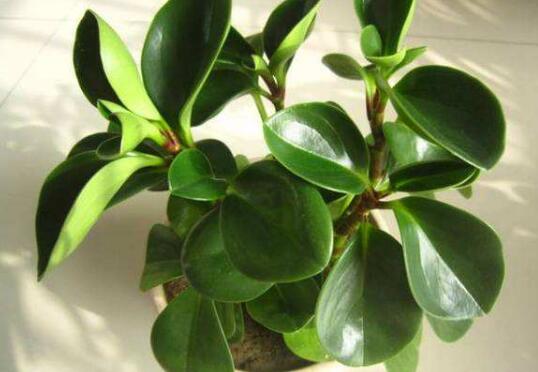
How often should you water Peperomia obtusifolia? Wait until the soil is on the dry side, then water thoroughly.
When it comes to watering Peperomia obtusifolia, some people think you should not water it at all, some think you should water it sparingly, and others think you should water it frequently. In fact, none of these views is entirely correct, because the watering strategy differs from season to season. So how often should you water Peperomia obtusifolia? Let us tell you the answer.
-
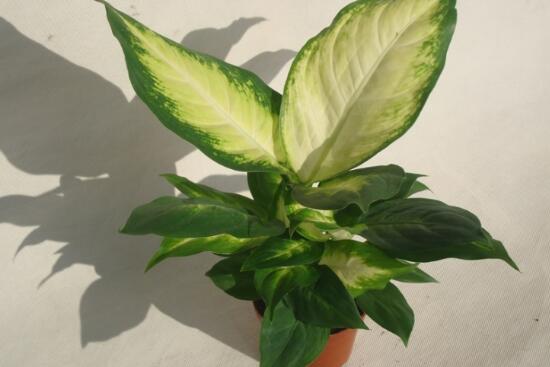
What to do about cold damage in Dieffenbachia? Warm it up, prune, then apply plant ash to the wounds
Dieffenbachia (also known as dumb cane) is currently one of the most popular foliage plants. Although it is toxic, it is kept as a potted plant in many homes because it looks good and has strong benefits. However, because many flower lovers are beginners, they do not know that Dieffenbachia is sensitive to cold, so they fail to provide adequate winter protection, ultimately causing the Dieffenbachia to suffer cold damage
-
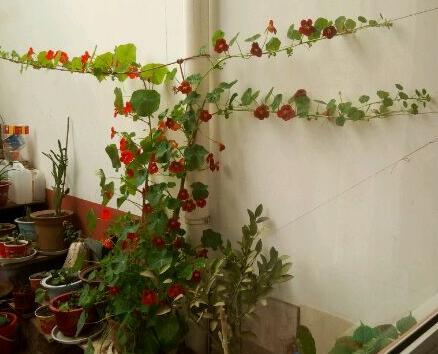
How Does Nasturtium Climb? Pinch the Seedlings, Set Up a Support, Tie Evenly and Strengthen Care
It is well known that nasturtium has a semi-trailing habit, so with proper care it can climb on supports and walls. Of course, this requires some skill. How does nasturtium climb? When should we prune it? And when should we set up a support? The editor below will answer your questions.
-
What to Do About Root Rot in Ginger Lilies? Trim Off the Rotten Roots and Some Leaves, Replant, and Strengthen Prevention
The roots of the ginger lily are rather fragile. If watering is done carelessly during cultivation or if there is a problem with the soil, the roots may be damaged or even rot. Once this happens, the ginger lily may wither and die. So what should you do about root rot in ginger lilies? Let me tell you the causes and the solutions.
-
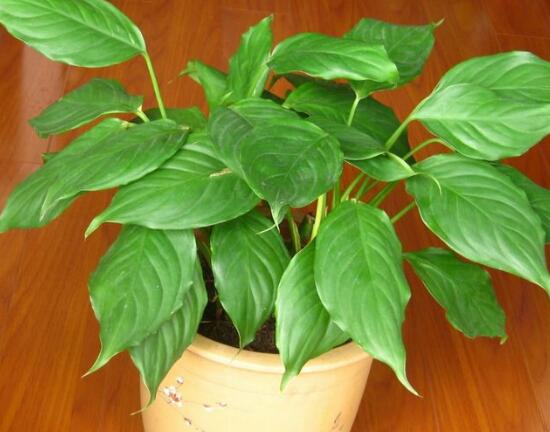
How to prune Rohdea japonica when it grows too tall? Prune appropriately, then propagate by cuttings and transplant to grow new branches and leaves
Rohdea japonica is a very easy-to-grow green plant. Its leaves stay green all year round, making it a great choice for placing at home. Growing plants naturally involves pruning, especially Rohdea japonica. If you don't prune Rohdea japonica, it will grow very ugly, just like a pot of weeds
-
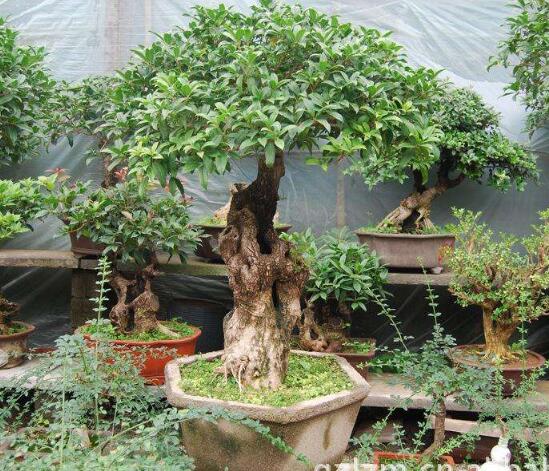
What is the simplest way to propagate potted osmanthus? Take cuttings, let them root, then transplant into a flower pot
With advances in container gardening techniques, osmanthus can now be grown at home too. We have already covered how to grow osmanthus and its benefits and uses, so now let's look at how to propagate potted osmanthus. There are many ways to propagate osmanthus, including cuttings, grafting and sowing, and the simplest method is propagation by cuttings
-
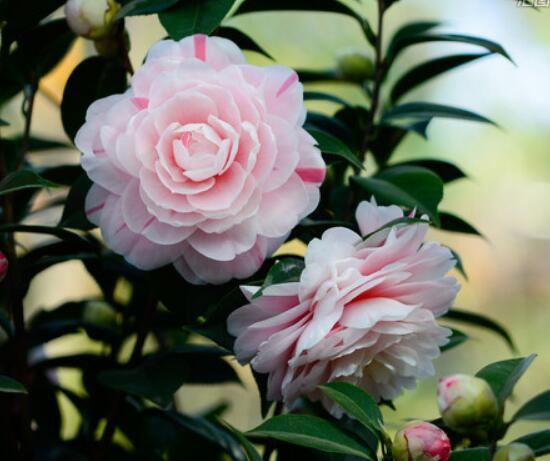
How to propagate potted camellias? Rooting cuttings in water then moving them to soil is the simplest way
Camellias are very common in everyday life, and every plant has its own propagation method; camellias are no exception. There are many ways to propagate camellias, including growing from seed, cuttings, approach grafting, leaf cuttings and so on, but the simplest method of all is the cutting method. Propagation by cuttings has a very high survival rate
-

Lavender Propagation Methods: Slanted-Cut Cuttings Rooted in Water Then Grown in Soil, with a Survival Rate as High as 100%
1. Lavender Propagation Methods: Cuttings Have the Highest Survival Rate. Lavender is deeply loved by young people and is one of the common flowers in everyday life. Previously we introduced how to grow lavender and what lavender is used for, and now let's look at lavender propagation methods. There are many lavender propagation methods.
-
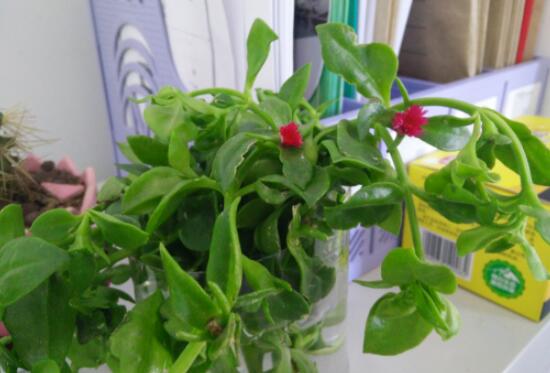
Aptenia cordifolia hydroponic method: cut branches, let them dry, then insert into water
As a highly capable hanging plant, Aptenia cordifolia not only has attractive leaves and a strong ability to absorb formaldehyde, but can also produce beautiful flowers. Compared with soil cultivation, many plant lovers prefer water cultivation, so can Aptenia cordifolia be grown hydroponically? If so, how is Aptenia cordifolia grown hydroponically? Below is the hydroponic method for Aptenia cordifolia.
条件筛选