How to prune Rohdea japonica when it grows too tall? Prune appropriately, then propagate by cuttings and transplant to grow new branches and leaves
Rohdea japonica is a very easy-to-grow green plant. Its leaves stay green all year round, making it a great choice for placing at home. Growing plants naturally involves pruning, especially Rohdea japonica. If you don't prune Rohdea japonica, it will grow very ugly, just like a pot of weeds. So how do you prune Rohdea japonica when it grows too tall? Re-propagating by cuttings and transplanting is the best choice.
I. Pruning methods for Rohdea japonica when it grows tall
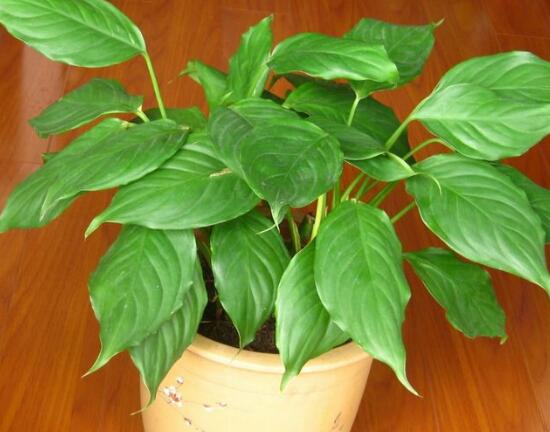
Earlier we learned about the effects and benefits of Rohdea japonica and what to do when it gets bugs. Now let's look at how to prune Rohdea japonica when it grows too tall. Rohdea japonica is a plant that will grow vigorously if you leave it alone. As the plant keeps growing, its overall shape becomes larger and larger. At this point we can cut off the branch tips, and another option is to re-propagate by cuttings.
1. Pruning the branch tips
How do you prune Rohdea japonica when it grows too tall? When the plant reaches the height we want, by cutting off the branch tips and removing the most vigorous growing point at the top, Rohdea japonica will often send out a large number of side branches and produce more leaves.
As the plant grows, a large number of old and weak leaves will inevitably appear at the lower part. So we should promptly cut off these leaves to avoid unnecessary nutrient consumption, allowing the saved nutrients to be sent in a concentrated way to the healthy, vigorous branches and leaves, so that the plant grows in better condition, with brighter green leaf color and higher ornamental value.
2. Pruning old leaves
It can be seen that in order to control the height of potted Rohdea japonica while also improving flowering and overall ornamental value, besides promptly cutting off the branch tips, we also need to prune away the useless old leaves at the lower part of the plant. More importantly, pruning should begin at the seedling stage. This not only achieves a dwarfing effect and promotes flowering, but also saves us a lot of indoor space.
II. When Rohdea japonica grows tall, it can be re-propagated by cuttings and transplanted
How do you prune Rohdea japonica when it grows too tall? This is one of the easiest green plants to grow tall. If you think it has grown too tall, you can re-propagate it by cuttings and re-transplant it. It is best to cut off the main stem and let it send out side buds again, so that it grows many secondary tillers, and after pruning the appearance will also be very attractive. This stage takes about 5-6 months. You need to do it before the weather gets hot, otherwise it will not survive easily in hot weather and will sprout more slowly.
Cutting method:
1. Select healthy branches about 10 cm long from the Rohdea japonica plant as cuttings, dig a hole in the prepared substrate, and insert the cutting into the hole in the substrate. During the cutting process, be careful to maintain relatively high air humidity and keep the temperature at around 20°C. About 25 days after cutting, Guangdong Rohdea japonica will take root.
2. Water propagation method: When using the water propagation method, select a scion about 20 cm long, insert it in a cup filled with clean water, change the water about every two days, and roots will grow in about 20 days. When the root system has grown well, it can be moved to a pot to grow.
III. Rohdea japonica is suitable for pruning and cuttings in spring
During the growth process, Rohdea japonica must be pruned in time to achieve dwarfing. While maintaining a certain plant shape and height, it is often more ornamental and practical. As for pruning Rohdea japonica, it is mostly done in spring, and generally needs to be completed before the Start of Summer.
This is because scientific and reasonable pruning of the plant during this period not only makes it easier to control the plant's growth and height, but also achieves the effect of maintaining a good plant shape through dwarfing. It will not take up too much space, and it will not affect the ornamental effect. The above is the answer to how to prune Rohdea japonica when it grows too tall. Everyone has learned it, right!
Rohdea japonica cultivation methods and precautions
Chinese scientific name: Rohdea japonicaLatin scientific name: Rohdea japonicaAlso known as BaihecheBinomial name: Rohdea japonicaKingdom: PlantaeDivision: AngiospermsClass: MonocotyledonsOrder: LilialesFamily: LiliaceaeTribe: ConvallarieaeGenus: RohdeaRohdea japonica (Rohdea japonica (Thunb.) Roth), also known as Baiheche, is a perennial evergreen herbaceous plant native to southern China and Japan. It is a fine ornamental plant loved by everyone and has a long history of cultivation in China. Its Chinese name "Yun" means "a herbaceous plant that likes warmth." It can be grown as an indoor potted plant and is very ornamental. Rohdea japonica has emerald green leaves and stays evergreen through the four seasons. In winter, the green leaves paired with red berries are elegant and beautiful, carrying the fine meanings of eternal youth, health and longevity, enduring friendship, and wealth and good fortune. This can be seen from Chen Haozi's 1688 horticultural work "Hua Jing": "People use its prosperity or decline to divine good or ill fortune; when building a house or moving residence, arranging betrothals or managing ponds, and when a child is first born, it is used for all happy occasions." During the Spring Festival, people like to place Rohdea japonica indoors to celebrate the festival.1. Morphological characteristics
RootThe rhizome is thick and short, yellow-white, jointed, with most slender fibrous roots growing at the nodes; the rhizome is 1.5-2.5 cm thick.
Leaves
Leaves 3-6, clustered from the rhizome, thickly papery, oblong, lanceolate, or oblanceolate, 15-50 cm long, 2.5-7 cm wide, apex acute, base slightly narrowed, green, with longitudinal veins obviously raised; sheath leaves lanceolate, 5-12 cm long.
Flowers
In spring and summer, a scape grows from the leaf cluster, shorter than the leaves, 2.5-4 cm long; the spike is 3-4 cm long and 1.2-1.7 cm wide; flowers numerous, clustered at the top and arranged in a short spike; with dozens of densely packed flowers; bracts ovate, membranous, shorter than the flowers, 2.5-6 mm long and 2-4 mm wide; perianth 4-5 mm long and 6 mm wide, pale yellow, lobes thick; anthers ovate, 1.4-1.6 mm long. Berry about 8 mm in diameter, red when ripe, containing 1 seed. Flowering period May-June, fruiting period September-November.
2. Growth habits
Rohdea japonica is a fleshy-rooted plant, and the planting environment should be keptwarm, humid, and semi-shaded. In summer, it is best to place it indoors about 80 cm from a south-facing windowsill or in a shaded place outdoors, avoiding direct strong sunlight, otherwise the leaves are easily scorched. Water accumulation easily leads to waterlogging, and too much watering easily causes root rot. But dry air can also easily cause undesirable conditions such as dry leaf tips.In summer, water should be sprinkled on the ground around the flower pot every morning and evening to create a humid microclimate. Attention should also be paid to preventing heavy rain from drenching it, especially during the flowering period when it must not be rained on; it should be placed in a shaded, dry, ventilated place free from rain. After being brought indoors in winter, the room temperature must notfall below 12°C. If the room temperature is too low, it can easily cause the plant to suffer cold, drop leaves, and die.
For potted Rohdea japonica, it is best to use sandy loam rich in humus as the growing medium. A soil pH of 6-6.5 can fully release the soil nutrients and effectively promote flowering and fruiting of Rohdea japonica. Repot once a year regularly. When repotting, remove rotten dead leaves and rhizomes, and use acidic soil with potassium fertilizer as the cultivation soil. After planting, place Rohdea japonica in a cool place for a few days so it can recover its vitality. It can generally be cultivated in ordinary garden soil, but slightly acidic sandy loam rich in humus and loose with good water permeability is best.
During the growing period, applyabout every 20 daysonce a well-rotted liquid fertilizer; in early summer when growth is more vigorous, apply liquid fertilizer about every 10 days, and a small amount of 0.5% ammonium sulfate can be added to the topdressing, so as to promote better growth and make the leaf color dark green and glossy. In the vigorous flowering period of June-July, apply a 0.2% potassium dihydrogen phosphate aqueous solution about every 15 days to promote flower bud differentiation and help it flower and fruit better (around the Start of Summer, several old leaves on the outer part of the mature plant should be cut off to facilitate the sprouting of new buds, new leaves, and the emergence of flower scapes). In addition, the leaves need to be sprayed and washed with warm water once a week to prevent the leaves from being polluted by smoke and dust, so as to keep the stems and leaves bright green and evergreen through the four seasons.
3. Geographical distribution
Rohdea japonica is native to tropical America. It is distributed in China and Japan. In China it is mainly produced in Shandong, Jiangsu, Zhejiang, Jiangxi, Hubei, Hunan, Guangxi, Guizhou, and Sichuan.4. Cultivation techniques
Planting
Plant in spring or repot and change the soil. It has no strict requirements for soil, but it fears water accumulation. When planted in the ground or in pots, hard clay and alkaline soil should be avoided. For potting, a mixed soil of leaf mold and sand is generally used.Light and temperature
Rohdea japonica likes a semi-shaded environment and fears direct summer sunlight. For greenhouse cultivation, shade should be 60% or more in spring, summer, and autumn, and 40% in winter. Too strong light easily causes sunscald, while too weak light makes flowering and fruiting difficult. Cuihuawang No. 3 can be used to promote flower bud differentiation, more flowering, and more fruiting. In winter it goes dormant and should be brought into the greenhouse and placed in a sunny place, with the temperature kept above 10°C, and the lowest temperature must not be below 5°C. In the Yangtze River basin it can overwinter in the open ground; although the leaves may suffer frost damage, new leaves can still sprout again the following year.Watering and fertilizing
During the growing season, apply liquid fertilizer once every 10-15 days, combined with spraying Xinguozhimu to enhance fertilizer efficiency, so that flowers are abundant and leaves lush and splendid. In summer, ventilation should be strengthened, heat prevented and temperature reduced, and water supplied fully, often keeping the pot soil moist and the surrounding air humid. In summer, water 1-2 times a day. In winter, reduce watering and stop fertilizing.Shaping and pruning
In order to maintain a good plant shape and improve ornamental value, as the plant grows, yellow leaves, damaged leaves, and some old leaves at the lower part of the plant should be pruned in time. The cut should be coated with healing and antiseptic film to prevent infection and invasion by pathogens; it can still sprout new branches and bloom again in late autumn. When grown as a household pot plant, you can wipe the leaves with a soft cloth dipped in beer and combine this with spraying Zhuangjingling, which can both remove dust and add nutrients to the leaves, making them bright green and clean.5. Common knowledge on pests and diseases
Leaf spot disease
This disease occurs on the leaves of Rohdea japonica, and is prone to occur in weather with high humidity. The lesions initially are small brown spots, with the surrounding area water-soaked and fading green, expanding in concentric rings, round to oval, with brown edges and gray-white inside. In the later stage, black-brown mold spots appear in the center of the lesions, and under moist conditions they become a black-brown mold layer. The method to prevent and control this disease is to promptly remove diseased and remnant leaves; in the early or late stages of the disease, it can be treated byspraying with 0.5%-1% Bordeaux mixture (or 50% carbendazim 1000-times solution)。Anthracnose
This disease also occurs on the leaves of Rohdea japonica, and in severe cases can spread to the petioles. The lesions initially appear as small water-soaked yellow spots, and after expansion become oval to irregular brown or yellow-brown, slightly showing concentric rings; in the later stage the lesions join together into a dry and withered state and produce small black dots arranged in concentric rings. This disease is mainly caused by poor ventilation, and the presence of scale insect damage favors its occurrence. The method to prevent and control this disease is to strengthen maintenance,0.3%-0.5% equal-amount Bordeaux mixture (or 60% zinebapply more phosphorus and potassium fertilizer; in the early stage of the disease, it can be sprayed with an 800-900-times solution, or 70% thiophanate 1500-times solution).Brown soft scale
This insect has complex feeding habits and can harm many plants; Rohdea japonica is one of the affected ornamental flowers. When the brown soft scale harms plants, it generally gathers on the leaf surface or tender leaves, piercing and sucking the plant sap, while excreting sticky liquid. Its excrement easily causes large-scale reproduction of sooty mold pathogens, making stems and leaves turn black, affecting the plant's photosynthesis, causing weak growth and yellow, withered leaves, and impairing ornamental value. When the infestation is severe, the stems and branches are covered with insect bodies, causing the plant to become yellow and withered and affecting growth.Disease characteristics
[Symptoms] In the early stage of leaf disease, water-soaked small spots appear on the underside of the leaves. After 2-3 days, the lesions slightly sink and become small brown spots, pinhead-sized, round or irregular, later gradually expanding into dark brown or reddish-brown round or irregular lesions, 1.5-3.0 mm in diameter, with slight concentric rings on the lesions and a discolored area around the edges. Many spots can occur on a single leaf, especially on the older lower leaves, where there are even more spots. The lesions expand and gradually join together, and the veins and petioles also turn brown, causing most of the leaf to die; the stem symptom is called black rot, with the vascular bundles of diseased stems and branches turning brown to black. At this time, the leaves on the stems wither, showing angular necrosis symptoms, after which bacteria infect the pith and cortex, until only a few leaf clusters remain at the top of the branches, and the entire stem becomes black, shrinks, and rots. When cuttings are affected, they cannot root and slowly rot from the base upward, with leaves withering and showing angular necrosis.[Pathogen] The pathogen is a bacterium, Xanthomonas campestris pv. pelargoni of the class Eubacteria, order Eubacteriales, genus Xanthomonas, with a rounded top, rod-shaped, and a single polar flagellum. The optimum temperature for growth and development is 25-27°C, the minimum is 1°C, and the lethal temperature is 51-51.5°C.
[Disease pattern] Bacteria can spread through cuttings, contact, and splashed water droplets, and seeds may carry and spread the bacteria; in moist soil the pathogen can survive for 3 months; in greenhouse cultivation, when plants are too dense and growing rapidly, the disease is more severe; old leaves at the lower part of the plant are more severely affected, and the disease is more severe in warm, humid conditions; high nitrogen, high phosphorus, and low calcium favor disease development, while high potassium, low phosphorus, and high calcium suppress symptoms. Different species and varieties of Pelargonium differ in disease resistance. Among Pelargonium varieties, Pelargonium grandiflorum is highly resistant, Pelargonium graveolens is moderately resistant, and Pelargonium peltatum is highly susceptible. Some plants in the Geraniaceae are asymptomatic carriers.
Pest and disease control methods
(1) Horticultural control: Plants should have ventilation and light transmission, avoiding excessively high humidity; do not spray water directly on plants to avoid spreading disease through splashed droplets; do not select cuttings from diseased plants; remove all diseased leaves and diseased branches, and avoid contaminating leaves with bacteria-carrying soil. Diseased soil should be treated centrally, and when necessary, soil and flower pots should be sterilized. The pathogen can survive in the soil on propagation beds, so avoid splashing diseased soil onto healthy plants. Spray 1% Bordeaux mixture once every 10-15 days for prevention.(2) Chemical control: Spray agricultural streptomycin 1000 units, or try 14% copper ammonia complex 300-times solution, or 50% xiaojunling 1000-times solution.
(3) Thoroughly remove all diseased plants and diseased remnants. Soak and disinfect flower pots, planting benches, and tools with 10% bleaching powder solution, disinfect soil with 2% formalin solution, or replace it with new soil. Use disease-free seedlings.
(4) Before and after disease onset, spray 1% Bordeaux mixture or (500-1000) x 0.000001 agricultural streptomycin, for several consecutive times.
(5) For brown soft scale, if there are few affected plants or not many insects, generally scraping the insect bodies off with bamboo strips or similar is enough. During the nymph hatching period, spray 40% dimethoate emulsifiable concentrate 1000-times solution (or 40% omethoate emulsifiable concentrate 1000-times solution), and 5% phosmet emulsifiable concentrate 1000-times solution can also be sprayed to kill them.
6. Main varieties
Golden-edged Rohdea japonica
Perennial evergreen herb, without aerial stems. Rhizome thick and short, yellow-white, jointed, with most slender fibrous roots growing at the nodes. Leaves clustered from the rhizome, thick, lanceolate or strap-shaped, 10-25 cm long, 2.5-5.5 cm wide, margins slightly folded inward, base gradually narrowing into a petiole-like shape, dark green above, light green below, with several parallel veins extending straight out, the main vein relatively thick. In spring and summer, a scape grows from the leaf cluster, 10-20 cm long; flowers numerous, clustered at the top and arranged in a short spike; perianth 6 parts, pale green-white, ovate to triangular, pointed at the tip, broad at the base, fused below into a disc shape; stamens 6, sessile, anthers oblong; ovary spherical, style short, stigma 3-lobed. Berry spherical, orange-red; containing 1 seed. It likes high temperature, high humidity, and semi-shade or shade. It is not cold-tolerant, avoids direct strong light, and requires loose, fertile, well-drained sandy loam.Silver-edged Rohdea japonica
There are also other varieties such as large-leaved, fine-leaved, dwarf, and those with yellow-white markings. Japan and Taiwan, China have relativelymore.
Value and applications
Rohdea japonica is used medicinally as rhizome or whole plant. It has the effects of clearing heat and detoxifying, strengthening the heart, and promoting diuresis. It also has effects in preventing and treating diphtheria, myocarditis caused by diphtheria, sore throat, bacillary dysentery, and heart failure due to rheumatic heart disease.
[Bai medicine] Xianhou: the whole plant treats pharyngitis, mastitis, bacillary dysentery, and cardiac heart failure, "Dian Yao Lu".
[Miao medicine] Ghob heid (A heng), Uab fangf (Wa fang): functions the same as those of the Bai ethnic group, "Dian Yao Lu". Roots and leaves treat cough, strengthen the heart, treat traumatic injuries, and reduce swelling, "Miao Yi Yao". [Jingpo medicine] Haqnyui shem: rhizome treats myocarditis caused by diphtheria, "Dehong Yao Lu".
[De'ang medicine] Gebo Bure: functions the same as those of the Jingpo ethnic group, "Dehong Yao Lu".
[Dong medicine] Weenh nyinc sup, Mal nyinc sup: rhizome mainly treats Gengman Gao (migraine), "Dong Yi Xue".
[Tujia medicine] Bao gu qi: rhizome or whole plant treats weakness of the spleen and stomach, sore throat, and internal injuries from overexertion, "Tujia Yao".
[Shui medicine] Rhizome treats bronchitis.
7. Ecological value
Rohdea japonica can remove harmful substances such as nicotine and formaldehyde. Growing Rohdea japonica creates a perfect living space for the residential environment. Rohdea japonica is usually placed in the living room or bedroom for decorative and ornamental purposes, making people feel refreshed. In addition, Rohdea japonica also has the effect of absorbing indoor toxic and exhaust gases and releasing oxygen, thereby purifying the air. This is especially beneficial for older people with relatively weak immunity.Toxicity
The sap of Rohdea japonica is toxic, generally with the stem tissue fluid being the most toxic. If the sticky liquid gets on the hands or skin, it can cause allergic reactions, patches, or a very itchy feeling, and scratching without care will make it itch more. Note that among plants called Rohdea japonica, there are those in the genus Dieffenbachia and the genus Aglaonema, and the toxicity of these two varieties is different.
If taken internally as Chinese medicine, after an excessive oral dose, symptoms such as nausea and vomiting, headache and dizziness, drooling and loss of appetite, blurred vision, and fatigue appear after about 1 hour. In more severe cases, there may be abdominal pain and diarrhea, a feeling of pressure in the precordial region, numbness of the limbs, coldness of the extremities, pale skin, blurred vision, slow heartbeat, and decreased blood pressure. In severe cases, the patient may be irritable, convulsive, comatose, and have dilated pupils, and various arrhythmias may occur, such as premature ventricular beats, atrioventricular block, atrial or ventricular tachycardia, atrioventricular dissociation, atrial fibrillation, or sinus bradycardia, sinoatrial block, andjunctional rhythm, etc.
8. Plant culture
The flower language of Rohdea japonica: health, longevityNative to southern China and Japan.
It has a long history of cultivation in China. Because its name and fruit color (red) are auspicious, it has often been used through the ages as a symbol of wealth, good fortune, peace, and longevity, and is deeply loved by people.
Because of its large appearance, emerald branches and leaves, and bright red fruit, Rohdea japonica fits very well with the Chinese aesthetic standard of red paired with green. Thus, in the eyes of Chinese people, Rohdea japonica represents the fine meanings of good fortune and happiness, family wealth, and national peace.
In Chinese paper-cutting culture, the image of Rohdea japonica is often cut out, and during the Spring Festival it is pasted on doors and windows to convey good wishes for auspiciousness and favorable weather in the coming year. Rohdea japonica is not only used in traditional Chinese festivals; when Chinese people marry and welcome brides, Rohdea japonica is also arranged in the hall, conveying the fine wishes for a smooth and happy marriage, the early birth of a child, and the continuation of the family line.
Rohdea japonica is also often used to describe older people, hoping they will be healthy, as blessed as the Eastern Sea, and as long-lived as the Southern Mountain. Rohdea japonica is emerald green and evergreen all year round and full of vitality, so generally on the occasion of an elderly person's grand birthday, children and grandchildren present a pot of Rohdea japonica to wish the elder health and longevity like Rohdea japonica, hoping the elder will be strong and as youthful as Rohdea japonica.
The evergreen Rohdea japonica also foretells the enduring nature of friendship.
9. Care knowledge
Key care points for Guangdong Rohdea japonica
It is an evergreen herbaceous plant of the Araceae family and the genus Aglaonema, also known as Aglaonema. The stem is upright, 40 cm to 50 cm tall. Leaves ovate to ovate-lanceolate, base blunt, apex acuminate. The inflorescence emerges from the lower sheath, with a small green spathe. It is produced in southwestern and southern China, and is also distributed from India to Malaysia. It likes a warm, humid, and lightly shaded environment. For potting, loose, fertile, humus-rich, well-drained, slightly acidic soil is suitable. It is not cold-tolerant, and the overwintering temperature is 5°C to 8°C. The leaf surface needs frequent spraying with water, and the pot soil should often remain moist. It is mainly propagated by cuttings, and roots very easily at 25°C; division can also be used. Guangdong Rohdea japonica is very adaptable to indoor environments and can be grown in pots or placed in vases, where it can keep growing and remain unfading for a long time. Common famous varieties include: Aglaonema commutatum 'Java', with a short stem, branching at the base, ovate leaves, white spots, and white veins. Aglaonema commutatum 'Variegatum', shrub-like, with irregular bright green or gray-white markings on the leaf surface. Aglaonema commutatum 'Maculatum', with a white stem, green stripes, and branching. The leaf surface has irregular yellow-brown markings, and the spathe is green-white. These three Aglaonema varieties are not cold-tolerant, and the suitable overwintering temperature should not be lower than 18°C.Key care points for Dieffenbachia
The leaves of Dieffenbachia have many irregular white or pale yellow spots, with bright tones and green color through the four seasons. Water: likes moisture. Water more in summer, but avoid water accumulation, and frequently spray water on the leaf surface. Reduce watering in winter. It must not be rained on during the flowering period.
Fertilizer: It has low fertilizer requirements. Apply base fertilizer when repotting; generally no additional fertilizing is needed.
Soil: Highly adaptable, but loose, well-aerated, slightly acidic loam is most suitable.
Temperature: In northern regions it needs to overwinter indoors; in Jiangnan it can overwinter in the open ground, and above 5°C no frost damage will occur.
Light: Likes semi-shade and avoids exposure to the sun. Indoors it should be placed in a ventilated place and given indirect light.
Propagation: Division propagation. In early spring, divide the sprouted tiller seedlings and plant them together with the roots; they survive easily. Sowing is also possible, but generally not used. Division can be carried out together with repotting, generally repotting once a year, dividing the clustered plant into several clumps and cultivating them separately, with division once every 3 years.
How to care for Tradescantia spathacea
Rosel periwinkle, also called purple brocade orchid, is an evergreen perennial herb in the Commelinaceae family. Its leaves are broadly lanceolate, arranged in a ring-like pattern on short stems; the leaf surface is smooth and dark green, while the leaf underside is dark purple. The flowers are axillary, with white flowers borne among two shell-like purple bracts, and white long hairs on the filaments. It is a common foliage plant grown indoors.This plant is native to Mexico and the West Indies. It prefers a warm, humid climate and grows best at temperatures of 15-25°C. It likes light but also tolerates shade, fears scorching sun, and requires fertile soil with good water retention.
For the potting soil of rosel periwinkle, it is best to mix 2 parts pond mud with 1 part peat. Because of its strong adaptability, management is relatively simple: except from May to October, when it should be shaded or placed in partial shade, it should be given ample light at other times. Watering should err on the side of moist rather than dry, but it must not be overly wet or waterlogged, otherwise the roots will rot over time. In dry weather, spray water frequently to keep the growing environment at relatively high air humidity. Fertilizing should not be excessive; applying cake fertilizer water 1-2 times is enough. In winter, place it indoors in a humid spot, keep it at around 6-10°C, and keep the soil slightly moist, not too wet.
Rosel periwinkle is mostly propagated by division, and can also be propagated by cuttings or sowing. Division is usually carried out in spring when repotting; the method is to cut apart dense mother plants from the gaps with a sharp knife. Cuttings can be taken throughout the growing season; cut 7-10 cm from the stem tip, remove the lower leaves, insert into sand, keep moist, and roots will form in about 2 weeks. Sowing is often done in pots in April, and seedlings grow rapidly after emergence. When the seedlings are about an inch long, they should be transplanted promptly, and by autumn of that year they can grow into full plants.
Care of Dieffenbachia seguine
Dieffenbachia seguine is native to Colombia. It prefers a warm, humid climate. The optimum temperature for growth is 25°C to 30°C; in winter the indoor temperature should also be maintained at around 15°C, with a minimum of 10°C. For potting soil, mix 7 parts leaf mold, 3 parts loam, and 1 part sand. Dieffenbachia seguine likes a semi-shaded environment and avoids direct sunlight, so it can be grown indoors year-round. It tolerates wet conditions, so a water tray can be placed under the pot, with water in the tray so that water continuously seeps into the potting soil through the small holes in the bottom of the pot. In winter, watering should be controlled; the lower the temperature, the more attention should be paid to watering less. In winter, some leaves may turn yellow and drop, but as long as the plant is not frozen, it can send out new leaves again the following spring. If kept indoors for the winter, growth may be weak and prone to leggy growth, so it can be placed outdoors in partial shade for a period during the growing season, and moved back indoors after its vigor recovers. Fertilizing can be done during the growing season depending on growth vigor, once or twice a month, mainly with decomposed liquid fertilizer or compound fertilizer to promote lush green leaf color, but nitrogen fertilizer should not be used too much.Its "flower" is the typical spathe-and-spadix inflorescence of the Araceae family. It rarely or never sets seed, so it is difficult to propagate by seed. Propagation is basically vegetative, mainly by tissue culture and cuttings. Tissue culture propagation has a high success rate and low cost, but requires certain equipment and conditions. For the cutting method, in spring cut old stems into 10 to 15 cm sections, insert them obliquely into sandy soil, keep moist, and after roots and leaves grow, transplant them into pots. Alternatively, during the peak growing season, cut the stems into small sections with one or two nodes, about 5 to 6 cm long, let them dry for a few days until the cut surfaces are dry, then plant them directly in pots, keep moist, and they will quickly root and produce leaves. You can also cut leaf-bearing stem sections and insert them into a transparent glass water bottle, fixing them with white rice stone used for architectural decoration, and in about half a month you can see it grow pure white, jade-like adventitious roots, so you can enjoy both the leaves and the roots. Because its sap is toxic, be careful during handling not to let it touch the skin, mouth, or eyes. There are more than 30 species in the same genus as Dieffenbachia seguine, and they also have some ornamental value, but this species is the largest; its leaves are thick and hard, with elegant and beautiful markings and luster, and the plant is tall with stout stems, making it an ideal indoor ornamental specimen.
Other types
Its key cultivation points are: warmth, humidity, and semi-shade. In summer, potted plants are best placed indoors about 80 cm from a south-facing windowsill, or outdoors in a shaded place, avoiding direct strong light, otherwise the leaves are easily scorched. In addition to adequate watering, water should be sprinkled on the ground around the flowerpot every morning and evening to help create a humid microclimate. During the growing period, do not water too much; when the surface of the potting soil turns pale, that is the right time to water. Apply liquid fertilizer once every half month.In the north, after being brought indoors in winter, the room temperature must not be lower than 12°C. If the temperature is too low, it is easy for the plant to suffer cold damage, drop leaves, and die. In winter, rinse the leaf surface once a week with warm water to prevent the leaves from being contaminated by smoke and dust, so as to keep the stems and leaves fresh and beautiful.
Introduction and Cultivation of Potted Plants (Part Three)
Thirteen, Belgian Azalea
In the past, when people strolled through Lunar New Year flower markets, most only bought some peach blossoms, chrysanthemums, silver willows, and the like for vase arrangements. In recent years, with the emergence of a large number of trendy flowers, many people have become interested in those delicate and exquisite small potted flowers. Especially the Belgian azalea, spreading red and displaying green, its brilliance overshadowing other flowers, is the most captivating, and people always pray to have one during the Spring Festival.
Belgian azalea, abbreviated as West azalea. It is a new variety obtained by Dutch and Belgian experts through long-term hybridization and selection. It is said to contain the bloodline of Chinese azaleas. Because it was first propagated and promoted most extensively in Belgium, it is also called “Belgian azalea”, and is one of the most widely popular famous flowers in the world today. Its characteristics are a short and sturdy plant type, a compact crown, abundant flowers and lush leaves, mostly double and semi-double, with petal shapes including round and broad, narrow and long, backward-curling, wavy, and ruffled. Patterns include dotted red, edged, flying white, gold-sprinkled, cloud-like, and so on. Generally, a plant with a crown diameter of 25 cm can produce thirty or forty flowers, two or three times more than local azaleas. The flowers are dignified, delicate and beautiful, elegant and charming, and from the first flower to the last lasts as long as forty or fifty days. By the Chinese Valentine's Day——the Lantern Festival, its sweet smiling face can still be seen.
Originally, “in March the azaleas are red.” According to the floral calendar of China, most azaleas finish blooming before late spring. Their splendor of “a hundred kinds of red and purple competing in fragrance” often turns thousands of mountains red and embroiders the earth. But it happens to be exactly when the cuckoo bird cries most intensely, singing again and again “why not go home, why not go home”, so some poets “suspected it was blood from the mouth, dripping into flowers on the branches.” Thus the saying “the azalea weeps blood” spread widely, leading many people to regard it as a “flower of sorrow and resentment.” This has long since been unraveled by scientists. It turns out that most azaleas bloom abundantly from March to May, when cuckoo birds generally come into heat and seek mates. The inner wall of their mouths is originally red, and what they sing with open beaks is precisely a love song poured out in search of a partner. This is actually the happiest and most joyful time for the cuckoo, so to describe it as mournful is completely wrong. In recent years, with the increasing spread of science, many flower lovers have further updated their views; instead, they feel that the massed flowers of the West azalea are like a rich embroidered ball, carrying the auspicious meaning of “a full pot and a full bowl”, and therefore the West azalea sells very well in Lunar New Year flower markets. Before the 1994 Spring Festival, Guangdong Province imported 600,000 pots from abroad, each selling for forty or fifty yuan, and all entered countless households, blooming magnificently. It can truly be said, “Looking back, peach and plum have lost their color; even the hibiscus reflected beside it is no flower.”
The varieties of West azalea are extremely rich, with about more than 300 in Europe and America alone. During the flowering period, they can be distinguished by flower color and form; before and after flowering, they can be identified by observing leaf shape. In recent years, about 25 to 30 varieties have been introduced in various parts of Lingnan, while Shanghai has 40 to 50. The varieties most welcomed by the public are mostly those with red and pink flowers. For example, the red-flowered “Aurora”, “Red Kylin”, and “Crimson Hibiscus”. The white-flowered “Crown” with red edges and wavy petals, and “Dance of the Heavenly Maiden” with red petals, white edges, and ruffled petal margins, are relatively popular. But pure white varieties, because they do not suit the festive atmosphere, often have a price but no market. At present, the West azaleas imported into the Pearl River Delta before the Spring Festival are mostly propagated by cuttings and cultivated in artificial climate rooms abroad, generally having the characteristics of standardization, serialization, and intensification. After being transported to the mainland and undergoing a period of light and temperature adjustment, they can be marketed before the Spring Festival. If in the future domestic variety selection and cultivation of West azaleas catch up to advanced levels, it will save the country a sum of foreign exchange.
West azalea is a perennial woody plant, and its vitality is much stronger than that of herbaceous flowers. As long as you understand its growth habits and manage it attentively, it can continue to bloom the following year. According to observation, it has “five likes and five fears” in its life. The “five likes” are liking a warm and cool climate, acidic soil, ventilation and light, moderate dryness and moisture, and light but frequent fertilizing. The “five fears” are fearing scorching sun, severe cold, muggy heat, humidity, and heavy fertilizer. After all its flowers fade, the plant can be taken out, some old roots trimmed off, and it can be repotted into a larger clay pot with an appropriate amount of new growing medium added, watered thoroughly, and kept from scorching sunlight. After 1 month, use compound fertilizer dissolved in clear water and diluted 100 times as a top dressing to promote the sprouting of new branches. In summer, move it to a cool place to escape the heat; in winter, pay attention to cold protection; and otherwise cultivate it according to conventional methods. In this way, the West azalea can continue to be enjoyed for some time.
Fourteen, Cyclamen
Cyclamen is also known as yipin crown, rabbit flower, monk's cap flower, radish begonia, etc. It belongs to the Primulaceae family, Cyclamen genus.
Origin and habits: Cyclamen is native to southern Europe and the vicinity of the Mediterranean. It likes a gentle, humid, cool, and shaded environment, but fears excessive moisture. The cultivation site should be rich in humus and lime and have good drainage.
Morphological characteristics: Cyclamen is a perennial corm herbaceous plant. The corm is fleshy, flattened-round block-shaped or spherical, purplish-black, with dense fibrous roots at the base. Leaves grow from the top of the corm in a clustered manner, and the petioles are purplish-red. The leaves are ovate or heart-shaped, green on the surface, most with white markings, purple on the underside, and with serrated or shallow wavy notches on the margins. Flowers are solitary, nodding, with the perianth rolled upward like rabbit ears, and the pedicels are slender. Flowers come in white, pink, light purple, deep purple, orange-yellow, orange-red, and other colors, often with dark red or dark purple spots at the base. The capsule is spherical and contains many seeds. The flowering period is from autumn to spring.
Propagation techniques: Cyclamen is mainly propagated by sowing, and can also be propagated by dividing the corm. Sowing propagation can be done in spring or autumn. It is generally carried out from September to October. Before sowing, soak the seeds in warm water at 24°C for 12 to 24 hours, sow them in spots or insert them at a spacing of 1 to 2 cm, and cover with about 5 mm of soil. Place in a dark place at 18 to 20°C; roots will form in 2 weeks, and 1 cotyledon will emerge in 4 to 6 weeks, at which point move them into the light. Division propagation is generally carried out after the autumn dormant period. Cut the old corm into 2 to 4 pieces with a sharp knife, making sure each piece has a terminal bud, coat the cuts with plant ash, and then plant them. Water after 1 day to avoid rotting of the wounds.
Management techniques: The optimum growth temperature for Cyclamen is 15 to 25°C, and it begins to go dormant when it exceeds 30°C. In summer, when temperatures are high, it should be placed in a cool, shaded place and must not be exposed to rain. Cyclamen dislikes excessive moisture; water once every morning, pouring slowly from the edge of the pot. Do not sprinkle water directly on the leaves and the center of the plant. After the flowering period, reduce the amount of watering to once every 2 to 3 days, stop watering at the end of July, let the leaves wither and enter the dormant period, resume watering the following spring, and increase the amount of watering after new leaves grow. During the growing period of Cyclamen, apply dilute fertilizer water once a week or every 10 days. Before flowering, apply liquid fertilizer 1 to 2 times intensively; stop fertilizing during the flowering period to avoid bud drop. After flowering, the fruit of Cyclamen matures from May to June. Harvest when the fruit turns from green to yellow, and store in a cool place. Generally stored at a low temperature of 2°C, it can remain able to germinate for more than 4 years.
Ornamental value: Cyclamen has a long flowering period and bright flower colors, especially blooming in winter, adding infinite spring feeling to the room.
Fifteen, Camellia
Camellia is also known as Sichuan camellia, winter-resistant, and tea flower. It belongs to the Theaceae family, Camellia genus.
Origin and habits: Camellia is native to southern and southwestern China, and is widely cultivated in Sichuan, Yunnan, Fujian, Zhejiang, Jiangsu, Hunan, Anhui, and other provinces. Camellia likes warmth, humidity, and semi-shade. Places that are too cold, too hot, or too windy are all unsuitable. It fears exposure to sunlight and requires loose, well-drained, humus-rich acidic soil, with a pH value of 5.5 to 6.5 being best.
Morphological characteristics: Camellia is an evergreen shrub or small tree. The leaves are leathery, ovate, elliptic to obovate, with obtuse to acuminate tips and cuneate bases, finely serrated, dark green and glossy on the surface, arched upward on the leaf surface, and the leaf margins and tips often recurved downward. Flowers are solitary or opposite, borne in leaf axils or at the tips of branches, red, sessile, with 5 to 7 petals, round in shape. The capsule is spherical or angular.
Propagation techniques: Camellia can be propagated by sowing, cuttings, grafting, layering, and other methods. Sowing is generally used to breed new varieties or propagate rootstocks. After the seeds mature in autumn and winter, collect them and sow them immediately in a seedbed. At a temperature of 18 to 20°C, they will germinate in 10 to 30 days, and cultivation requires 4 to 5 years before flowering. Cuttings are carried out from April to June. Select one-year-old hard branches about 10 to 15 cm long, keep one terminal bud and one lateral bud at the upper end, attach 2 to 3 leaves, make a ring cut in the bark, and all lower leaves must be removed. The cutting medium can be sandy loam or humus soil. Place the cutting pot under a shade frame, maintain a temperature of 18 to 20°C and a relative humidity of 80% to 85%; roots will form in about 60 to 100 days, and new branches can sprout the following spring. Young shoots of the current year can also be used for cuttings, and roots will form in about 30 days. Horticultural varieties of camellia are often propagated by approach grafting. The rootstock can be seedlings of camellia, oil tea, and tea plum. In recent places, cuttings of the variant camellia white tea are often used as rootstock. The scion should preferably be 2- to 3-year-old branches about 30 to 40 cm long. Cut a 4 to 5 cm notch on the base of the scion and the root crown of the rootstock, then join the two. Approach grafting is suitable from May to June. About 100 to 120 days after grafting, the rootstock and scion can heal completely, and they can be cut away from the mother plant. Air layering is carried out from May to October. Select robust one-year-old branches, make a ring cut 1 cm wide, fill the wound with leaf mold in a plastic bag and tie it, keep moist, and roots will form in 2 months; then cut it off and pot it.
Management techniques: Camellia is sensitive to light, so avoid moving the potted plant's position relative to the light. Camellia likes fertilizer. In April after flowering, fertilizer should be supplemented to promote the sprouting of spring shoots. In June, top dressing should be applied to promote the sprouting of summer shoots and the formation of flower buds. From October to November, supplement fertilizer to improve the plant's cold resistance. Fertilizers are mainly potassium dihydrogen phosphate, decomposed bean cake water, and the like. During the growing period, Camellia should have sufficient water and humid air, and the leaves should be sprayed with water frequently. For watering, alkaline water can be used, or “alum fertilizer water” can be alternated with clear water. In summer, Camellia should be placed under a shade frame; if indoors, it should be cool and ventilated. After flowering or from September to October, the potting soil should be changed. The potting soil should be loose; the ratio is equal parts loam mixed with leaf mold or peat soil, with a small amount of river sand added.
Ornamental value: Camellia is a precious flower native to China. Its plant form is graceful, its flower form is gorgeous, and its flowering period is in early spring, so it is highly valued by the horticultural world.
Sixteen, Kumquat
Kumquat is also known as golden bullet and golden citrus. It belongs to the Rutaceae family, Fortunella genus.
Origin and habits: Kumquat is native to the warm regions of southern China. It likes humidity and coolness, is relatively cold-tolerant, drought-tolerant, and slightly shade-tolerant. It requires deep, fertile, slightly acidic soil.
Morphological characteristics: Kumquat is an evergreen shrub or small tree. The plant height can reach 3 m. Leaves are oblong-lanceolate, tapering at both ends, 4 to 9 cm long, with inconspicuous serrations at the tip. The petiole has narrow wings. Flowers are borne in leaf axils, white, with 5 petals. The fruit is small, obovate, about 3 cm long, yellow when ripe, juicy and delicious, and can be eaten with the peel.
Propagation techniques: Seedling progeny of kumquat mostly vary, varieties are prone to degeneration, and fruiting is late, so sowing propagation is generally not used. Grafting is commonly used. The rootstock is trifoliate orange or bitter orange, which can improve cold resistance. Bud grafting and branch grafting are generally used. Bud grafting is carried out from June to September. For potted plants, approach grafting is often used, and transplanting is done before budding the following year.
Management techniques: Potted kumquat requires proper water and fertilizer management. Before spring buds sprout, cut off some of last year's branches, leaving 2 to 3 buds on robust ones, and keep 3 pruned one-year-old branches per plant, which is beneficial for the sprouting of spring shoots. When new shoots grow to 15 to 20 cm, pinch off the tips to make the branches full. When the branches are fully grown, apply a quick-acting phosphorus fertilizer once, such as superphosphate, to prevent excessive growth of branches and leaves and promote flower bud differentiation and flowering and fruiting. At the end of May, the spring shoots of the current year bloom and bear fruit. During the flowering period, flowers should be thinned appropriately, and after fruit set, thin the fruit once according to tree vigor, with 2 to 3 per branch being appropriate. Cut off autumn shoots in time to prevent a second fruiting.
Ornamental value: Potted kumquat is evergreen in all four seasons, with luxuriant branches and leaves and a graceful tree shape. It blooms in summer, with jade-white flowers and fragrance spreading far. In autumn and winter, the ripe fruit is either yellow or red, dotted among the green leaves, so it can be described as green leaves and golden balls, lush and flourishing, with extremely high ornamental value.
Seventeen, Sago Palm
Cycas revoluta is also known as iron tree, phoenix-tail banana, foreign banana, and fire-avoiding banana. It belongs to the Cycadaceae family, Cycas genus, and is an evergreen tree.
Origin and habits: Native to central and southern China, India, Japan, and Indonesia, originating in East and Southeast Asia. It is widely cultivated in Zhejiang, Jiangxi, Hunan, Sichuan, and other places. In North China, Northwest China, and other places, it is grown as a potted plant for indoor viewing. Cycas revoluta likes sunlight, dryness, and a well-ventilated environment. It is not cold-tolerant, likes fertilizer, prefers sandy soil, and grows slowly.
Morphological characteristics: In its place of origin, Cycas revoluta can reach 8 m tall; indoors as a potted plant it can reach 3 m. The stem is thick and cylindrical, without branches, with large leaf scars forming a fish-scale pattern. Leaves are clustered at the top of the stem and are large pinnate compound leaves about 1 m long. The leaflets are linear, leathery, hard at the tip, dark green and glossy, with recurved margins. Each spring it produces 2 to 3 whorls, while old leaves fall successively. Flowers are unisexual, borne at the top of the stem, with male and female flowers on separate plants. Male flowers are arranged in a spiral, shaped like a pineapple, covered with fine hairs, fresh pale yellow when first opening, turning brown after maturity. Female flowers are larger, with many palmate scales, shaped like a flattened cylinder, gradually splitting to form a pinecone shape. Cycas revoluta rarely blooms; old plants of twenty or thirty years can bloom, hence the saying “a thousand-year iron tree blooms once”. The flowering period is from June to August.
Propagation techniques: Cycas revoluta is mainly propagated by suckers, and can also be propagated by sowing or cuttings.
Sowing propagation: From October, collect Cycas revoluta seeds or plump seeds no more than two years old, soak them in warm water at about 50°C for 24 hours, then soak them in dilute hydrochloric acid or dilute sulfuric acid for 10 to 15 minutes, then rinse them clean with clear water. During soaking, change the clear water once every other day. After the seed coat has completely absorbed water, expanded, and softened, manually peel off the outer seed coat, wash off the fruit pulp, dry the seeds, and then store them well. Around December, carry out sand stratification treatment of the seeds. Because the seed coat is thick and hard, variable-temperature treatment can be used, and finally sand stratification is carried out. Use clean sandy loam, river sand, perlite, and other materials with good water retention and air permeability to make a sowing bed, with a thickness of not less than 40 cm, and water thoroughly. Sow the prepared seeds into the bed at a spacing of 5 to 20°C cm and at a depth of about 3 cm. Then cover with river sand 3 cm thick. Control the amount of watering according to the dryness of the soil in the bed and the fine sand covering. After watering, cover with plastic film to retain moisture and heat. Once a week, on a sunny morning, uncover the film to let air in once. When the soil is dry, water to keep it moist, and cover the film again at sunset in the afternoon. Generally, Cycas revoluta sand stratification takes 4 to 6 months. During this period, keep the temperature and humidity of the sand stratification, requiring an optimum temperature of 18 to 25°C and a relative humidity of 80 to 90%. Do a good job of winter insulation, which must not be lower than 12°C. In May to June of the following year, the seeds break through the shell and emerge, and in July to August they germinate and grow one true leaf.
Division propagation: Division propagation should be carried out in summer. Separate suckers from the stem of the mother plant, insert them into open ground or pots, and bury half in soil. The survival rate of division propagation can reach 80 to 90%. Suckers grow slowly, so it is best to take suckers after 3 years to separate. Suckers with small wounds are easier to establish. The stem can also be cut into 15 to 20 cm long sections and buried in sandy soil so that new buds form around the stem sections, and then they can be divided and cultivated.
Management techniques: Cycas revoluta is suitable for growing in direct sunlight or bright scattered light. In summer, it is best to provide partial shade, maintain the temperature at 15 to 20°C, and keep the soil and air relatively humid, spraying the leaf cluster frequently. This plant has no dormant period. The winter temperature should preferably be 12 to 16°C, and the plant has a considerable degree of cold resistance. From March to September, apply liquid fertilizer once a month. The cultivation medium should preferably be a mixture of equal amounts of organic soil, peat, and fine sand. Change the potting soil once every 2 to 3 years, adding new soil and base fertilizer to aid growth. In summer, liquid fertilizer can be applied several times, with ferrous sulfate solution added, which can make the leaf color even darker green. After autumn begins, reduce the amount of watering. The most common pest and disease of Cycas revoluta is scale insects damaging the leaves. First, keep ventilation good. After discovering scale insects, observe the hatching period and spray lime sulfur mixture or fluoroacetamide.
Ornamental value: Cycas revoluta leaves are majestic and spectacular, and it is often used as an excellent foliage plant, for decorating the center of courtyard flower beds and flower mounds, or for arranging large indoor venues, foyers, and entrances. The leaves can also be used in cut flowers to arrange flower baskets and wreaths. Moreover, the leaves, flowers, and fruits can all be used as medicine.
Eighteen, Dieffenbachia picta
Dieffenbachia picta belongs to the Araceae family, Dieffenbachia genus, and is the most common species in the Dieffenbachia genus.
Origin and habits: Native to Brazil. The minimum wintering temperature for Dieffenbachia picta in northern greenhouses must not be lower than 14°C. When the temperature drops to 7°C, the leaves drop and the plant dies (other aspects are the same as June Snow Dieffenbachia).
Morphological characteristics: Dieffenbachia picta is a perennial evergreen shrub-like herbaceous plant. The stem is stout and upright. Leaves are oblong to oblong-lanceolate, smooth at the tip, green, often clustered at the top of the stem, 15 to 30 cm long and about 15 cm wide, with irregular white or pale yellow patches and bright coloration.
The propagation, management techniques, and ornamental value of Dieffenbachia picta are the same as those of June Snow Dieffenbachia. It is worth mentioning that the sap in the leaves and stems of plants in the Dieffenbachia genus is toxic, and if it enters the mouth it will cause severe swelling and pain.