Aptenia cordifolia hydroponic method: cut branches, let them dry, then insert into water
As a highly capable hanging plant, Aptenia cordifolia not only has attractive leaves and a strong ability to absorb formaldehyde, but can also produce beautiful flowers. Compared with soil cultivation, many plant lovers prefer water cultivation, so can Aptenia cordifolia be grown hydroponically? If so, how is Aptenia cordifolia grown hydroponically? Below is the hydroponic method for Aptenia cordifolia, very detailed, so plant lovers should be sure to take a look.
1. How to grow Aptenia cordifolia hydroponically: the method matters
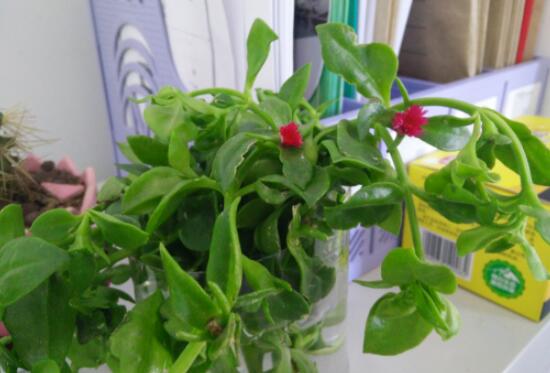
According to the editor's research, the leaves of Aptenia cordifolia can survive after being inserted into water, so Aptenia cordifolia can be grown hydroponically. It is also very simple to do: choose a hydroponic seedling and insert it into a glass container. But while it sounds simple, it is not so easy in practice. As for exactly how to do it, let us continue to look at the hydroponic method for Aptenia cordifolia.
2. Hydroponic method for Aptenia cordifolia
The hydroponic method for Aptenia cordifolia, simply put, is to prepare a glass bottle, pour in an appropriate amount of water, choose a healthy branch and insert it into the water, then place it in a ventilated and shady place. More specifically, it can be divided into 5 steps:
1. Choose a container
For the hydroponic container for Aptenia cordifolia, as with other plants, the choice should mainly be made reasonably according to the size of the plant and its growth space. It is best to use a transparent glass vase, which is both attractive and convenient for observing the rooting situation in real time.
Prepare water and disinfect: after the hydroponic container is chosen, clean it thoroughly and pour in 1/3-1/2 water, preferably cooled boiled water. If it is tap water, it still needs to be left outside to air for 2-3 days.
2. Hydroponic branches
If you have a potted Aptenia cordifolia, then the hydroponic branches need to be taken by yourself. Method: on the Aptenia cordifolia, use disinfected scissors to take branches that are growing well and are free of pests and diseases, and cut them into several short sections, with the length preferably about 10 cm above the glass bottle.
Branch treatment: keep the upper half of the short branches unchanged, remove the leaves and side branches from the lower half, then place them in a ventilated, shady, dry place to let the wounds dry.
3. Insert into water
Hydroponic method for Aptenia cordifolia, next comes the key point: insert the hydroponic branches into the glass bottle, with the lower half submerged about 5 cm in water, then place it in a ventilated and shady place, keep the temperature at 15-20°C, and roots will form in about a week. After rooting, it can continue to be grown hydroponically, or it can be moved into a flowerpot for soil cultivation.
4. Precautions
① Light: although Aptenia cordifolia likes light, newly hydroponic branches are very fragile, so do not place them directly under strong sunlight. Because even slightly stronger light will cause the branches to wilt quickly, plant lovers should place the glass container in a semi-shaded and cool place.
② Changing water: how is Aptenia cordifolia grown hydroponically? One point is very important, and that is changing the water. If the external ambient temperature is high, in order to prevent the water from spoiling, change the water about once every 3 days; if the external temperature is low, then change the water about once every 15 days. In addition, during the rooting process there is no need to add nutrient solution.
How is Aptenia cordifolia grown hydroponically
Hydroponic method for Aptenia cordifolia
Prepare water and disinfect
Clean the glass bottle thoroughly and pour in a small half bottle of clean water, preferably cooled boiled water, (if using tap water, it needs to be left outdoors for a few days in advance to remove the chlorine), and at the same time disinfect the blade of the scissors that will be used to cut the branches.
Dry the branches
Use disinfected scissors to cut the longer stems of Aptenia cordifolia into several short sections, with the length preferably about 10 cm above the glass bottle. Then keep the upper half of the shorter sections unchanged, remove the leaves and side branches from the lower half, and after doing this, take something clean and spread it flat in a ventilated, shady, dry place, place the cut short sections on it to let the wounds dry. Be sure not to let the branches come into contact with unclean things, as this can easily cause infection by pathogens and lead to branch necrosis.
Insert the branches into water
Insert the branches with dried wounds into the glass bottle, with the lower half submerged about 5 cm in water, then place the glass bottle in a ventilated and shady place, preferably keeping the temperature at 15°C to 20°C, so that roots can form in about a week. The lower the temperature, the slower the rooting, and in winter it may even take more than a month.
After rooting, it can continue to be grown hydroponically, or it can be moved into a flowerpot for soil cultivation.
Precautions for hydroponic Aptenia cordifolia
Changing water for Aptenia cordifolia
In the early stage of hydroponic Aptenia cordifolia, if the temperature is relatively high, in order to prevent the water from spoiling, change the water about once every three days; if the temperature is relatively low in winter, change the water about once every fifteen days. During the rooting process there is no need to add nutrient solution.
Light for Aptenia cordifolia
Hydroponic Aptenia cordifolia must never be placed directly under the scorching sun, as this will cause the branches to wilt quickly. It should be placed in a cool place with sufficient light.
Can Aptenia cordifolia be grown hydroponically? How does Aptenia cordifolia root quickly?
Aptenia cordifolia is a plant with strong vitality. It likes to live in warm places and can endure cold winter, but there must be no standing water in its growing environment. There are many ways to plant Aptenia cordifolia, among which the most common is hydroponic technique. There are also some tips that need to be mastered when growing it hydroponically.
Can Aptenia cordifolia be grown hydroponically?
Aptenia cordifolia can be grown hydroponically. Aptenia cordifolia likes light and tolerates drought, so it is better to place it on a balcony in a bright and ventilated place. Soil cultivation is relatively better. For hydroponics, change the water once a week. It is afraid of waterlogging, so the roots should not be submerged in too much water.
How does Aptenia cordifolia root quickly?
1. Clean the glass bottle thoroughly and pour in a small half bottle of clean water (if using tap water, it needs to be left outdoors for 2-3 days in advance to remove chlorine); use alcohol to disinfect the blade of the small knife.
2. Use a disinfected small knife to cut the long stems of Aptenia cordifolia into several small sections, not too long and not too short. Cut the upper end into a flat opening and keep 2-4 leaves; cut the lower end into a slanted opening and remove the side branches and leaves. After cutting, do not let the branches touch unclean things, and place them in a ventilated and shady place to let the wounds dry (it does not take long).
3. Insert the branches with dried wounds into the glass bottle, with the lower end submerged about 5 cm in water, then place the glass bottle in a ventilated and shady place. At 15-20° they will root in 7-10 days. Below 10° the rooting time is longer, and in winter it may take more than 40 days. After more than 20 days they root, with roots 4-8 cm long.
4. After rooting, they can continue to grow hydroponically, or they can be moved into a flowerpot for soil cultivation, and then grown normally afterward.
Precautions for hydroponic Aptenia cordifolia
1. Changing water for Aptenia cordifolia. In the early stage of hydroponic Aptenia cordifolia, if the temperature is relatively high, in order to prevent the water from spoiling, change the water about once every three days; if the temperature is relatively low in winter, change the water about once every fifteen days. During the rooting process there is no need to add nutrient solution.
2. Light for Aptenia cordifolia. Hydroponic Aptenia cordifolia must never be placed directly under the scorching sun, as this will cause the branches to wilt quickly. It should be placed in a cool place with sufficient light.
How to grow Aptenia cordifolia
1. Light. Aptenia cordifolia likes light. Apart from appropriate shading at noon in midsummer, it should be given sufficient light at other times of the year, especially in winter. While ensuring temperature, it can be placed in a sunny spot to receive as much sunlight as possible. If it is placed in a place with insufficient light for a long time, the leaf color can easily become pale and lack vitality, and the leaves may even fall off, losing ornamental value. Friends with the conditions can place it outdoors starting in spring. Plants that receive sufficient light have abundant flowers, bright colors, and leaves that are less likely to become leggy.
2. Temperature. Aptenia cordifolia likes a warm and comfortable living environment, and avoids high temperatures and cold. The most suitable growth temperature is 15-25°C. In summer, when the temperature is too high, pay attention to cooling the plant, and it can be moved into a semi-shaded place with good ventilation for care; Aptenia cordifolia is not cold-resistant, so care is needed after autumn begins. After the weather turns cool, attention should be paid to keeping it warm. Those placed outdoors should be moved indoors in time to avoid the cold, so as not to freeze and damage the plant.
3. Water and fertilizer. Aptenia cordifolia likes a dry environment, so watering should not be excessive, and water and fertilizer management can be changed according to the specific growth conditions of Aptenia cordifolia. Every year from March to September is the peak growth period for Aptenia cordifolia. During this period the water requirement is relatively large, especially during the high-temperature period in summer. While increasing the amount of watering, also note that there must be no standing water in the pot. Follow the principle of watering when dry and stopping when wet, and water thoroughly after the potting soil dries. Too much water can easily cause root rot, and in severe cases can lead to death; after September, Aptenia cordifolia enters a slow growth period. At this time, gradually reduce the amount of watering to prepare for moving it indoors to overwinter. Aptenia cordifolia does not have high requirements for fertilizer and water. During the growing season, applying cake fertilizer water once about every half month is enough.
4. Propagation method. Aptenia cordifolia is generally propagated by cuttings. Cuttings are best done in spring and autumn, when the temperature and environment are suitable for the growth of Aptenia cordifolia, and the survival rate of cuttings is high. Cut a mature branch of Aptenia cordifolia, let it dry briefly, then insert it into the prepared potting soil, place it in a cool and ventilated place, and keep the soil slightly moist. After a few days you can see the branch stand upright, which indicates that the new branch has begun to root.
When growing Aptenia cordifolia hydroponically, be sure to choose a suitable bottle, and all tools need to be disinfected in advance. In addition to hydroponics, Aptenia cordifolia can also be grown directly, and its cultivation method is also relatively simple. Everyone can choose a cultivation method according to their own preferences.