-
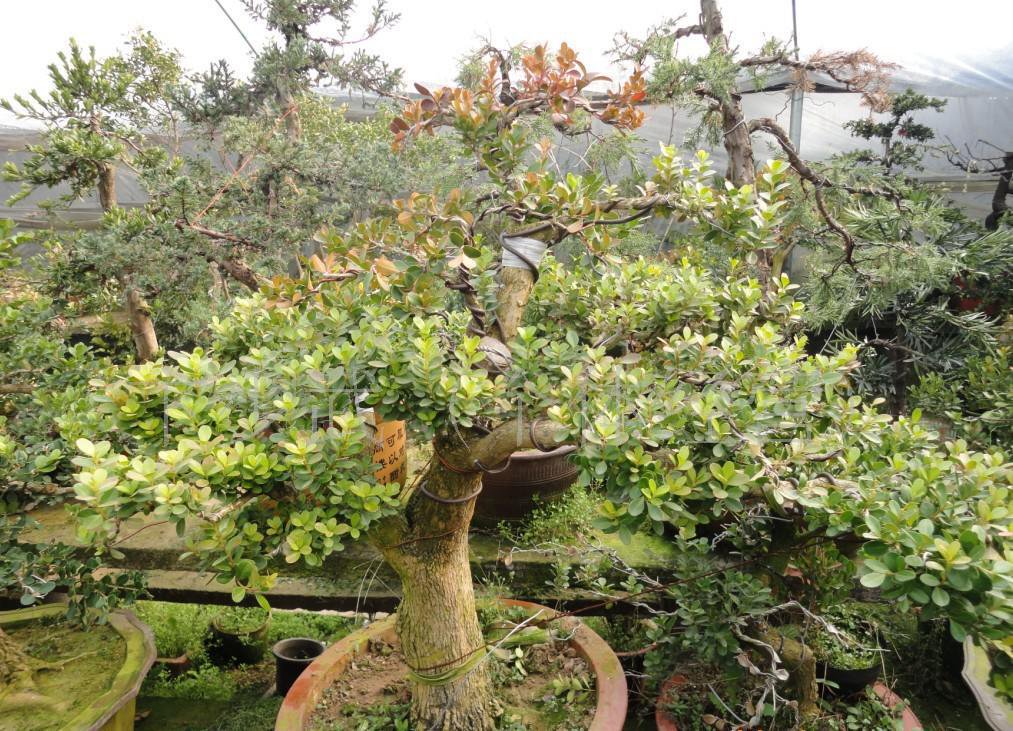
Boxwood bonsai prices have increased 6-fold in 3 years, the plant collection market is strengthening
When it comes to collecting, people usually think of traditional collectibles such as calligraphy and paintings, antiques, jewelry, and jade. Little do they know that plants can also be "collected." Three years ago, buying a boxwood bonsai with good shape, health, and visual appeal cost only 500 yuan. Now, buying the same bonsai costs around 3,000 yuan
-
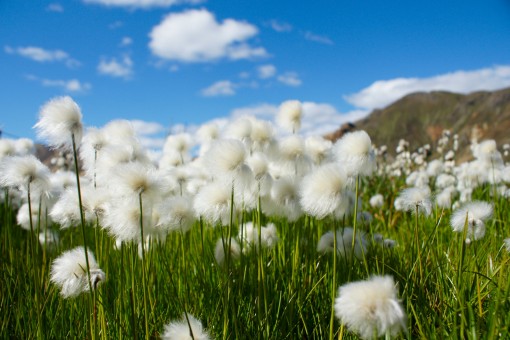
When to plant authentic heat-clearing dandelion seeds, plus yield per square meter and plant height
Dandelion, also known as Hua Hualang, Pu Gong Cao, edible dandelion, bed-wetting grass, Western dandelion, and mother-in-law's herb, is a common heat-clearing plant found on hillsides, grasslands, wild mountains, and wasteland. Because it is increasingly recognized by more people, the demand for it in cooking and medicine is very high.
-

How to prevent premature aging in cotton? Strengthening fertilizer and water management is key
Recently, some cotton field plants have shown a trend of premature aging, and countermeasures must be taken early to ensure a bumper cotton harvest. The main signs are red stems reaching the top of the cotton plant, with hard, inelastic stalks; prominent main stem growing points, making it difficult to extend new fruit branches and fruit nodes; faded leaf color and small new leaves; reddish-brown spots appearing on the middle and lower leaves of the cotton plant, with basal leaves withering; scorched leaf margins, and in severe cases, premature shedding. Causes of premature aging (1) Unfavorable weather. This year, cotton experienced severe drought in the early growth stage and waterlogging in the middle stage, resulting in poor root growth and a weak ability to absorb fertilizer
-
How to manage cotton during the bud and boll stage? Strengthening management is key
Bud stage management: After cotton enters the bud stage, all regions should manage according to the seedlings, with classified management. For first-class cotton fields, where cotton plants have vigorous vegetative growth, reasonable regulation should be carried out to shape an ideal plant type and promote early boll setting, more bolls, and large bolls; for second-class cotton fields, promotion and control should be combined to encourage cotton plants to build a high-yield framework early; for third-class cotton fields, which develop late and grow weakly, the method of promoting both water and fertilizer should be adopted to encourage cotton seedlings to grow early. Focus on the following aspects: 1. Grasp "four rush" management. For cotton fields interplanted in wheat fields, after harvesting wheat, promptly rush to water, rush to
-
How to strengthen cultivation and management during the cotton bud stage? Keep these technical key points in mind
After cotton transplanting this year, continuous drought and little rain, unstable temperatures, and a long seedling-hardening period seriously affected plant development. In addition, large populations of aphids and red spider mites caused severe damage, leading to a second seedling-hardening in cotton seedlings, with a few seedlings showing red stems all the way to the top and true leaves drying up and falling off. Recent rainfall has alleviated the drought, and seedling conditions have begun to improve. Transplanted cotton now has 7-9 true leaves and has begun to form buds, and cotton after wheat (rapeseed) has also begun to develop, but overall seedling conditions are not as good as in previous years. The bud stage is the most important period in the life of cotton, and the following cultivation and management measures should be emphasized
-
How to manage cotton in the mid-to-late stage? Hebei strengthens technical guidance
At present, spring-planted cotton in Hebei Province is successively entering the flowering and boll-setting stage from south to north. Due to a good sowing foundation, timely field management, abundant early rainfall, and sufficient sunlight, the cotton in Hebei Province has a neat plant type, steady growth, relatively light pest and disease damage, and field growth is generally better than in previous years. Recently, the provincial cotton expert advisory group conducted a field survey of cotton in 21 counties (cities) across 4 cities: Handan, Xingtai, Hengshui, and Cangzhou. According to the survey, the average plant height is 60-70 cm, the number of main stem leaves is 15-17, and the number of fruiting branches is 8-12. The growth and development process is basically normal, and a foundation for high yield has been established.
-
How to manage cotton after rain? Strengthening management by category is key
In view of the current complex state of cotton seedling growth, in order to promote balanced growth and enhance staying power, corresponding measures should be taken with guidance by category, management should be strengthened, and efforts should be made to fight disasters and secure a bumper harvest. 1. Seize the season and quickly supplement fertilizer. Applying topdressing quickly is the main contradiction in cotton management, but it must be implemented by category. For cotton that has already flowered and set bolls, apply flower-and-boll fertilizer heavily, with 15 kg of compound fertilizer, 10 kg of urea, and 15 kg of potash fertilizer per mu; for cotton entering the full bud stage, apply 2000-2500 kg of decomposed organic fertilizer per mu, or biological organic
-
7 Reasons for Yellowing Cyclamen Leaves, Fertilizer, Water and Light Are the Main Factors and Care Needs to Be Strengthened
As a highly ornamental flower, many people choose to grow cyclamen at home. However, indoors is not the same as outdoors, and there are many things to pay attention to. With the slightest negligence, cyclamen will get sick, and symptoms such as yellowing leaves will appear. So what should you do when cyclamen leaves turn yellow? It is actually very simple
-
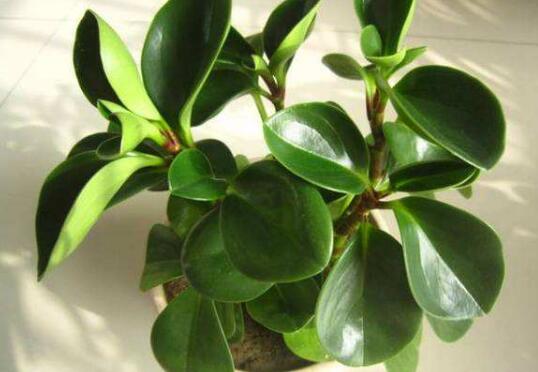
How often should you water Peperomia obtusifolia? Wait until the soil is on the dry side, then water thoroughly.
When it comes to watering Peperomia obtusifolia, some people think you should not water it at all, some think you should water it sparingly, and others think you should water it frequently. In fact, none of these views is entirely correct, because the watering strategy differs from season to season. So how often should you water Peperomia obtusifolia? Let us tell you the answer.
-
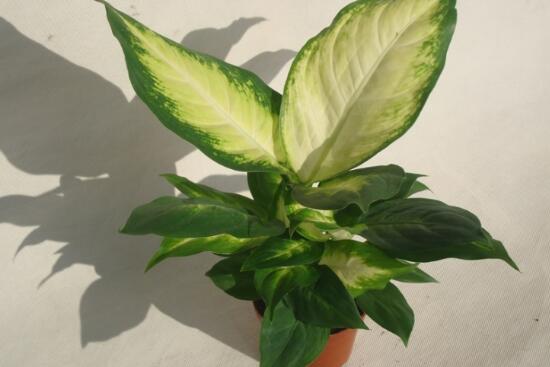
What to do about cold damage in Dieffenbachia? Warm it up, prune, then apply plant ash to the wounds
Dieffenbachia (also known as dumb cane) is currently one of the most popular foliage plants. Although it is toxic, it is kept as a potted plant in many homes because it looks good and has strong benefits. However, because many flower lovers are beginners, they do not know that Dieffenbachia is sensitive to cold, so they fail to provide adequate winter protection, ultimately causing the Dieffenbachia to suffer cold damage
条件筛选