-
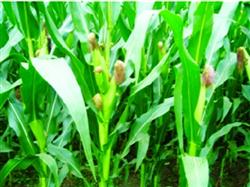
Planting spring corn requires good seed plus good methods
Fresh-eating type corn is generally divided into sweet corn and waxy corn; it has a unique flavor, is rich in nutrients, has a large market capacity, high yield and good returns. When grown as spring corn, it takes about 90 days from sowing to fresh ear harvest and does not affect the planting of hybrid late rice. To grow spring fresh-eating type corn well, the following points should mainly be grasped: first, choose...
-
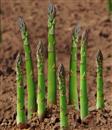
Spring Asparagus Planting: Seedling Raising Methods and Key Technical Points
How do you raise seedlings for spring asparagus planting? Please advise. Asparagus production generally adopts seedling raising and transplanting. Centralized seedling raising and transplanting gives a high emergence rate, can save seeds, lower costs, facilitates centralized management, helps prevent and control pests and diseases and cultivate strong seedlings; it can extend the growing period in the planting year and increase the yield in the second year; when transplanting, the seedlings can be...
-
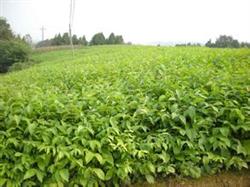
Spring Propagation Methods and Technical Key Points for Walnut Seedlings
1. Seed selection: Choose fully mature seeds from superior varieties, as this ensures a high germination rate. That is, at the time of walnut harvest, those whose husks (green skin) have split open and fallen off on their own, or those whose husks have not split open and fallen off about half a month past the maturity period. 2. Seed treatment: In early March, subject the seeds intended for propagation to sand storage treatment...
-

Key Points of Fertilizer and Water Management During the Spring Growth Stage of Direct-Seeded Rapeseed
Fertilizer and Water Management During the Spring Growth Stage of Direct-Seeded Rapeseed ⟦3 (Agricultural Wealth Network) 1. Apply bolting fertilizer early. The application rate of bolting fertilizer is generally about 10 kg of urea per mu. 2. Clear ditches and drain waterlogging. Excessive soil moisture will cause damage to all organs of the direct-seeded rapeseed plant, and is especially unfavorable to root growth and the maintenance of root vitality. Therefore, preventing waterlogging in spring is an important condition for ensuring stable spring growth of direct-seeded rapeseed, maintaining root vitality, controlling the occurrence of sclerotinia stem rot, and preventing premature senescence. The main measure for preventing waterlogging is to regularly clear the ditch systems inside and outside the field, keep the ditches unobstructed, and prevent standing water in the field after rain.
-
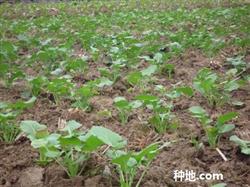
Key Technical Points for Spring Field Management of Rapeseed
How should rapeseed fields be managed in spring? Please advise. The bolting stage of rapeseed is a period of vigorous growth in both vegetative and reproductive development, known as "spring rapeseed fierce as a tiger." Due to the low temperatures and low rainfall in early spring this year, the growth and development of rapeseed has been slow, with weak growth vigor. To promote stable spring growth of rapeseed, coordinate vegetative growth and...
-
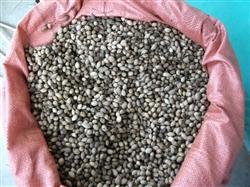
Detailed Explanation of Spring Seed Propagation Methods for Japanese Honeysuckle
Harvest black fruits in January. After harvesting, pile them at a thickness of 30 cm and let them undergo after-ripening for 5-7 days, then put them in clean water and rub and wash away the fruit skin and flesh, and dry them in a shaded place. Avoid direct sunlight, then winnow away the shriveled seeds and store them for later use. Seed treatment: before sowing, soak the seeds in warm water at 35-40°C for 24 hours, take them out and mix with...
-
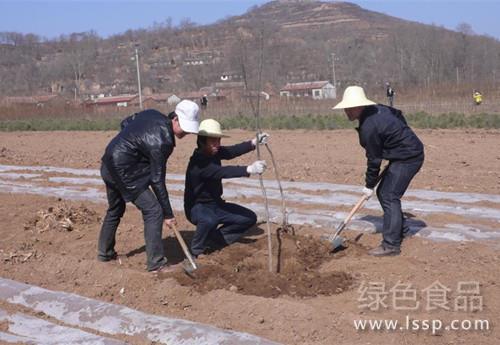
Spring planting of walnuts should be early rather than late: key points for spring planting of walnut seedlings
Spring planting of walnuts should be early rather than late: key points for spring planting of walnut seedlings
-
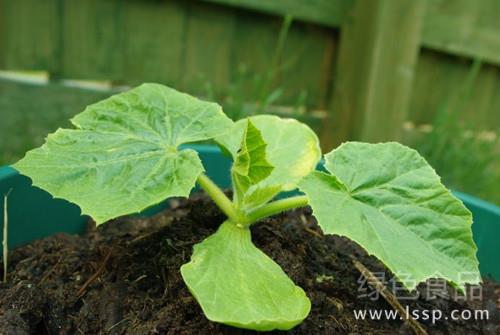
February marks the vegetable seedling season: three points to note when raising early-spring pumpkin seedlings
February is the vegetable seedling season: three points to note when raising early-spring pumpkin seedlings
-
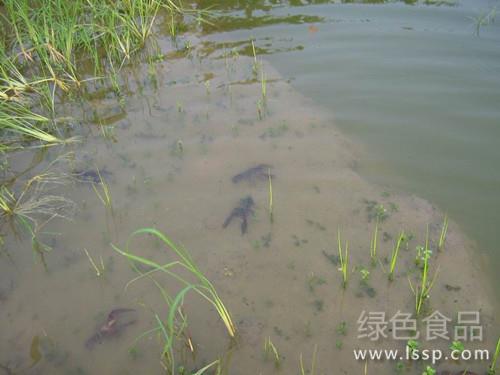
Key points for spring seedling rearing after juvenile red swamp crayfish leave the mother and live independently
Key points for spring red swamp crayfish seedling rearing after juveniles leave the mother and live independently
-
Spring rapeseed sclerotinia stem rot control methods and technical key points
Control of rapeseed sclerotinia stem rot in spring
条件筛选