February marks the vegetable seedling season: three points to note when raising early-spring pumpkin seedlings
By taking advantage of the pumpkin's relatively strong ability to grow at low temperatures, cultivating it in arched sheds in early spring allows it to reach the market earlier, fill a gap in the market, and achieve high returns. February is the season for raising early-spring pumpkin seedlings. Below are the key technical points for raising pumpkin seedlings in a greenhouse or a sunken cold bed, for growers' reference.
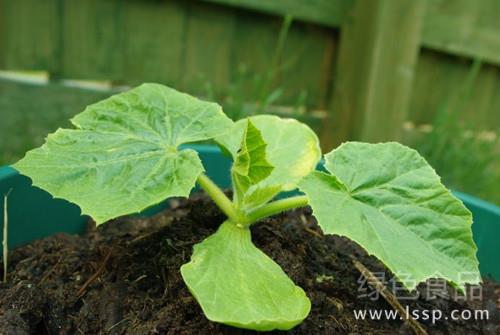
Pumpkin seedling raising
I. Seed soaking and germination:
Pour 100°C hot water over the pumpkin seeds for 5 seconds, immediately add cold water to bring the temperature down to 40°C-45°C, stir for half an hour, then soak in clean water for 8-12 hours. During this time, rinse the seeds with 30°C warm water 2-3 times to remove the mucilage on the seed surface. After removing the seeds, let them dry for two hours, and once the seed surface is dry, proceed with germination. During germination, keep the temperature at 28°C-30°C. After 2-3 days, when the sprout reaches 0.2-0.5cm and the radicle emerges, commonly known as "whitening," the seeds can be sown. The seeding rate is generally about 200 grams per mu.
II. Sowing at the right time:
In North China, early-spring pumpkin seedlings are raised in a greenhouse or a sunken cold bed, and the suitable sowing period is from late February to early March. Seedling trays are commonly used. Before filling the trays, mix 2 kg of 40% carbendazim powder per cubic meter of seedling substrate for disinfection. Spray the seedling substrate with clean water until the moisture content reaches 70%. When filling the trays with substrate, leave a 2cm-deep space at the top of each cup. Sow 1 germinated seed per seedling cup, cover with 2cm of expanded vermiculite, then cover the seedling tray tightly with plastic film. Alternatively, germinated seeds can be sown directly in the field.
III. Seedling stage management:
After sowing, keep the daytime temperature at 25°C-30°C and the nighttime temperature at 18°C. When 60% of the seeds have pushed through the soil, remove the plastic film and lower the daytime temperature to 20°C-25°C and the nighttime temperature to 12°C-15°C to prevent leggy seedlings. When the central leaves reach 2cm in length, keep the daytime temperature at 25°C-28°C and the nighttime temperature at about 15°C. During the seedling-raising period, spray with clean water once every 5 days. One week before transplanting the pumpkin seedlings, begin increasing ventilation for hardening off to improve the survival rate. When the seedlings have two true leaves and one heart leaf, transplant them together with the seedling substrate.