-

Symptom Identification and Control Methods for Spruce Snow Blight
[Distribution and Damage] Abroad, it is distributed in North America, Northern Europe and Central Asia, damaging Norway spruce (Picea abies), white spruce (P. glauca), black spruce (P. mariana), etc. In China, it is distributed in the Tianshan Mountains, the Altai Mountains, the western mountains of the Junggar Basin and the Kunlun Mountains. It damages Schrenk spruce (P. schrenkiana), Siberian spruce (P. obovata), Qinghai spruce (P. crassifolia) and Sichuan spruce (P. balfouriana).
-
How to prevent and control spruce snow blight? A detailed guide to practical methods
Snow blight damages spruce needles, turning diseased needles reddish-brown. Snow blight develops under snow; ascospores invade spruce needles covered by snow, mature each year from September to October, and then spread by wind and rain. Observations show that in young stands after artificial regeneration and reforestation, the dense planting of the past created a "hand-in-hand" situation, and once the disease breaks out it spreads especially severely; after half of a plant's needles are infected, lose their green color and turn reddish-brown, the entire plant dies. The uncrowned regeneration land at Tekes Forest Farm covers nearly 2666 hectares. In order to ensure the
-
Symptom Identification and Control Methods of Spruce Snow Mold
[Distribution and Damage] This disease occurs in North America, Northern Europe, Japan and other countries, damaging tree species such as fir (Abies), spruce (Picea), and Japanese cedar (Cryptomeria fortunei). In China**, it is distributed in the western Tianshan Mountains, the western Junggar Mountains, and the Altai Mountains and other forest areas. The main affected areas include Gongliu, Yining, Tacheng and other places. In severely affected nurseries, the annual loss rate is 33-62%. In artificially regenerated young forests, this disease is also very serious, especially when using small seedlings, weak seedlings, and diseased
-
Winter Snow Honey Peach is a rare new extremely late-ripening peach variety
Winter Snow Honey Peach is a rare new extremely late-ripening peach variety selected and bred in 1986 from Qingzhou Honey Peach. With its unique advantages, it has attracted widespread attention and welcome from numerous fruit tree experts and the vast number of fruit growers. This peach is currently the valuable variety resource among late-ripening peaches in China with the latest ripening period, the strongest storage tolerance, and the best quality, and it has broad development prospects. 1. Extremely late ripening period. It ripens in early to mid-November, that is, between the Beginning of Winter and Light Snow. The fruit can tolerate slight frost. As long as frost damage does not occur, it can remain hanging on the branches without falling or rotting, and it is currently
-
Technical measures for snow and freeze protection of mulberry trees, tea trees and fruit trees
I. Fruit: (1) Citrus: Before freezing, spray an anti-transpirant insulation agent on the tree canopy, and light smoke in the orchard to improve the freeze protection effect. For citrus affected by freezing injury, promptly remove curled, frost-killed leaves and withered shoot tips, bandage branches damaged by snow pressure, prune and shape branches broken by pressure, treat wounds with a wound protectant, promptly spray foliar fertilizer, and strengthen fertilizer and water management. For lightly frozen trees, apply 0.5% urea as a foliar topdressing 2-3 times; for severely frozen trees, it is advisable to apply light fertilizer multiple times in split applications. (2) Loquat: Insulate the tree disk by hilling soil or covering it with rice straw;
-
Raw-pack method for making Snow Pear cans
Raw-packed Snow Pear cans have a white color, a sweet and sour refreshing taste, a crisp and tender texture, and a rich flavor, making them a canned variety excellent in color, aroma, and taste. Compared with the traditional cooked-pack process, the raw-pack process can reduce steam consumption by 30%, pear loss by 10%, cost per ton by 5%, and increase flesh crispness by 80%. (1) Process flow: raw material acceptance -> cleaning -> stem removal and peeling -> cutting and coring -> trimming -> sorting -> filling into cans -> syrup addition -> exhausting and sealing -> sterilization and cooling -> storage (2) Production method 1
-
Detailed Introduction to the New Celery Variety Snow-White Solid Celery
The following variety was bred and developed by Sichuan Zhongdu Seed Industry Co., Ltd. Characteristics and traits of Snow-White Solid Celery: This variety is a new-generation variety developed through directional single-plant selection after years of population mixing. Its quality, disease resistance and high yield are superior to other similar varieties, and the plant can reach 70 cm in height. The leaves are tender green and large, the petioles are broad and thick, solid, with deep ventral grooves, snow-white and crystalline, crisp and tender in taste, with a strong aroma. It is heat-tolerant and cold-resistant, grows fast, has strong vigour, and can be cultivated in all four seasons. With its "unique snow-white crystalline appearance and rich aroma", it is deeply
-
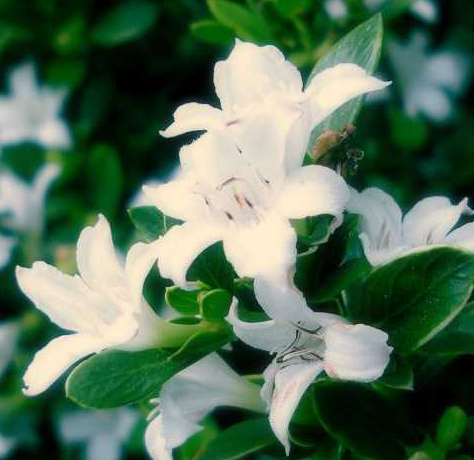
What are the care methods for potted Serissa japonica (snowbush) at home?
Potted Serissa japonica is a favorite flowering plant for many households, and its care requires attention to the following points: 1. Watering. Do not water if the soil is not dry; if the potting soil stays moist for a long time, it can easily cause root breathing difficulty and root rot leading to death. At the same time, spray water on its leaves 1-2 times a day to maintain air humidity. 2. Fertilizing. Emphasize frequent light
-

Snow falls in Pingtung, pink Christmas party romance overload
The 2018 Pingtung Christmas is super pink and super romantic! The Pingtung County Government brought in the trendiest pink storm, dressing up the century-old Pingtung Park as a "Pink Christmas" feast. More than 10 sets of special light installations plus a carousel are set up in the park, and the romance index is off the charts...
-
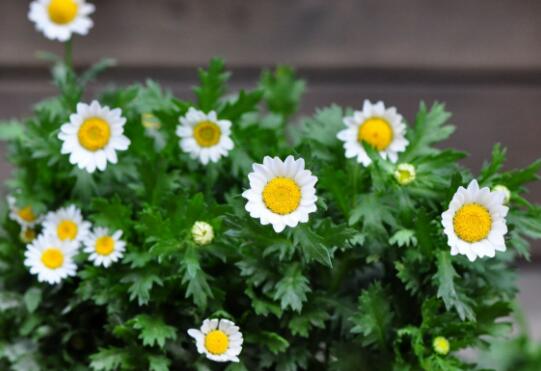
How to grow snow daisies and the points to note, keep temperature under control when caring for them
The snow daisy is a flowering plant native to Europe that was later introduced to our country, and today it can be seen in many regions of our country. However, it is not easy to grow it well, and there are many things we need to pay attention to. How do you grow snow daisies? What are the growing methods and points to note for snow daisies
条件筛选