-
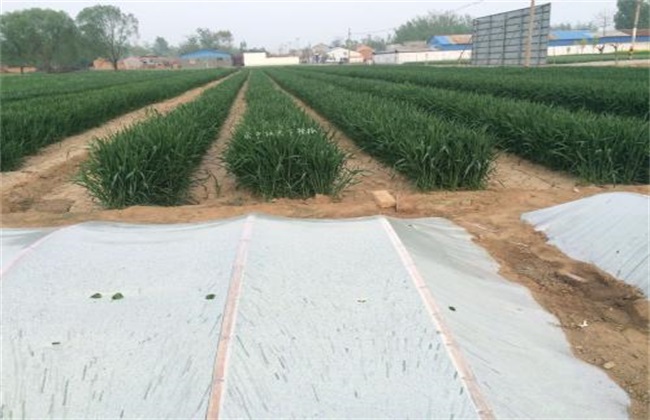
Wheat Stubble Small Chili Pepper Planting Methods and Technical Points
Wheat Stubble Small Chili Pepper Planting Methods
-
-
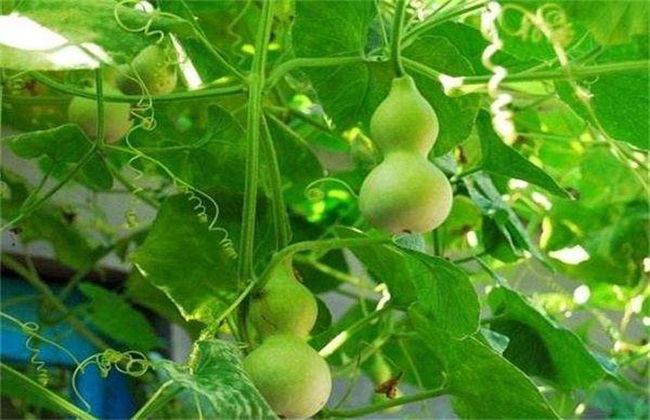
Detailed Guide to the Planting Methods and Care Techniques of the Small Bottle Gourd
Planting Methods for the Small Bottle Gourd
-
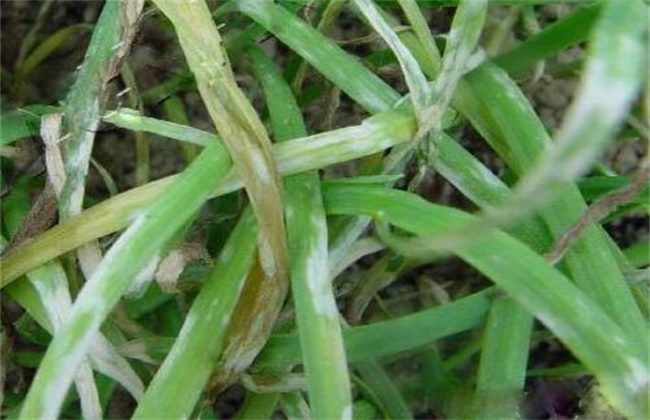
What to do if chive leaves are thin and small? Causes and solutions
Causes of thin and small chive leaves and solutions
-
A small traditional Chinese medicine folk remedy for curing nasal polyps with vegetables
Method for curing and eliminating nasal polyps: dry lotus root nodes in the sun, burn them to ash, grind into a fine powder, take an appropriate amount each time and stuff it into the nostrils, twice a day, results in three days, and the nasal polyps can...
-

Potato cultivation under small arch shelters can bring an earlier harvest to market
When potatoes are grown under small arch shelters, harvesting can generally begin around late March of the following year, about 20 days earlier for market than potatoes grown in open fields, with a net income of 800-1200 yuan per mu. Choose extra-early-maturing varieties such as Dongnong 303. From emergence to the point when they can be dug, Dongnong 303 generally needs only about 80 days. It has strong growth vigor, oblong tubers, yellow skin and yellow flesh, smooth skin, dense tissue, shallow eyes, medium-sized tubers that are fairly uniform, concentrated tuber set, and good quality.
-
16% Exianqing is the first choice for controlling rice "small panicle head"
For many years, in some major rice-producing areas such as Jiangsu, the phenomenon of "small panicle head" (also called small-grain distorted panicle) has appeared continuously over many years under multiple varieties, multiple planting levels, and multiple ecological conditions in large-scale production. Its characteristics are: small panicles, small glumes, cracking of the inner and outer husks after grain filling, partial exposure of rice grains, and small grains with dark brown color. It is especially severe in the Lixiahe area, coastal areas, along the Huai River, along the Yangtze River, and hilly areas of Jiangsu Province. It is estimated that in recent years the affected area in Jiangsu Province alone has been about 100,000 hectares each year, reducing rice output by more than 100 million kg, and cumulatively causing about 500 million kg of rice yield loss.
-
Garlic "throwing small braids" phenomenon needs early prevention
In recent years, garlic has every year exhibited the phenomenon of "throwing small braids" due to various reasons. Scientifically speaking, this is the secondary growth of garlic, a major physiological phenomenon that affects garlic yield and quality, and it is also a problem of widespread concern among farmers in garlic-growing areas. In some plots, it can even cause widespread total crop failure of garlic, and its causes are relatively complex. As an agricultural technician providing postal services for agriculture, rural areas and farmers, the author now introduces the main causes and control measures as follows: 1. Select varieties suitable for local cultivation.
-
Introduction to the Characteristics and Cultivation Techniques of Taiwan Small Tomato Varieties
Taiwan small tomato varieties include "Yasu No. 2" and "Ruby No. 1", which are cold-tolerant and resistant to high temperatures, growing normally at temperatures between 0°C and 35°C. These varieties have a long growth cycle and generally continue to bear fruit for 1.5 to 2 years. They fruit in clusters, with about 30 fruits per cluster. The fruit is heart-shaped, bright red in color, smooth and attractive. Experimental planting has shown that each plant yields more than 10 kg, with a yield of up to 20,000 kg per mu and an income of up to 80,000 yuan per mu.
-
Detailed Explanation of Key Cultivation Techniques for Small Hot Peppers in High Mountain Areas
I. Variety Selection Select pepper varieties with good yield performance and strong resistance according to market demand. II. Raising Strong Seedlings 1. Seed Treatment Before sowing, sun-dry the seeds for 4-6 hours, then soak them in 55°C warm water for 15 minutes, stirring continuously until the water temperature drops to 30°C, then let them soak undisturbed for 8-10 hours, wash off the sticky liquid on the seed coat, float away the shriveled seeds, rinse thoroughly with clean water, and dry in the shade. 2. Seedbed Preparation and Sowing Sowing in late March to early April is preferable. Choose at least 3
条件筛选