Wheat Stubble Small Chili Pepper Planting Methods and Technical Points
The planting area of small chili peppers in our country is relatively large, and when planting small chili peppers, spring planting is generally the main approach. In recent years, however, small chili pepper planting has generally been based on wheat stubble. Although the yield of wheat stubble small chili peppers is not as high as that of spring stubble. There are few spotted peppers, and the multiple cropping index and economic benefits are both very good. So how should wheat stubble small chili peppers be planted? Today, the editor brings you the planting methods for wheat stubble small chili peppers. Let's take a look together!
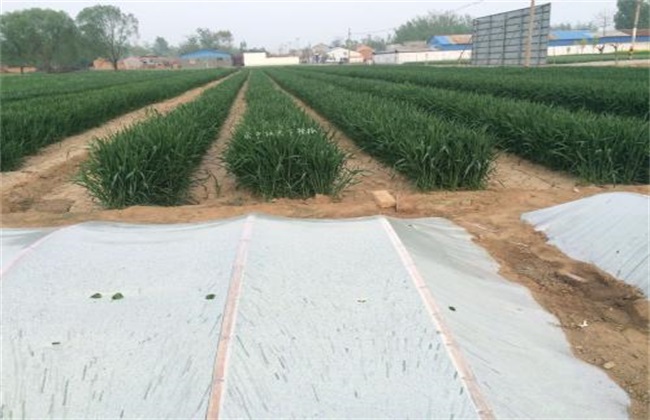
1. Seed Selection and Seedling Raising
To plant wheat stubble small chili peppers, we first need to select good varieties. The varieties should mainly be those with a compact plant type, early maturity, and good pepper fruit shape. Then attention should be paid to doing a good job in seedling raising. The seedling raising time should be about three weeks later than that of spring stubble small chili peppers, generally carried out around Qingming Festival. First water the seedbed, and after the water seeps into the soil, evenly scatter the seeds on the seedbed. Attention should be paid to controlling the sowing amount, and not sowing too much, to avoid thin and weak seedlings and affect seedling recovery after planting. After sowing, cover with a layer of fine sandy soil about 1 cm thick, and cover with plastic film. Then during the seedling stage, attention should be paid to doing a good job in weeding, and appropriately ventilating later.
2. Timely Field Planting
When planting chili peppers, be sure not to plant them in continuous cropping, so the field for planting must be guaranteed not to have grown chili peppers in the previous three crops. Sandy loam soil with high terrain, dryness, and normal drainage and irrigation should be selected for planting. When planting, in order to ensure sufficient nutrients for the chili peppers, wheat should be harvested as early as possible, and the stubble should be destroyed and the land prepared as soon as possible. When preparing the land, an appropriate amount of superphosphate, ammonium bicarbonate, and other fertilizers should be applied as base fertilizer, and the soil should be rotary tilled about three times. Because the growth cycle of wheat stubble small chili peppers is relatively short, and the nutritional area of each plant is not large, appropriate dense planting should be carried out, and watering should be done immediately after planting to ensure the survival rate.
3. Field Management
After the seedlings recover, attention should be paid to doing a good job in intertillage and weeding. Generally, after entering the full branching stage, earth up about twice to promote the growth of lateral roots and avoid waterlogging damage. Then attention should be paid to doing a good job in fertilizer and water management. Wheat stubble small chili peppers should not be topdressed too much, especially nitrogen fertilizer, otherwise it is easy to affect the later reddening of the small chili peppers and reduce their commercial value. During the branching stage, an appropriate amount of compound fertilizer should be applied per mu. When carrying out pest and disease control later, an appropriate amount of foliar fertilizer should be sprayed. Finally, the drought and waterlogging tolerance of small chili peppers is relatively poor, so when there is drought, water should be timely, and during the rainy season, attention should be paid to doing a good job in drainage to avoid water accumulation.
4. Pest and Disease Control
Common diseases in the growth of small chili peppers include leaf drop disease, viral disease, and others. The occurrence of most diseases is greatly related to weather and environmental conditions. Small chili peppers planted in low-lying areas are extremely prone to disease when encountering high-temperature and high-humidity environments. Therefore, attention should be paid to doing a good job in prevention and control, and pesticides such as mancozeb and thiophanate-methyl can be appropriately used. Then attention should be paid to the control of pests such as aphids, improving the growth of small chili peppers, and rationally using pesticides such as imidacloprid for control.
The above is a brief introduction to the planting methods for wheat stubble small chili peppers. That is all for today's introduction. This article is for reference only, and I hope it can help everyone!