Detailed Guide to the Planting Methods and Care Techniques of the Small Bottle Gourd
The small bottle gourd is a climbing herbaceous plant in the Cucurbitaceae family, entering its flowering period around June each year. The small bottle gourd has very high ornamental value, and the gourd fruit can be used medicinally. After the fruit matures, it gradually becomes lignified and can also serve as a toy for children. The oil extracted from gourd seeds can also be used to make soap. So how should the small bottle gourd be planted? Below, the editor brings you the planting methods for the small bottle gourd. Let's take a look!
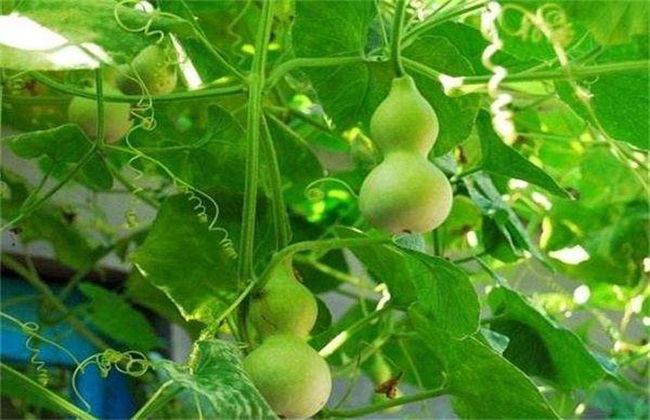
1. Soil Selection
The small bottle gourd actually has relatively strong adaptability to soil, and it exists in the wild in many places. However, yield and fruit quality will be affected to some extent. So when planting the small bottle gourd, if the goal is yield and quality, then we should choose soil with high fertility, sufficient sunlight, normal drainage and irrigation, and resistance to compaction. Before planting, soil preparation work should also be done well: deeply plow the soil about 30 cm, then carry out disinfection work to eliminate pathogens and pests in the soil. Then apply sufficient base fertilizer according to the planting area and sow.
2. Propagation Methods
The propagation method of the small bottle gourd is mainly seed sowing, and the sowing time is generally around April each year. Choose a suitable planting method according to your own planting habits; either direct sowing or seedling transplanting is fine. Before sowing, we must first spread the seeds flat in a clean, dry place for sun exposure to promote seed germination. If the temperature is relatively low during seedling cultivation, then after sowing we should seal the mouth of the pot. When the seedlings grow to about 3 cm, uncover the covering, and finally transplant when the seedlings have grown about 5 leaves.
3. Watering and Fertilizing
The small bottle gourd has relatively high water requirements. We must not only ensure that the water needs of the small bottle gourd's growth are met, but also prevent excessive water from causing root rot and affecting growth. Therefore, we must ensure that the soil has good permeability, watering about once a day. After entering summer, because the temperature rises, water about twice. During the growth period, topdressing work should also be done well, and each topdressing should be carried out together with watering. After entering the budding stage, the proportion of phosphorus and potassium fertilizer should be increased to improve the fruit-setting rate of the small bottle gourd and enhance fruit quality.
4. Field Management
The small bottle gourd is a trailing plant, so when planting we should do a good job of trellising, and we can begin trellising when the small bottle gourd's branches and vines grow to about 30 cm. The side branches of the gourd can also bear fruit, so when the plant grows to about 100 cm, we should carry out topping at the place 3 nodes above the base, and branches without flower buds should be pinched off in time. Finally, the small bottle gourd is a cross-pollinated plant, so after entering the flowering period, attention should be paid to doing pollination work well to increase the fruit-setting rate.
The above is a brief introduction to the planting methods for the small bottle gourd. Planting the small bottle gourd is actually very easy, but care should also be taken not to do it blindly; strengthen management to improve the yield and fruit quality of the gourd. That is all for today's introduction. This article is for reference only, and I hope it can help everyone!