-
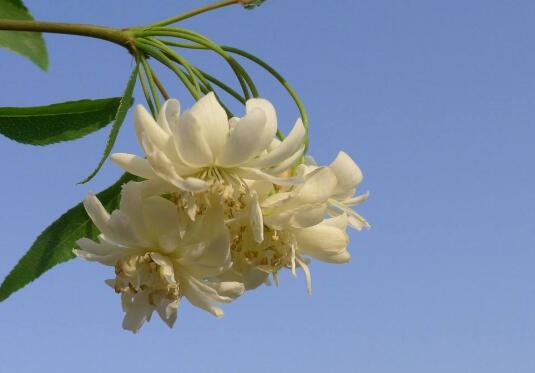
How to propagate Rosa banksiae (Lady Banks' rose) from cuttings? Good substrate drainage is key
Among the propagation methods for Rosa banksiae, there are five: seed sowing, cuttings, division, layering and grafting, among which propagation by cuttings is a relatively common method and also has a fairly high survival rate. So how do you take cuttings of Rosa banksiae? What is the cutting method for Rosa banksiae? Below, the editor will walk you through it.
-
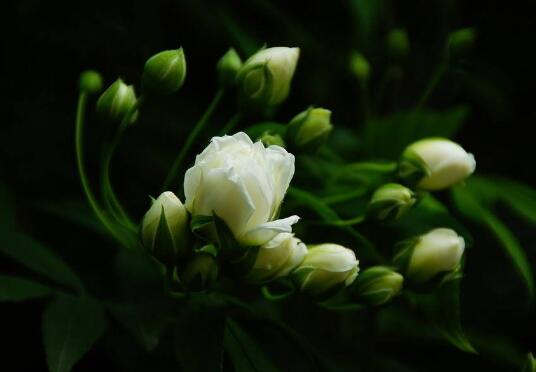
How to propagate Rosa banksiae? Seed sowing, cuttings, division, and layering all work
Rosa banksiae is a fairly common flowering plant in people's lives, and it is grown in many regions of China. However, as more people grow Rosa banksiae, questions about its propagation have also drawn more interest. How to propagate Rosa banksiae? What are the propagation methods for Rosa banksiae
-
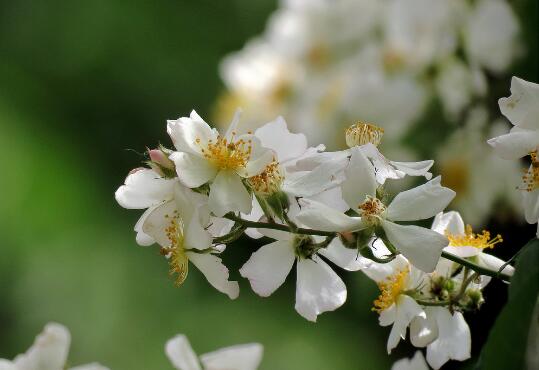
What to Do When the Rosa Rubus Gets Bugs: Pest and Disease Control and Response: 2 Pests, 2 Diseases
In the process of growing Rosa rubus, the last thing we want to encounter is pests and diseases. Such problems are extremely harmful to the plant, not only affecting its ornamental value, but in severe cases even causing the plant to wither and die. So what should you do when the Rosa rubus gets bugs? And how should pest and disease control for Rosa rubus be done?
-
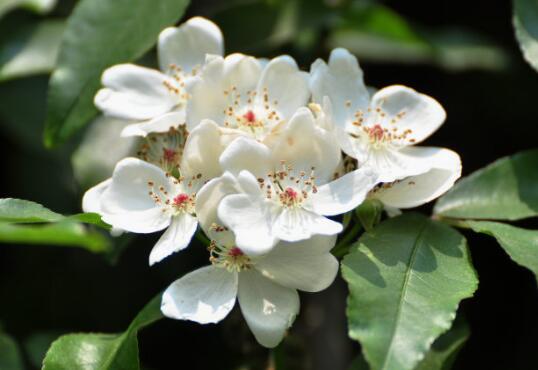
How does the Rosa rubus propagate? Mainly by cuttings
The Rosa rubus is a fairly common ornamental flowering plant in people's lives, and many people grow it in various parts of China. As more people grow it, questions about its propagation have also become a concern. How does the Rosa rubus propagate? What are the propagation methods of the Rosa rubus
-

What is Rosa chinensis also called? Cultivation methods beginners need to master
People who have grown Rosa chinensis may know that it has strong vitality. It has a very strong vigor and wide adaptability, and its requirements for soil are not very strict, so many flower enthusiasts now like this plant very much
-
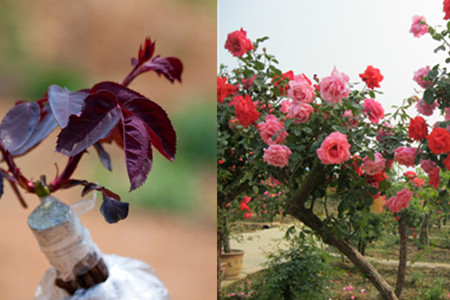
What tree is used to graft roses? Both Rosa multiflora and Rosa rugosa can be chosen
Everyone is surely familiar with grafted roses. Grafting takes a fresh branch of a rose and grafts it onto the rootstock of another variety, so that the characteristics of the two plants blend together and produce even more brilliantly colorful roses
-
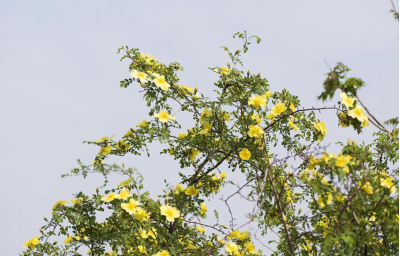
What are the cultivation methods and precautions for Rosa xanthina?
I. Fertilizing First, it is necessary to apply one to two spadefuls of decomposed compost as a base fertilizer in the hole where the Rosa xanthina seedling is placed. Note here that after planting, Rosa xanthina needs to have a fairly large number of branches pruned and to be watered thoroughly, then watered again after about 3 days; this can greatly increase the survival rate of the young Rosa xanthina seedlings.
-
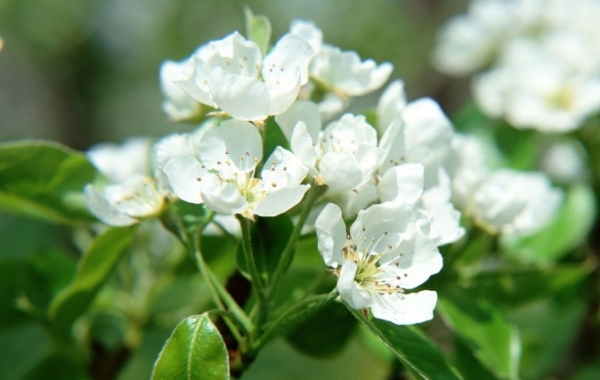
What are the key points for growing Rosa rubus?
Rosa rubus is usually watered once a week, and the soil should be kept moist. In addition, the growing season of Rosa rubus has a relatively large demand for nutrients, so we should fertilize in time to provide nutrients and promote its flowering and growth. Its suitable growing temperature is 20-28 degrees, and it is easy to cultivate
-
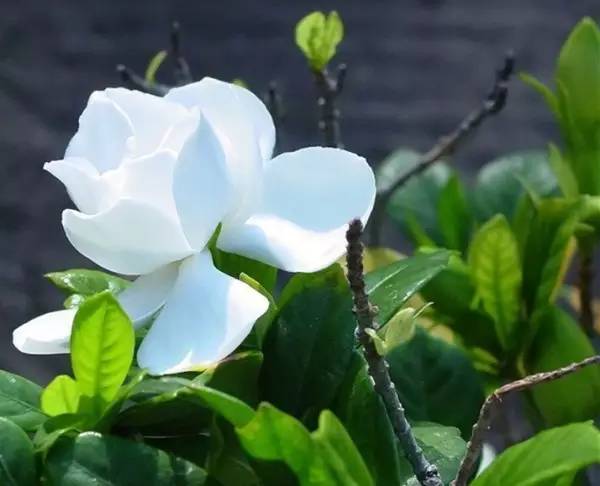
What are the cultivation methods and care tips for the Rosa rubus flower?
Temperature: The optimal growing temperature for the Rosa rubus flower is 20-28°C. It is easy to cultivate, tolerant of drought and partial shade, but not cold-resistant, so the temperature must be kept above 10°C in winter. Watering: The Rosa rubus flower is generally watered once a week. If grown outdoors, watering can be adjusted according to weather conditions. Be careful to keep the soil moist.
-
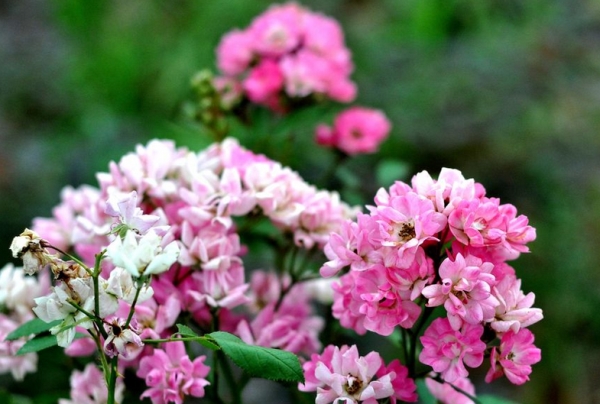
How to propagate Rosa rubus? Master the common methods in one article
Rosa rubus can be propagated by layering or cuttings. Note that the spacing between planted specimens should be no less than 2 m. From early spring budding until flowering, water appropriately 3-4 times according to weather conditions, water frequently, and keep the soil moist. Insufficient light or excessive drought will lead to a reduction in the number of Rosa rubus flowers
条件筛选