What are the key points for growing Rosa rubus?
Rosa rubus is usually watered once a week, and the soil should be kept moist. In addition, the growing season of Rosa rubus has a relatively large demand for nutrients, so we should fertilize in time to provide nutrients and promote its flowering and growth. Its suitable growing temperature is 20-28 degrees, and it is easy to cultivate.
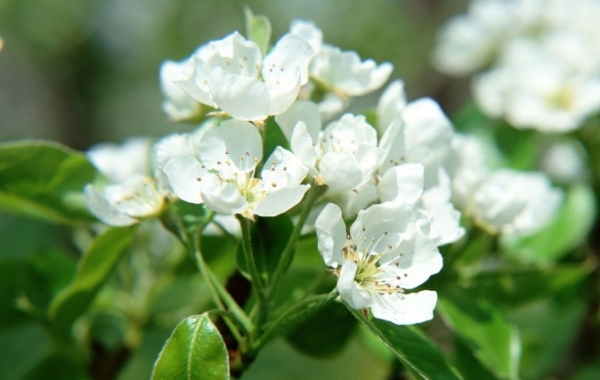
Although the flower language of Rosa rubus is sad, it has health benefits, is good for people's health, and holds a relatively high status in medicine. Hurry and plant a pot at home!
Growing methods and key points for Rosa rubus
Propagation methods for Rosa rubus
Its commonly used propagation methods are generally cuttings or layering, which are similar to those for Chinese rose, but its management can be a bit more extensive than that for Chinese rose. For household potted plants, the cutting method is best: cut a few sections of branches directly from outdoors and insert them into a flower pot, one plant per pot.
Watering methods for Rosa rubus
Rosa rubus is drought-tolerant and afraid of waterlogging. From early spring sprouting to flowering, it should be watered according to weather conditions, generally 3-4 times a month, keeping the soil moist but not waterlogged. Pay attention to replenishing water during the beginning period; if watering is not timely, the number of flowers will be greatly reduced.
In summer, the temperature is relatively high and water evaporates quickly, so water appropriately 2-3 times.
In autumn, water 2-3 times as appropriate, and do not let water accumulate at the roots, otherwise the roots will rot very easily.
Fertilizing methods for Rosa rubus
At the beginning of planting, sufficient base fertilizer can be applied, and when the flowering period arrives, appropriate fertilization can be carried out.
Generally, topdressing is done 1-2 times during the bud stage, using diluted cake fertilizer water, which can ensure good flower color and a long flowering period.
Pruning methods for Rosa rubus
Prune once a year before spring sprouting; moderate pruning is sufficient. According to the size of the flower pot, keep the branches within an attractive range and cut off overly long and overly dense branches. This encourages new branches to sprout and constantly renews the old plant, so it can bloom abundantly year after year.
At the same time, during pruning, check the condition of the lateral buds on the branches; keeping 3-5 buds on each lateral branch is sufficient.
Growing methods for Rosa rubus
Temperature
The suitable growing temperature for Rosa rubus is 20-28 degrees. If the summer temperature exceeds 35 degrees, we must sprinkle water on it to cool it down. When growing it indoors, we must avoid direct sunlight.
Fertilization
During its growing season, Rosa rubus has a relatively large demand for nutrients, so we should fertilize in time to provide nutrients and promote its flowering and growth. However, when fertilizing, we should note that applying excessive nitrogen fertilizer may cause root burn, so when fertilizing we must be sure to add some phosphorus and potassium fertilizer and use less nitrogen fertilizer.
Although the flower language of Rosa rubus is sad, it also has many values that we do not know about!