-
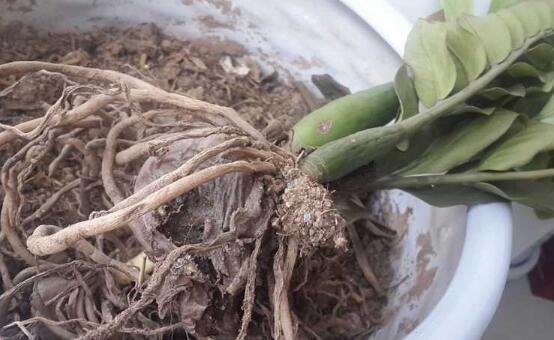
What to Do If a Money Tree Has Root Rot? The Remedy Is to Cut Away the Rotten Roots and Replant
The money tree, named for its coin-shaped leaves, is a beautiful foliage plant. In daily life, many people keep a pot of money tree at home, not only because it looks nice, but also because it carries an auspicious meaning. However, during cultivation, for various reasons, the money tree can develop root rot, which affects its ornamental value
-
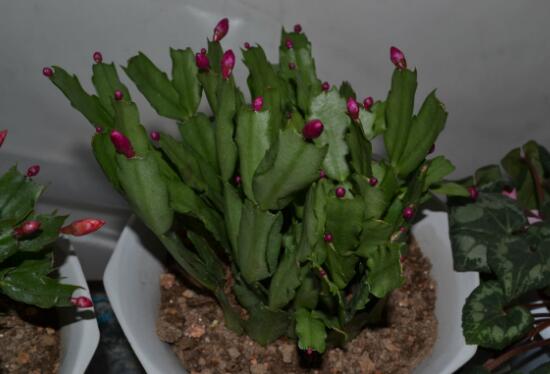
What to do when a dragon bone plant (Euphorbia tirucalli) has root rot? Cut off the rotten roots, replace the soil, replant, and control water and fertilizer
Dragon bone plant, also called measurement-of-heaven ruler (Euphorbia tirucalli), does the name not sound very imposing? Actually, imposing is just one of its traits. It is said that the dragon bone plant has strong efficacy, not only does it look good, but it also has certain medicinal value. Such a plant is naturally kept at home by many flower lovers, but during the cultivation process
-
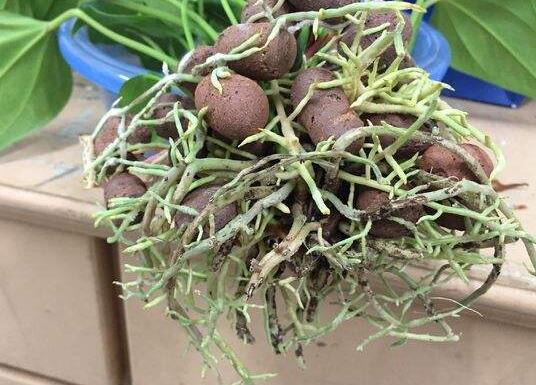
What to Do When Anthurium Roots Rot, Leaves Turn Yellow, and the Spathe Turns Black
The roots of the anthurium are the main part through which it absorbs nutrients and water. Once they rot, the plant's growth will slow down, and if the rot is severe, it may even cause the plant to die. Therefore, when growing it, you must avoid this situation. But what should you do if the anthurium roots rot? Let me tell you the causes and solutions.
-

What to Do About Root Rot in Ginger Lilies? Trim Off the Rotten Roots and Some Leaves, Replant, and Strengthen Prevention
The roots of the ginger lily are rather fragile. If watering is done carelessly during cultivation or if there is a problem with the soil, the roots may be damaged or even rot. Once this happens, the ginger lily may wither and die. So what should you do about root rot in ginger lilies? Let me tell you the causes and the solutions.
-
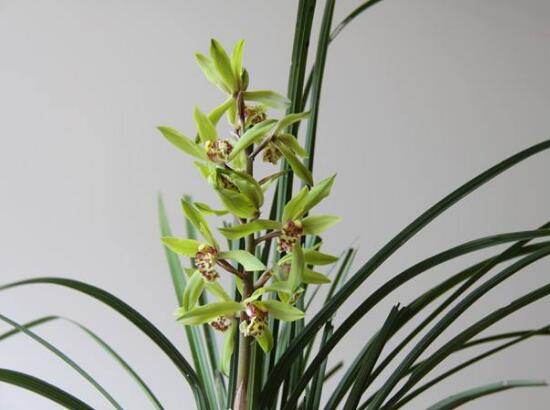
How to propagate orchids? Cuttings are the simplest, roots in 20 days
I. How to propagate orchids, cuttings and division propagation. Orchids are among the more valuable varieties of potted plants. We previously covered how to grow orchids, and now let's look at how to propagate orchids. If you have one pot of orchids at home and want to grow another, you definitely need to understand orchid propagation methods.
-
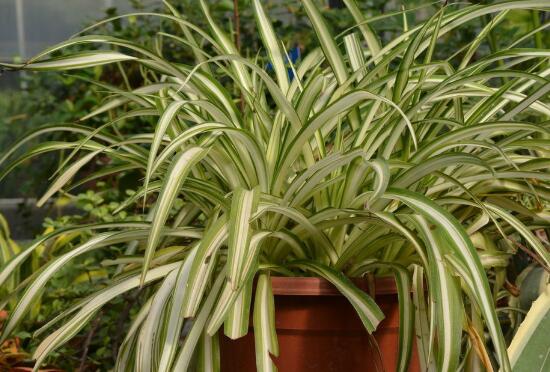
What to do about root rot in a Variegated Spider Plant? Trim off the rotten roots, repot with fresh soil, and manage water and fertilizer properly
The Variegated Spider Plant (Chlorophytum comosum 'Vittatum'), the most beautiful of the spider plants, has slender, drooping leaves with yellow-white longitudinal stripes down the center, making it very elegant and attractive. But once the Variegated Spider Plant suffers root rot, its leaves will show all kinds of problems, which affects the overall ornamental appeal of the plant. So what should you do about root rot in a Variegated Spider Plant? On this point
-
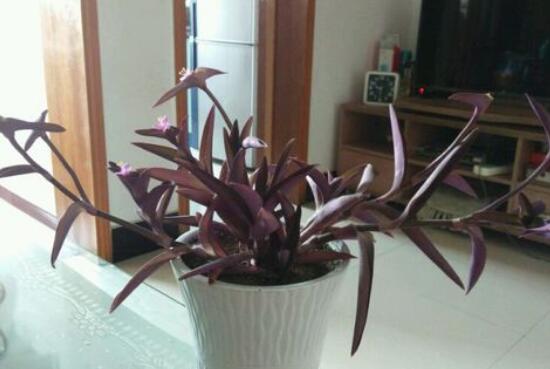
What to Do When Tradescantia pallida Leaves Turn Yellow? Supplement Light, Increase Water and Fertilizer, Cut Rotten Roots and Replant
Tradescantia pallida, a plant with remarkable benefits, is not only beautiful but also purifies the air and beautifies the home, and it has good medicinal applications as well. Such a plant is naturally kept in many homes, but during cultivation, with just a little carelessness, it will show yellowing leaves. So
-

Bay Laurel: Benefits and Uses - A Beautiful Plant Whose Flowers, Fruits, and Roots Can Be Used as Medicine
Bay laurel (Laurus nobilis) is a fairly common flowering plant in people's lives, with high ornamental value, and many people cultivate it in various places. However, besides being used for ornamental purposes, it also has many other uses. What exactly are the benefits and uses of bay laurel? Let's take a look below.
-

How to make the roots of the Ginseng Ficus (Ficus microcarpa) swell: sowing is the key
As an ornamental plant, the Ginseng Ficus is kept in many gardeners' homes. The beauty of the Ginseng Ficus lies mainly in its well-developed roots; looking at those roots that emerge from the soil layer and look like ginseng is truly so much fun. To make the Ginseng Ficus look even more interesting, many gardeners hope its roots will be a bit bigger.
-
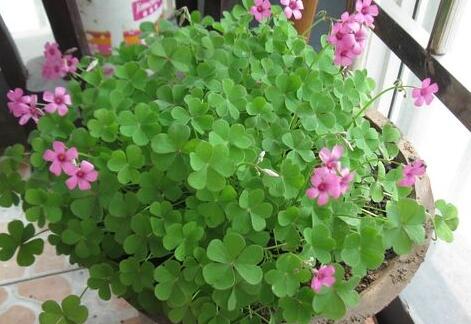
What are the propagation methods for creeping woodsorrel? Spring propagation roots easily
Since creeping woodsorrel is a perennial with bulbs, its propagation usually uses division and sowing, and in terms of difficulty, division is easier than sowing and has a higher success rate; you only need to prepare a flower pot and substrate and use the correct technique to propagate it successfully
条件筛选