-
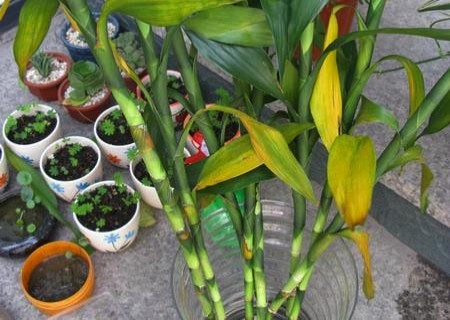
How to grow lucky bamboo so it roots easily and does not get yellow leaves
Many gardening friends encounter yellow leaves in the early stages of growing lucky bamboo, and even with frequent water changes and removal of yellow leaves, it often still does not help. Actually, as long as we observe carefully, we can often spot some clues, and by following these traces we can find the causes of and solutions for yellow leaves on lucky bamboo. Usually
-
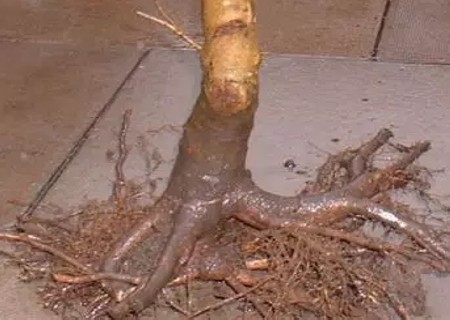
How to add roots to a maple bonsai? Full process illustrated step-by-step guide
The roots of a plant are the main source of artistic beauty in stump bonsai. One-sided roots (roots of a potted plant developing toward one side) when the plant is young will become more obvious as time goes on, and during cultivation the exposed roots will inevitably be damaged for various reasons, until the ornamental effect of the bonsai is affected
-
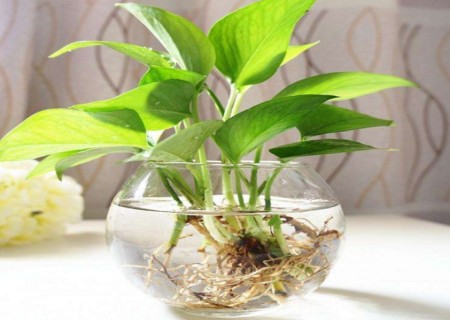
Can hydroponic pothos roots actually be trimmed and pruned?
Among the ways of growing pothos, hydroponic growing is easier to handle than soil growing, and it also has higher ornamental value. So, in daily care, can hydroponic pothos roots be trimmed? Let's take a look below! The roots of pothos need to be cleaned at intervals.
-

What to Do When a Clivia Miniata's Roots Are Damaged? Plus Notes on Introducing Edible Fungi
What to Do When a Clivia Miniata's Roots Are Damaged
-
What to Know About Introducing Edible Mushrooms and How to Fix Hollow Roots in Clivia
What to Do When Clivia Roots Are Hollow
-
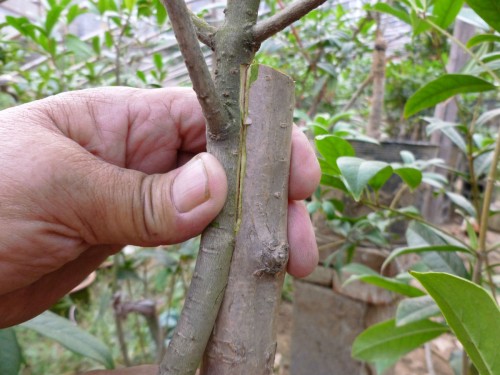
Illustrated Tutorial on the Approach Grafting Method for Stump Bonsai Head Roots
For stump bonsai grafting, the approach grafting method and the cleft grafting method are used. In North China, approach grafting can be carried out from May to August, and the best time is from before the dog days to the third dog days. With outdoor care, success is generally achieved in just over two months. Cleft grafting is carried out in late March when Chinese ash and osmanthus begin to sprout. After grafting, place them in a sunny shed to prevent wind from causing water loss.
-
Hsieh Chih-cheng Takes the Helm at Harvest Farm Magazine, Bringing Grassroots Agricultural Knowledge to Light
The Harvest Farm Magazine Foundation held a board meeting on the morning of the 3rd, during which Hsieh Chih-cheng was elected as the new chairman. Hsieh Chih-cheng previously served as a professor in the Department of Bio-Industrial Mechatronics Engineering and retired in 2013. He has also served as CEO of the 921 Earthquake Post-Disaster Reconstruction Foundation, Secretary-General of the Taiwan Professors Association, and a member of the
-
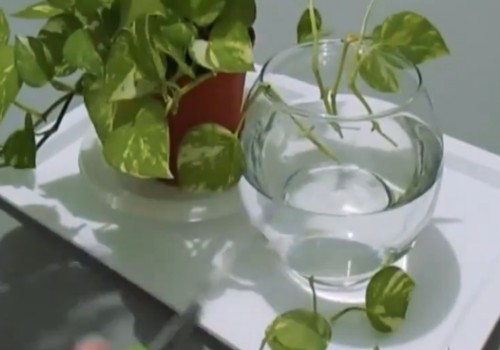
Reasons Why Pothos Cuttings Don't Grow Roots in Water and How to Fix It
Although pothos (Epipremnum aureum) grown in water grows more slowly than in soil, its care and management are relatively simple, and when grown well it also has extremely high ornamental value. Water-cultured pothos is usually grown by cutting a stem section from the mother plant and placing it in water. If we do it improperly, the water-cultured pothos may fail to grow roots.
-
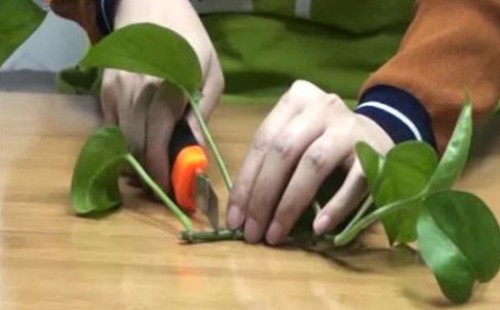
Can You Trim the Roots and Stems of Hydroponic Pothos? A Detailed Guide to the Correct Cutting Method
Pothos grows very quickly, relying mainly on its powerful root system. Even in a hydroponic state, pothos often has a massive root system. As the plant keeps growing, the roots and stems also become more numerous and denser. During normal metabolism, quite a few old roots are bound to form
-
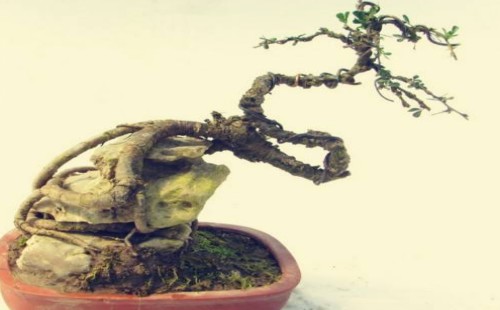
How to coil and expose the roots of a Caragana bonsai? Master the correct method
Coiling the roots is an important means of shaping the roots in the process of making an exposed-root bonsai. First of all, during the potting process, the roots must be properly handled, and soil must not be covered in the traditional way. When potting, you can lift the roots up slightly so that they are exposed above the soil surface. This not only makes shaping easier
条件筛选