-
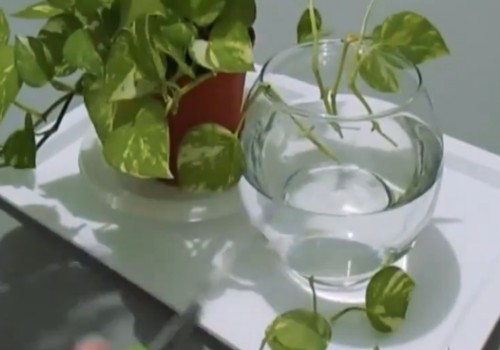
Reasons Why Pothos Cuttings Don't Grow Roots in Water and How to Fix It
Although pothos (Epipremnum aureum) grown in water grows more slowly than in soil, its care and management are relatively simple, and when grown well it also has extremely high ornamental value. Water-cultured pothos is usually grown by cutting a stem section from the mother plant and placing it in water. If we do it improperly, the water-cultured pothos may fail to grow roots.
-
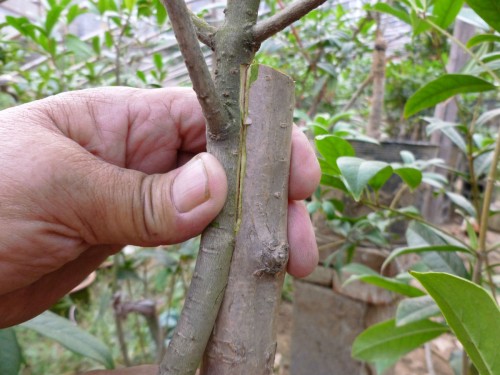
Illustrated Tutorial on the Approach Grafting Method for Stump Bonsai Head Roots
For stump bonsai grafting, the approach grafting method and the cleft grafting method are used. In North China, approach grafting can be carried out from May to August, and the best time is from before the dog days to the third dog days. With outdoor care, success is generally achieved in just over two months. Cleft grafting is carried out in late March when Chinese ash and osmanthus begin to sprout. After grafting, place them in a sunny shed to prevent wind from causing water loss.
-
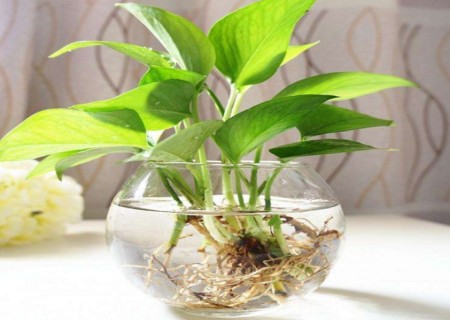
Can hydroponic pothos roots actually be trimmed and pruned?
Among the ways of growing pothos, hydroponic growing is easier to handle than soil growing, and it also has higher ornamental value. So, in daily care, can hydroponic pothos roots be trimmed? Let's take a look below! The roots of pothos need to be cleaned at intervals.
-
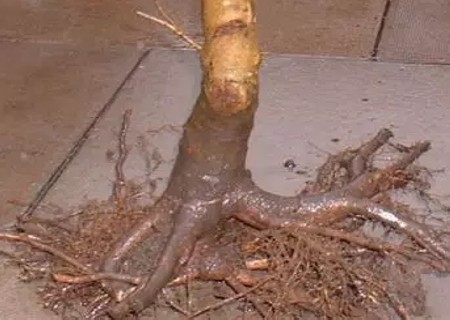
How to add roots to a maple bonsai? Full process illustrated step-by-step guide
The roots of a plant are the main source of artistic beauty in stump bonsai. One-sided roots (roots of a potted plant developing toward one side) when the plant is young will become more obvious as time goes on, and during cultivation the exposed roots will inevitably be damaged for various reasons, until the ornamental effect of the bonsai is affected
-
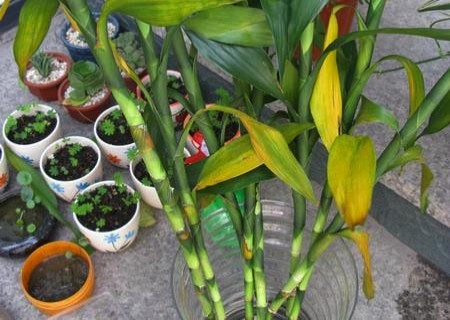
How to grow lucky bamboo so it roots easily and does not get yellow leaves
Many gardening friends encounter yellow leaves in the early stages of growing lucky bamboo, and even with frequent water changes and removal of yellow leaves, it often still does not help. Actually, as long as we observe carefully, we can often spot some clues, and by following these traces we can find the causes of and solutions for yellow leaves on lucky bamboo. Usually
-
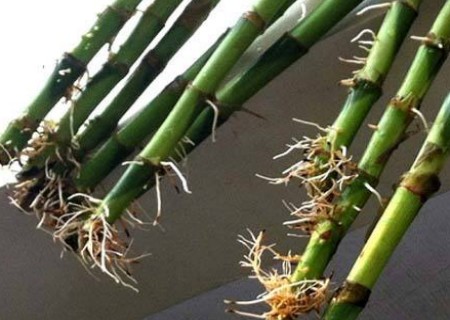
What to Do If Lucky Bamboo Roots Rot? A Few Practical Remedies
Lucky bamboo is a plant suited to growing indoors. Not only is it ornamental, but it is also said to bring good fortune to the householder and to bring wealth - otherwise why would it be called lucky bamboo? Lucky bamboo is fairly easy to grow, but occasionally a friend runs into the problem of root rot during care. So what should you do if lucky bamboo roots rot? Actually
-
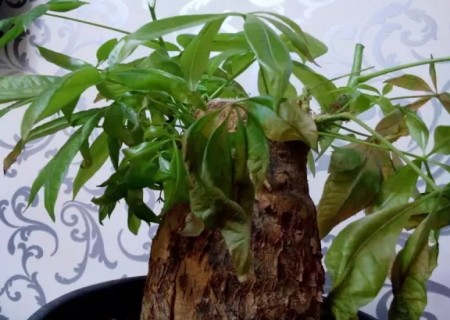
What to Do When Pests Appear in the Roots of a Money Tree? Practical Solutions
Everyone thinks the money tree (Pachira aquatica) is both beautiful and brings a touch of greenery to the home. It is an excellent potted plant, and it is also fairly easy to care for. So many plant enthusiasts get a bit casual with their care. Little do they know that it may be your own carelessness that often causes your beloved plant to develop pests and diseases.
-

What is the overwintering temperature for grafted osmanthus on fringe tree rootstock?
The fringe tree (Chionanthus retusus), also known as April snow, is a relatively rare and precious protected tree species. In summer, its entire canopy is covered with white flowers, like a blanket of snow, clear and delightful. The fringe tree can not only be grown in pots, but can also be made into stump bonsai, and is moreover an excellent rootstock for grafting osmanthus.
-
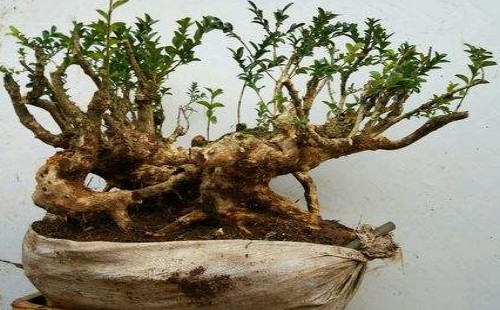
How do you grow the roots of a boxwood bonsai thick? Master these care methods
Boxwood bonsai has features such as a graceful, dancing tree posture, deep emerald leaf color, and ancient, gnarled, twisting roots, so its ornamental value is quite high, and it is deeply favored by the vast number of bonsai enthusiasts. Moreover, the boxwood tree has a well-developed root system. When creating a bonsai, in addition to the most commonly used method of cutting branches to build up the trunk, you can also raise the roots and expose the roots
-
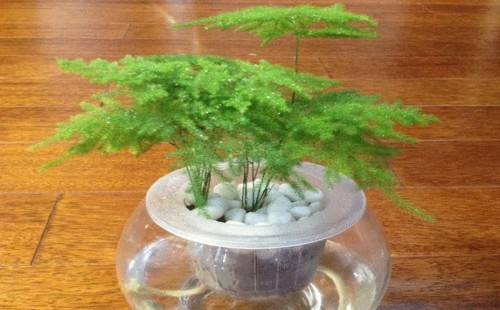
Can Asparagus Fern Be Grown in Water Without Roots? A Detailed Guide to Rootless Hydroponics
Asparagus fern (Asparagus setaceus) is an evergreen plant that grows in a rather quiet and elegant manner, like a lovely young girl showing us her most beautiful side. Moreover, asparagus fern can be grown both in soil and in water, making it a very easy-to-grow climbing plant with high ornamental value. Hydroponic asparagus fern not only keeps the environment cleaner
条件筛选