-
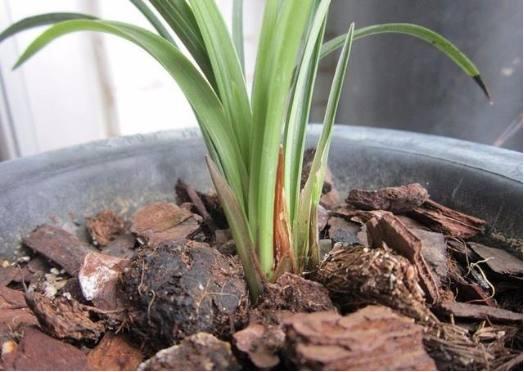
Get the orchid watering method right and the roots will never rot
People say orchids are afraid of watering and afraid of root rot, but that is not actually true. Only with more watering can orchids grow fast. Root rot happens simply because the water used is wrong and the watering method is incorrect. The plant encyclopedia website teaches you how to water orchids so their roots never rot. You should know that wild orchids are not afraid of long periods of rain, and they do not get root rot from too much rainwater
-
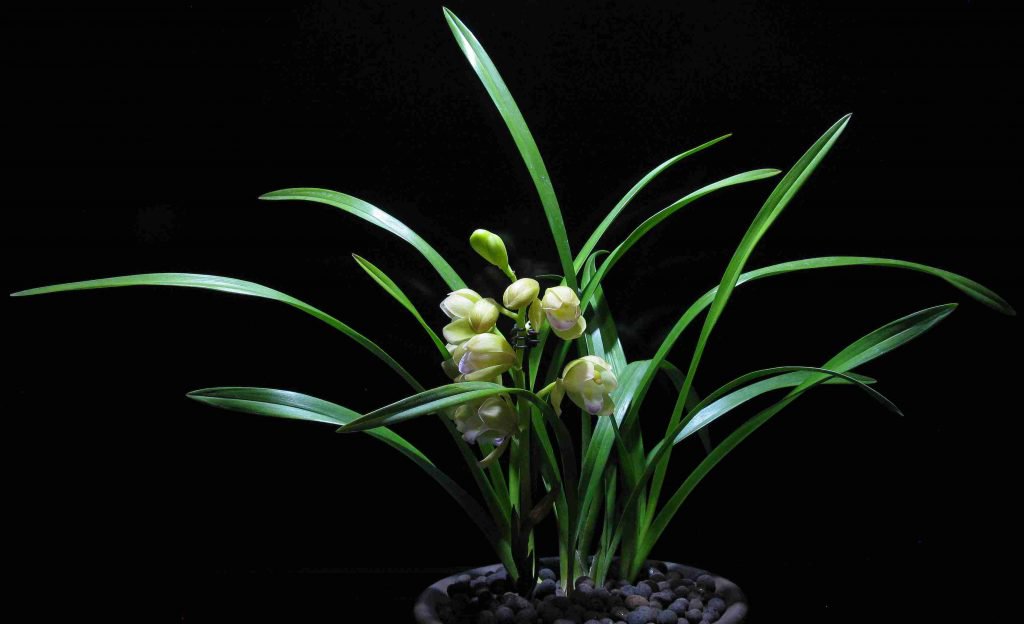
What to Do When Orchid Roots Rot? A Detailed Guide to Remedies and Treatment
What to do when orchid roots rot: choose and mix a good orchid growing medium. The orchid growing medium must drain well and allow air through, moist but not waterlogged, dry but not parched. There are many special orchid growing media on the market today, and they are very suitable, such as Emei Mountain soil from Sichuan and expanded clay from Chongzhou; these all suit the habits of orchids well. Most orchids are not cold-tolerant and prefer cool shade
-
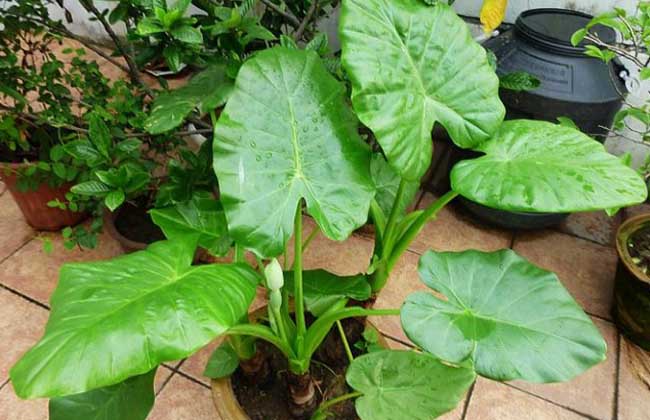
What to Do When Alocasia (Dumb Cane) Leaves Turn Yellow and Roots Rot? Causes and Solutions
When Alocasia leaves turn yellow, dry soil and lack of water can easily cause the leaves to wilt and turn yellow. Solution: During the vigorous growth period from May to September, water once every 2 days, and at the same time, spray more water on the plant surface to increase humidity. In a water-rich, moist environment, Alocasia drips water from its leaf tips and edges
-

What to Do When Cymbidium Roots Rot? A Few Rescue Methods to Teach You
Cymbidium is a plant that stays evergreen all year round and is very well suited to indoor growing. Cymbidium is an orchid with axial growth, so when choosing a pot you need to pick a tall cylindrical one, the growing environment must have good ventilation, and charcoal and other drainage-friendly material should be added at the bottom of the pot.
-

Cymbidium orchids stay evergreen year-round - what should you do if the roots rot?
What to do when a Cymbidium orchid's roots rot - this is a plant that can stay evergreen through all four seasons
-
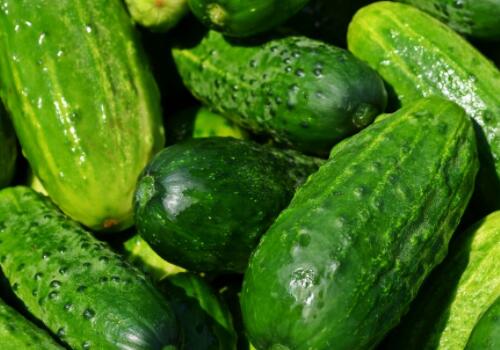
How many jin per mu does grafted cucumber generally yield, and the best rootstock and step-by-step seedling method
Cucumber is also known as Huzhua, Cigua, Wanggua, Qigua, Qinggua, Tanggua and Diaogua. It is commonly cultivated throughout China, and in many areas it is grown in greenhouses or plastic tunnels. So how many jin per mu does grafted cucumber yield? What is best for grafting? How do you graft? What are the cucumber seedling methods? We learned from cucumber grower Mr. He
-

When do pear trees bloom and what are the common grafting rootstocks?
The pear tree is a perennial deciduous fruit tree of the genus Pyrus in the Rosaceae family. It is a tree that is widely distributed around the world. The fruit of the pear tree is edible and has high nutritional and medicinal value. So, when do pear trees generally bloom? What are the common grafting rootstocks? When do pear trees generally bloom? Because pear trees have a wide distribution range
-
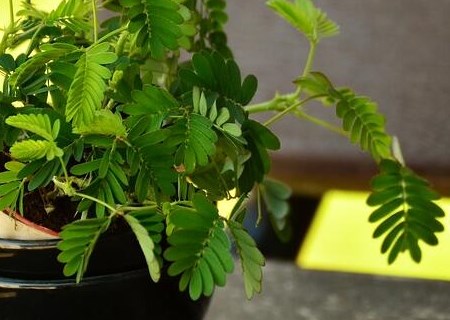
Mimosa Seed Planting Methods, Its Functions, and the Benefits of Its Roots for Human Health
The flowers, leaves and seed pods of the mimosa all have good ornamental value, making it suitable as a potted flower on balconies and indoors. It can also be grown in courtyards and other places. So do you know what the methods for planting mimosa seeds are? What functions does it have? What benefits do its roots have for human health? The mimosa differs from ordinary plants
-
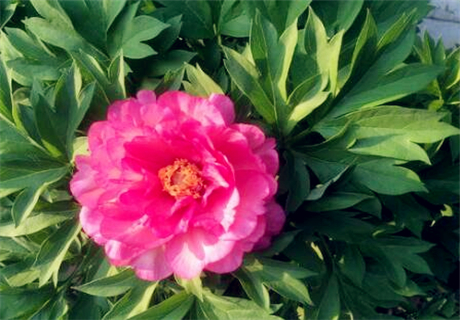
The Best Planting Time and Method for Herbaceous Peony Roots, Plus Market Prospects and Cost Per Mu
Herbaceous peony has a long cultivation history in China and is one of the traditional famous flowers. The tree peony is called the king of flowers, while the herbaceous peony is called the minister of flowers. The herbaceous peony is a famous ornamental flower and is widely planted in gardens. So how do you plant herbaceous peony roots? When is the best time to plant them? What are the market prospects? How much capital is needed per mu?
-
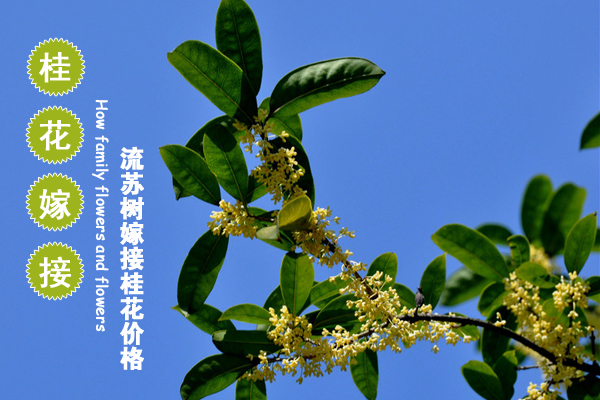
What tree is best used as a rootstock for grafting osmanthus?
What trees can osmanthus be grafted onto? The rootstocks that can be used for grafting osmanthus include small-leaf privet (Ligustrum quihoui), large-leaf privet (Ligustrum lucidum), water wax (Ligustrum obtusifolium), white wax (Fraxinus chinensis), and osmanthus seedlings grown from seed or cuttings. (1) Small-leaf privet: a deciduous or semi-evergreen shrub, 2-3 m tall, with spreading branches and twigs bearing short pubescence
条件筛选