What to Do About Ivy Root Rot? Find the Cause and Treat It Accordingly
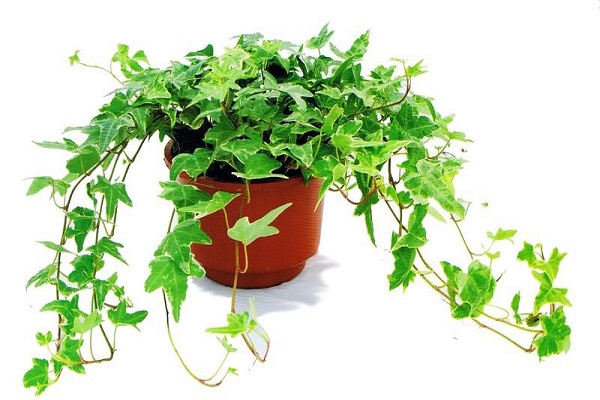
1. Water
Too much water is the main cause of its root rot, because when its roots are soaked in water, they cannot exchange gases with the outside, causing some physiological reactions to fail to proceed normally, which in turn leads to the problem of root rot.
Solution: Once its root rot is caused by too much water, we need to put it in a bright place and let the water evaporate naturally. If the situation is relatively serious, we need to take it out of the flower pot, remove the roots that have already rotted, and replace them with new flower soil that has no standing water. After that, we need to pay attention to the amount and frequency of watering, and control them appropriately without overdoing it.
2. Flower Fertilizer
If flower fertilizer that has not been decomposed is used, it is very likely that it cannot absorb and utilize the nutrients contained in the fertilizer in time, causing them to accumulate in the flower soil, which in turn burns its roots and triggers the problem of root rot.
Solution: At this time, we can choose to replace it with new flower soil that has no excess flower fertilizer, or use some substances to neutralize the excess flower fertilizer.
3. Precautions
① Temperature
This is a factor that requires great attention. If its roots have rotted and it is still in very hot or very cold conditions, it is very likely to develop problems because it cannot tolerate such a harsh environment. Generally speaking, the temperature it prefers is between 20 and 25 degrees. In addition, it cannot tolerate heat or cold, which means it is relatively fragile. We must protect it and give it suitable conditions.
② Light
After its roots have rotted, we need to give it sufficient light and must not place it in a place that is too dark. Because it relatively likes light, placing it in such a place helps it recover quickly. However, we cannot let too strong light reach it, otherwise it is very likely to worsen its condition.