-

What to Do About Root Rot in Peace Lilies? Causes and Remedies Explained
There are many causes of root rot in peace lilies. If it is caused by improper watering, the watering method needs to be improved; if it is caused by improper fertilizing, the fertilizing method needs to be improved; if it is caused by temperatures that are too low, the temperature needs to be raised. If the root rot is relatively severe, it needs to be taken out of the pot, the rotten roots cut off, and then it should be placed in river sand, plain soil or water to grow new roots.
-
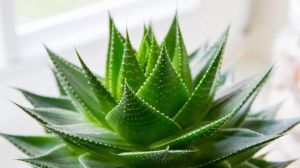
How to save an aloe with root rot? Learn the correct way to handle it
Aloe root rot has two main causes: one is overwatering, and the other is bacteria. When this happens, the first step is to cut off the rotten parts; if the symptoms are not very serious, then not pruning is also fine. After that, disinfect and let them dry, then replant into a pot, cover with plastic film, and in about half a month they will take root.
-
How to save an aloe vera with root rot? Teach you the correct way to handle it
Aloe vera root rot mainly has two causes: one is overwatering, and the other is bacteria. When this happens, first cut off the rotted parts; if the symptoms are not very serious, then not pruning is also fine. After that, disinfect and let dry, then replant into a pot, cover with plastic film, and after about half a month it will be able to grow roots.
-

How long does it generally take for carnations to root after cuttings?
Carnation cuttings root in about 2 months. When taking cuttings, choose healthy branches about 10 cm long, use well-aerated soil as the medium, water thoroughly, and place in a shady spot. After 2 months, once they have rooted, pot them up and care for them normally in sunlight. Do this after early spring, keep the temperature at 14-20°C, maintain ample light, and water only when the soil looks dry.
-
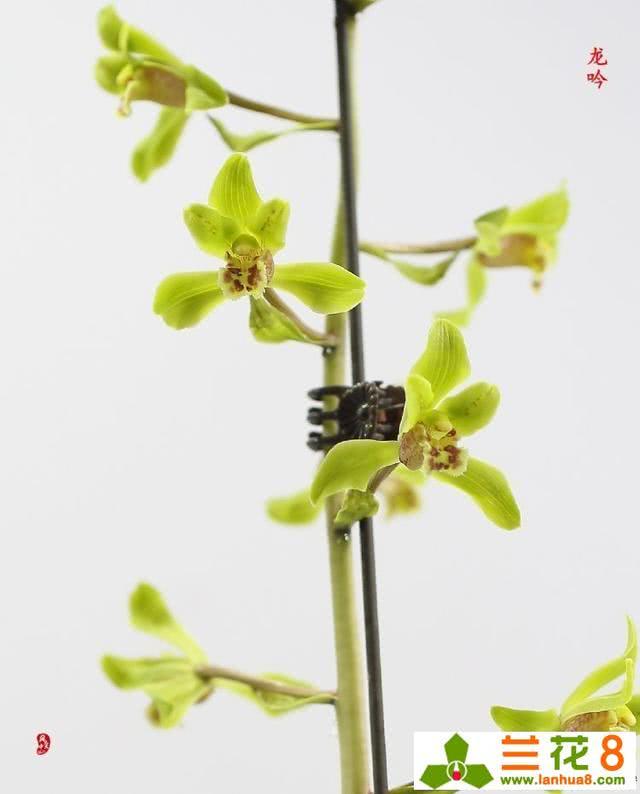
Causes and Solutions for Orchid Leaves Turning Yellow and Black, Root Rot, and Death in Summer
Of all the seasons, orchids are hardest to grow in summer. All kinds of pests and diseases occur frequently, and orchid plants either develop yellow leaves or root rot, which is endlessly frustrating. Today I will teach you 4 tricks to solve the problem of orchids easily rotting in summer! The most common problem for orchids in summer is...
-
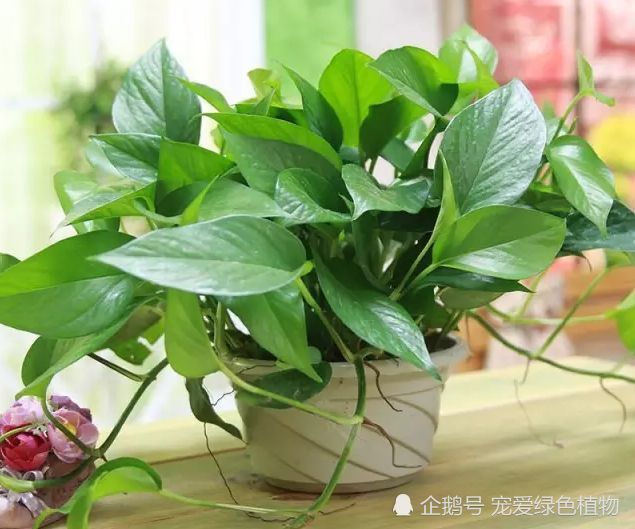
Growing pothos in water in summer: add a little of this to the water and it roots in less than a week
Because pothos is so tenacious that you can snap off a stem, toss it in water, and it will survive, people call it the "flower of life." Pothos has high ornamental value; kept at home, it is both beautiful and able to purify the air and absorb formaldehyde. Especially in a newly renovated...
-
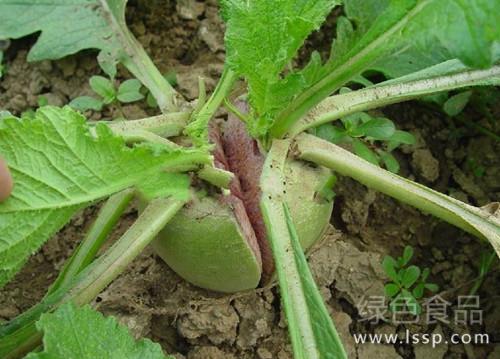
How to prevent and control forked, bent, and cracked deformed radish roots?
What to do about forked and bent radish roots: methods to prevent and control cracked and deformed radish roots
-
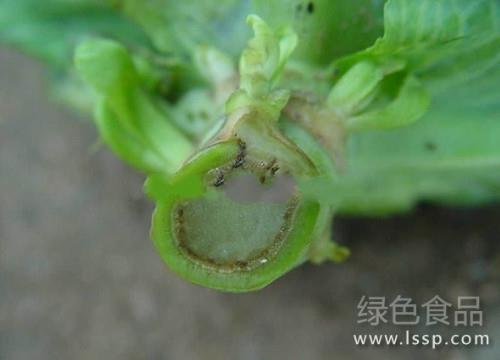
Cabbage root rot causes the stem base to turn brown and the root system to rot - how to prevent and control it
Control methods for cabbage root rot, which causes the stem base to turn brown and the root system to rot
-
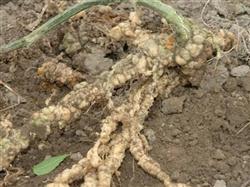
What harm do root-knot nematodes cause? What pesticide can kill them?
What harm do root-knot nematodes cause? What pesticide can kill them? Experienced gardeners, please help explain. Root-knot nematodes have a fairly wide host range, often damaging more than 30 kinds of vegetables including cucurbits, solanaceous fruits, legumes, radishes, carrots, lettuce, and Chinese cabbage. Therefore Zhongdiwang has compiled the harm and control methods of root-knot nematodes, as follows...
-
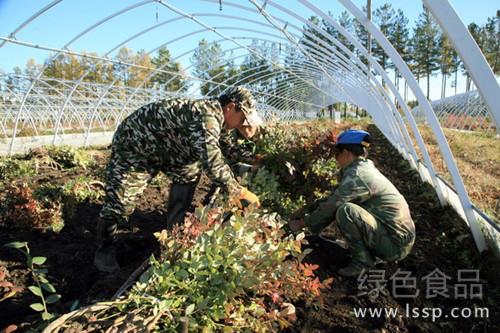
Northern blueberries have poor lignification, shallow root systems, and are not cold-tolerant. How can they be protected from the cold and overwintered?
Poor lignification, shallow roots, not cold-tolerant: how can northern blueberries be protected from the cold and overwintered?
条件筛选