-

Reasons and Solutions for Yellowing, Curling, and Drying Leaves on the Bromeliad (Guzmania)
What to do when the leaves of the bromeliad turn yellow: most of the causes of yellowing leaves in bromeliads are environmental. Below we have organized the reasons for yellowing, drying, and curling leaves in bromeliads, hoping to help fellow plant lovers.
-
How to diagnose and prevent sudden death syndrome caused by Clostridium welchii in pigs?
Sudden death syndrome caused by Clostridium welchii in pigs, also known as pig red intestine disease, is an enterotoxemia in pigs caused by Clostridium welchii types A, C and D. 1. Onset symptoms The disease generally has no premonitory symptoms and presents as sudden death. Some affected pigs may also be seen before death with mania and restlessness, ataxia, hoarse squealing, abdominal distension, difficulty breathing, sudden collapse, frothing at the mouth, muscle tremors, paddling of the limbs, pale skin, opisthotonus, and death within 1 to 3 hours. 2. Pathological changes Dead pigs are in good body condition, with complete rigor mortis
-
What are the treatment methods for bovine nutritional exhaustion syndrome?
Bovine nutritional exhaustion syndrome generally occurs frequently in winter and becomes dangerous in spring. Especially since last winter and this spring, the Jiangnan region has experienced prolonged rain, cattle have had little grazing time and too long housing time, leading to a higher incidence and wider scope this spring. Affected animals lose their economic value, seriously affecting farmers' spring plowing and draft use. 1 Etiology Bovine nutritional exhaustion syndrome differs from acute failure of a specific organ such as heart failure or kidney failure. Its root cause is a negative balance between nutritional supply and consumption in the body, leading to accelerated decomposition and severe depletion of stored fat, protein and glycogen
-
What are the adjunctive treatment methods for pig high fever syndrome?
When pigs suffer from severe colds, pneumonia, influenza, heatstroke, and febrile diseases such as erysipelas and swine pasteurellosis, they often run a fever, sometimes with body temperature reaching above 42°C and remaining persistently high. In clinical practice, drawing on the methods used by human physicians to manage high-fever patients, adjunctive treatment such as pouring cold water over the head and applying cold compresses was used for pigs with high fever syndrome. After treating more than 10 cases, the results were good. The specific method is: first fill a kettle with well water or cold water, slowly pour it over the sick pig's head, and gently pat it. After pouring is complete, soak a towel or piece of cloth in well water or cold water, fold it 2-3
-
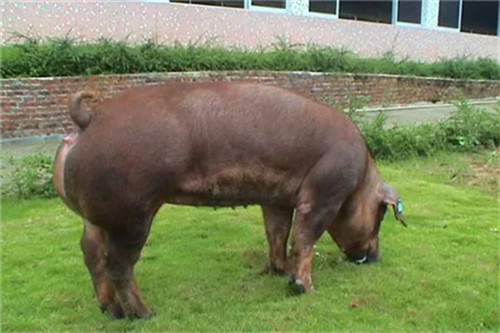
Symptoms and Prevention and Treatment Methods of Porcine Reproductive and Respiratory Syndrome
Porcine Reproductive and Respiratory Syndrome
-
Comprehensive Prevention and Control Methods and Technical Key Points for Porcine Respiratory Disease Syndrome
This disease is characterized by occurring throughout the year, in an endemic pattern, affecting pigs of all ages, mostly at 13-20 weeks of age, with a course of 2-8 days and a relatively high mortality rate. Symptoms: affected pigs show elevated body temperature of 40.5°C-42°C, depression, reduced or absent appetite, difficulty breathing, sometimes coughing, pale visible mucous membranes, pale or purplish skin, constipation or diarrhea, abortion and stillbirth in pregnant sows, and neurological symptoms in suckling piglets with high mortality. Pathological necropsy: necropsy of 6 dead pigs and 2 severely ill
-
Detailed Explanation of the Causes and Comprehensive Prevention and Control Measures of Swine High Fever Syndrome
Recently, many pig farms have consulted about the causes and prevention and control technical issues of swine high fever syndrome. Based on my own practical experience, the author puts forward some views for your reference. Causes: Swine high fever syndrome is essentially a swine disease caused by mixed infection of multiple viruses, bacteria, and protozoa triggered by immunosuppressive swine diseases. Biological factors: classical swine fever virus, circovirus, porcine reproductive and respiratory syndrome virus, pseudorabies virus, Eperythrozoon, Toxoplasma, Streptococcus, Salmonella paratyphi, Mycoplasma, Actinobacillus pleuropneumoniae, Haemophilus parasuis, Pasteurella, etc.
-
Detailed Explanation of Post-weaning Multisystemic Wasting Syndrome in Pigs (Part Two)
4 Prevention and Control PCV2 is highly resistant to inactivation by many detergents and disinfectants, and the effect of medication is limited. Therefore, it is crucial for pig farms to take measures such as changing rearing techniques, improving hygiene conditions, and reducing stress at different stages, in order to lower the "infection pressure" (including PCV2 and any other pathogens). 4.1 Farrowing Period 4.1.1 All-in/all-out, with thorough cleaning and disinfection between two batches of pigs. 4.1.2 Wash sows and deworm them before farrowing;
-
How long does the transmission of porcine reproductive and respiratory syndrome virus persist?
The porcine reproductive and respiratory syndrome (PRRS) virus has an enormous impact on the economic benefits of the global pig industry. This disease increases mortality and reduces pig production performance and growth rate, and increases the cost of vaccines and medications. Although many prevention and control measures have been proposed, their effectiveness after implementation still varies, so these measures are not suitable for some pig farms. The PRRS virus has long-lasting infectious pathogenicity and can spread both horizontally and vertically. Fetuses in the uterus and pre-weaning piglets are infected by this virus late, and it can spread throughout the entire piglet barn through virus-contaminated bedding.
-
Prevention and Treatment Methods for Toxic Water Syndrome in Fish Ponds
Dissolved Oxygen Exceeding Standards "Toxic Water Syndrome" 1. Harm and symptoms. When too much unfermented fertilizer is applied to a water body, the raw fertilizer decomposes at the bottom of the pond into very fine small bubbles of methane and hydrogen sulfide, which fry mistake for food and swallow. The main symptoms are: many small bubbles adhere to the fish gills, causing the fish body to float up or swim off balance. There are white bubbles in the fish intestines, or more bubbles attach to the fish body surface, fin rays and gill filaments, and the fish body floats on the water surface and cannot sink down; in severe cases it can cause fish to die in batches. 2. Prevention
条件筛选