Detailed Explanation of Prevention and Treatment Methods for Sow Emaciation Syndrome
Emaciation syndrome, also called nutritional exhaustion syndrome, occurs from time to time during sow raising. It is a metabolic disease caused by insufficient nutrition and increased body energy consumption, leading to physical depletion of the pig and a decline in metabolic level. So how should this disease be prevented and treated? Let's take a look together.
1. Causes of the disease
The main cause is that the nutritional level is too low, resulting in the pig's nutritional supply falling short of demand. Especially under large-group raising conditions, in order to speed up reproduction, farmers often adopt measures such as early weaning and rapid re-mating, which makes the sow overburdened, and the body condition cannot recover for a long time, so she becomes increasingly emaciated, and sometimes even cannot stand up from lying down. In addition, during large-group raising, some timid sows may also develop this condition because they cannot eat enough feed for a long time and remain in a state of hunger.
2. Symptoms
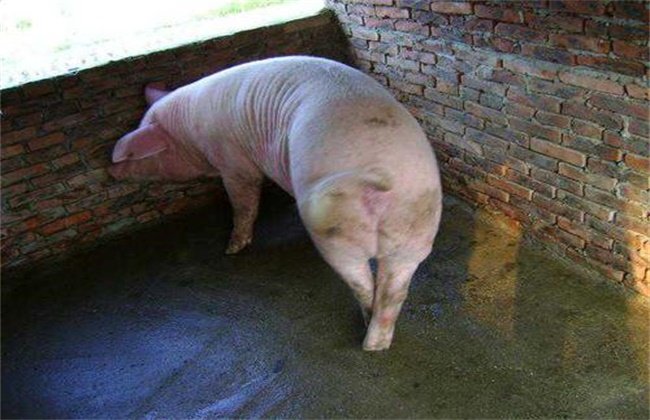
The main symptoms of this disease are progressive emaciation, rough and disordered coat, prominent bones, relatively dry skin with reduced elasticity, and pale or light red mucous membranes; some may also develop jaundice. The whole body's muscles atrophy, standing is weak, or the sow lies down and cannot get up, while appetite shows no obvious change and body temperature is also normal. After onset, sows tire very easily. If forced to exercise, they will soon show increased breathing, panting, and accelerated pulse.
3. Prevention and treatment measures
For sows with relatively severe exhaustion, in addition to strengthening feeding and supplementing high-energy feed, intravenous injection of 300-500 ml of glucose solution can also be used, then inject 15-40 ml of vitamin B, intramuscular injection of 5-10 ml of vitamin C, and subcutaneous injection of 3-5 ml of oxidized camphor. Note that when farmers do not have practical experience, it is best to ask professionals to perform the injections. During large-group raising, if timid sows are found, they should be isolated and raised in time. For sows in late gestation and lactation, especially sows that have been rapidly re-mated and early weaned, nutrition should be supplemented in time to ensure that the sow's needs for various nutrients are met. Another point to note is that deworming work for sows should be done well. If sows with chronic wasting disease are found, they should be treated in time to increase the sow's nutritional intake.
The above is an introduction to the prevention and treatment methods for sow emaciation syndrome. We hope it can help you. To learn more related knowledge, please keep following us.