-
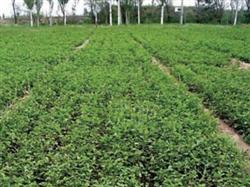
Licorice Market Prospects Analysis and Scientific Planting Techniques
Licorice is a plant of the Fabaceae family, the dried root and rhizome of Glycyrrhiza uralensis, Glycyrrhiza inflata, or Glycyrrhiza glabra, and is a commonly used bulk medicinal material. Wild licorice is mainly distributed in Inner Mongolia, Ningxia, **, Gansu, and other places; cultivated licorice is mainly distributed in the Hexi Corridor of Gansu, the surrounding area of Longxi, and parts of Ningxia. Licorice is a national-level se...
-
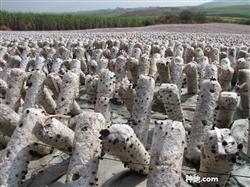
Methods and Technical Key Points for Cultivating Wood Ear Mushroom (Black Fungus) with Rice Straw
How to cultivate wood ear mushroom with rice straw? Please explain. After the autumn harvest, rural areas have large amounts of leftover rice straw, and throwing it away is a great pity. Cultivating wood ear mushroom with rice straw works very well and is also a path to wealth for farmer friends. Practice has shown that generally every 100 kg of rice straw can yield more than 10 kg of dried wood ear mushroom,...
-
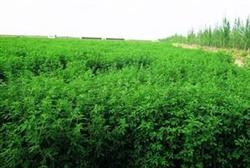
Detailed Explanation of Licorice Seedling Raising Methods and Key Planting Techniques
Abstract: Licorice is the source material for a large number of traditional Chinese medicine preparations, and is widely used in food, beverages, tobacco, daily chemicals and other fields, with broad application prospects. However, due to the lack of wild licorice resources, artificial planting efforts need to be increased. In order to improve licorice seedling raising and planting techniques, the Urumqi Grassland Station conducted licorice seedling raising and planting...
-
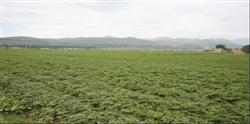
How to Grow Licorice? A Detailed Guide to Cultivating the Medicinal Plant Licorice
●Growth Habits. Licorice, also known as sweet grass root, red licorice, and powdered licorice. It is a plant of the Fabaceae family. Its roots and rhizomes are used as medicine. It has the effects of clearing heat and detoxifying, moistening the lungs and relieving cough, tonifying the spleen and boosting qi, and harmonizing various medicines. Licorice mostly grows in the northern temperate zone, in plains, mountainous areas, or river valleys at an altitude of 0-200 m. The soil is mostly sandy soil. Soil...
-
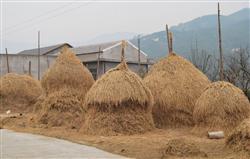
How is the wine-cap stropharia cultivated with raw rice straw?
How is the wine-cap stropharia cultivated with raw rice straw? Please explain the method. The cultivation of the wine-cap stropharia mainly uses raw materials such as rice straw, corn stalks and wheat straw, which are very easy to find in rural areas and cost very little. After cultivation, the spent material is also a high-quality organic fertilizer that can be used to improve the soil. According to measurements from small-area cultivation, its biological...
-
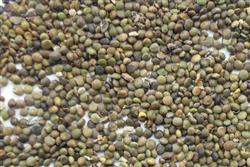
How should licorice seeds be treated? Introduction to common treatment methods
How should licorice seeds be treated? Is there anyone who can help explain? Licorice seeds generally begin to germinate at 10-15°C, and germinate fastest at 15-20°C. Old seeds have a reduced germination rate. One of the biggest characteristics of licorice is that it exhibits hard-seededness, usually with a hard seed rate of 70-90%, making it very difficult for seedlings to emerge after sowing, so in production, seeds...
-
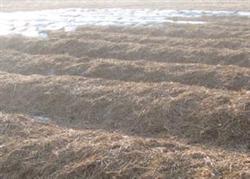
How to Make Organic Fertilizer from Rice Straw and Stalks
Not using chemical fertilizers and pesticides is one of the goals of modern organic agriculture. Through several years of practical experience, the author has found a method of making natural organic fertilizer from original ecological materials. Raw materials: 1500 kg of natural red soil. 150 kg of rice straw, stalks and garbage. Some human excrement and urine or pig, chicken and duck manure. Composting to obtain...
-
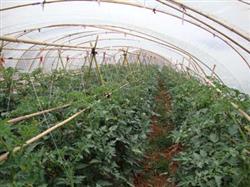
What are the characteristics of herbicides specifically for licorice?
With the adjustment of the agricultural industrial structure, the area planted with greenhouse crops is growing larger and larger. However, because the temperature and humidity conditions inside plastic greenhouses differ greatly from the external environment, applying pesticides according to conventional methods can easily cause phytotoxicity. To reduce the occurrence of phytotoxicity, when applying herbicides in greenhouses, attention should be paid to...
-
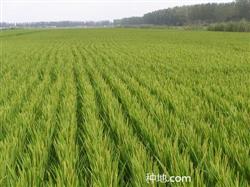
How to remedy herbicide damage in rice?
What should you do if herbicide application to rice causes phytotoxicity? To increase the weed-killing effect and broaden the herbicidal spectrum, most compound herbicides contain bensulfuron-methyl, pyrazosulfuron-ethyl, acetochlor and the like. If farmers do not know how to use them, phytotoxicity is easily caused. 1. Judging phytotoxicity. Rice may show symptoms similar to herbicide phytotoxicity because of root suffocation, nutrient deficiency, or pests and diseases...
-
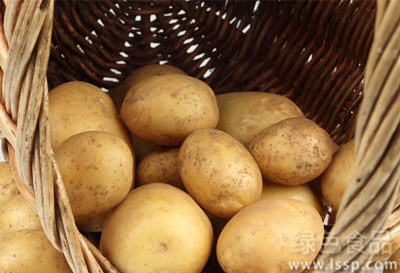
No-till autumn potato planting with rice straw mulch saves labor and increases yield
No-till autumn potato planting with rice straw mulch saves labor and increases yield
条件筛选