-
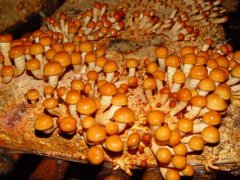
Does Pholiota nameko have to be blanched? Detailed explanation of cultivation techniques and sales prices
Does Pholiota nameko have to be blanched? It is best to do so, as this will make the Pholiota nameko fully cooked through, so there is no food safety risk from eating it undercooked. The sales price of cultivated Pholiota nameko is generally between 6 yuan and 7 yuan. So how is Pholiota nameko cultivated? Would you like to know?
-

Chukar Partridge Farming Technology and Profit, How Long Until It Lays Eggs and Purchase Price
Many people are now farming chukar partridges, which shows that the profits from farming chukar partridges are relatively high. Wild chukar partridges usually nest among rock piles or in hillside shrubs and grass, and also nest at the base of overhanging rocks, under stone slabs at the mountain edge, or in shrubs and grass between mountains and valleys.
-
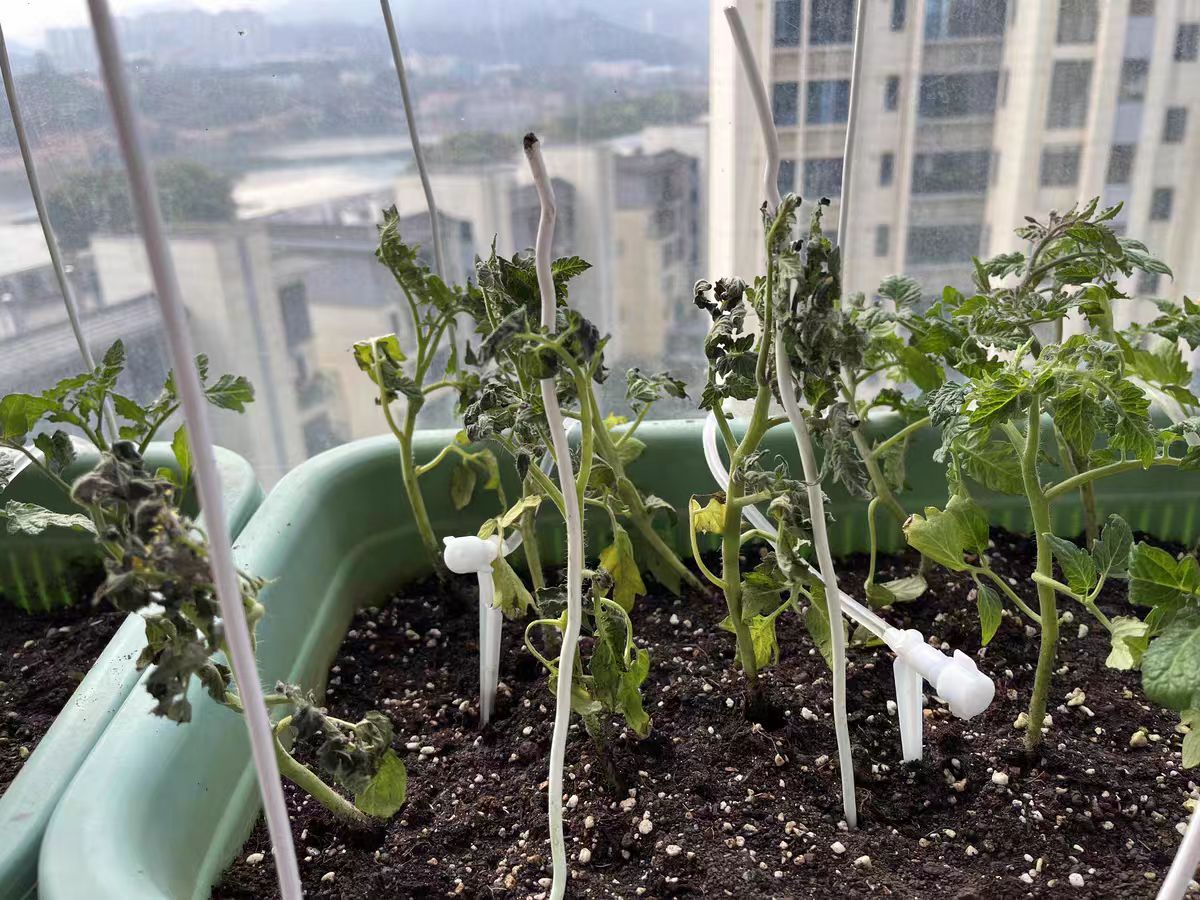
Can tomato plants be watered with rice-washing water?
After cooking, do you usually pour out the leftover rice-washing water? In fact, this seemingly ordinary and useless rice-washing water is a treasure for
-
Is Green Jade Orchid a Cymbidium sinense? Full Analysis of Its Characteristics and Price
Green Jade belongs to the Cymbidium sinense category. It originated as a new hybrid variety of Chinese Cymbidium sinense and Korean Cymbidium faberi. Have you ever grown this kind of orchid? Would you like to learn about it? Let us take a look at what characteristics it has. The price of Green Jade Orchid is quite high,
-
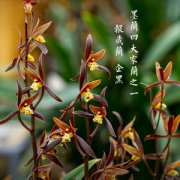
Is Qihui Cymbidium sinense very common? A full analysis of blooming period, fragrance and price
Which variety of Cymbidium sinense do you like? Do you know Qihui Cymbidium sinense? This variety of Cymbidium sinense is loved by many Cymbidium sinense enthusiasts. So what characteristics does this variety of Cymbidium sinense have? Let's take a look together. Qihui Cymbidium sinense is also called Shanchuan and Qijian, etc. It is one of the four
-
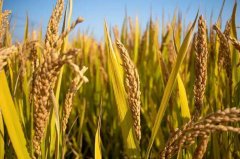
Rice Taikeng 17: Disadvantages, Weaknesses, and Variety Characteristics
Rice is one of our staple foods, and the cultivation of rice and the breeding of new varieties are very important. Do you know the rice variety Taikeng 17? Variety Characteristics I. General Agronomic Traits Taikeng 17 is a medium-late maturing variety. Its growth duration (from transplanting to maturity) is 127 days for the first crop and 112 days for the second crop, similar to the currently most widely cultivated Tainung 67; the tip of the glume is light yellow, the grain color is light yellow, awnless, and the grain shape is medium; the plant height is medium, averaging 104.2 cm for the first crop and 102.4 cm for the second crop; the average number of panicles per hill is 16.9 for the first crop and 14.0 for the second crop; the average number of grains per panicle is 91.6 for the first crop and 100.0 for the second crop; the 1000-grain weight is 23.7 g for the first crop and 24.3 g for the second crop; all of the above traits are also similar to those of Tainung 67. The fertility rate is 78.2% for the first crop and 77.2% for the second crop.
-
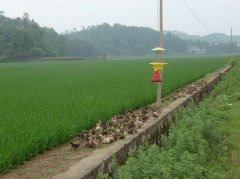
New Technology for Ecological Duck Farming in Rice Paddies: An Introduction to Efficient Duck Farming Methods
Natural ecosystems are diverse, with various organisms coexisting in harmony. We can raise many animals in rice paddies to increase income. Let's take a look at how to raise ducks in the fields. Also, beneath this beautiful ecology lie troublesome problems. For organic farms
-
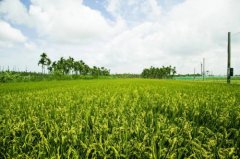
Ranking of High-Yield Rice Varieties: Kaohsiung 147 Takes the Top Spot for Best Taste
When growing rice, what rice variety do you choose? The latest rice variety is out - is it the one you want? Let's take a look together. In the "2018 Taiwan Rice Master Championship Selection" that just came out last Wednesday, the rice variety "Kaohsiung 147" took the top spot, capturing four of the six award slots. Farmer Zeng Guoqi from Yuli Township, Hualien County, broke through the encirclement of Kaohsiung 147 with "Tainan 16" and won third place in the organic rice category. But before last year, he often faced the predicament of having no water to farm with, and had to "fight for water" with others to ensure his rice harvest, because his fields were not within the irrigation association's service area.
-
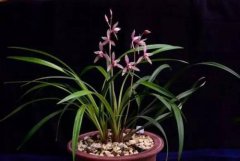
Is the Cymbidium ensifolium 'Mayor Red' easy to grow? Detailed guide to its fragrance, characteristics and price
Mayor Red is a red-flowered variety of Cymbidium ensifolium. It is said to have been first bred by a certain mayor in Taiwan, China. The color of the Mayor Red orchid is already considered quite red among Chinese cymbidiums. The price of Mayor Red has recently dropped from 100 per seedling to 30-50 per seedling, making it a good time to buy. Mayor
-
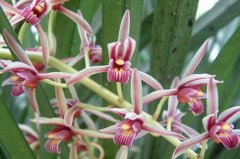
Appreciation and Value of the Cymbidium bicolor Picture, How Much per Seedling?
Cymbidium bicolor is an orchid family plant, and its growing environment differs somewhat from that of other orchids. This kind of orchid mainly grows in jungle shrubs and sparse forests or on rock walls, unlike other orchids that only grow among jungle shrubs. This kind of orchid is now
条件筛选