-
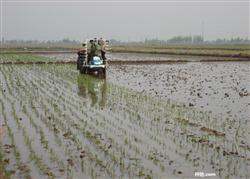
How to transplant rice seedlings properly? A detailed explanation of the key technical points
How to transplant rice seedlings well? Please guide: according to climate characteristics, the following work should be done well in rice transplanting techniques: 1. Transplant early at the right time, speed up progress, and expand the transplanting area. When the daily average temperature steadily passes 13°C and the field water temperature reaches 18°C, transplanting can begin. This year transplanting started on May 8 and [ended] before May 28...
-
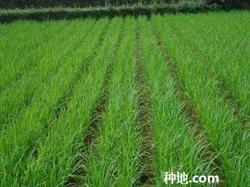
What are the benefits of applying silicon fertilizer to rice? Explained clearly in one article
What are the benefits of applying silicon fertilizer to rice? Please introduce. Rice is a typical silicon-accumulating and silicon-loving crop, with a relatively high demand for silicon, close to that for nitrogen, phosphorus and potassium, ranking fourth. The results of trials and applied research show that silicon plays a considerable role in rice growth. 1. Applying silicon to rice can enhance the rice's resistance...
-
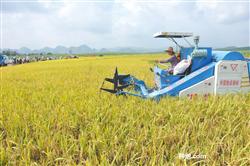
What precautions should be taken when soaking rice seeds in chemical agents?
What should be noted before and after rice harvest? Please note the following four points before and after rice harvest. 1. Drain early. Drain the water in the paddy field as much as possible, and if necessary, dig ditches to drain the water from low-lying areas early and dry the field. 2. Harvest at proper maturity. For manual harvesting, harvest when more than 95% of the rice husks in the field have turned yellow...
-
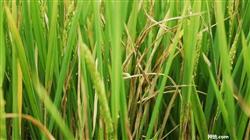
What causes yellowing leaves in rice?
Why do rice leaves turn yellow? Please explain. Yellowing of rice leaves is a common phenomenon, and its symptoms mainly fall into the following situations, which should be carefully identified and treated accordingly. 1. Toxic yellowing ① Hydrogen sulfide poisoning. The root system turns black and has a rotten egg smell, with few and thin white roots; the old leaves at the base appear yellow...
-
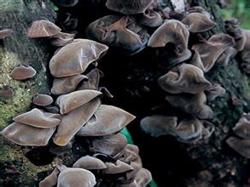
Detailed Explanation of Purple Wood Ear Cultivation Technology on Rice Straw and Sand Beds
Fungus mites, commonly known as "fungus lice," belong to the phylum Arthropoda, class Arachnida, order Acari. They are the most harmful fungal pest in the spawn production and cultivation of edible fungi, and they are also harmful to people. Their harm occurs in three aspects: first, fungus mites directly feed on mycelium, causing failure to grow after inoculation or the appearance of "mycelium regression" after growth, leading to culture...
-
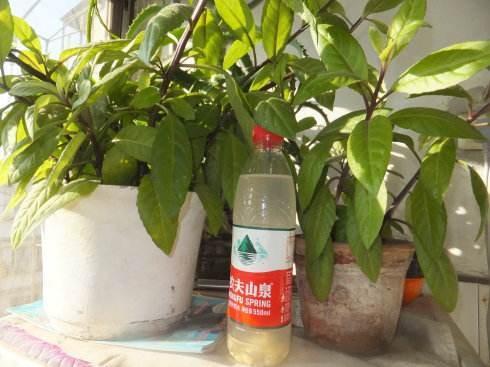
Why do some people no longer use rice water for their plants? I only found out after asking an expert, and I regretted not knowing sooner
As more and more people take up gardening, all kinds of little gardening tips have multiplied too. For example, the fairly common practice of watering plants with rice water, or with beer diluted in water, and so on. It is true that some of these little tricks are very good for the growth of potted flowers. But that is on the premise...
-
-
-
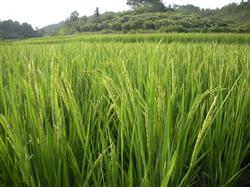
What precautions should be taken when spraying pesticides at the rice heading stage?
What should be noted when spraying pesticides at the rice heading stage? Please give a detailed introduction. Around the heading stage of rice, it is generally a period when various diseases and insect pests occur and cause damage, requiring the use of chemical pesticides for control, but applying pesticides during this growth stage can easily cause pesticide damage with some pesticides, resulting in losses that should not occur, and attention should be paid to this. 1. Triazole...
-
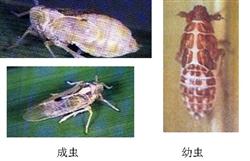
How to control the brown planthopper and white-backed planthopper in rice?
How to control the brown planthopper and white-backed planthopper in rice? Please provide an explanation of the methods. The brown planthopper has occurred at level 5 for two consecutive years, with strong pesticide resistance, while the white-backed planthopper has occurred at levels 3 to 4 for many consecutive years; the main factors affecting their occurrence are the amount of immigration and the summer-autumn climate conditions. In the winter of 2006, the brown planthopper broke out massively in the rice-growing areas of Vietnam, indicating that this...
条件筛选