-
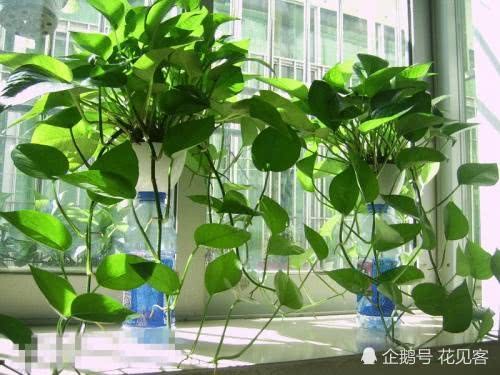
Pothos in summer with watermelon rind and rice water: old flower growers say it's a perfect match for vigorous growth and glossy green leaves
Pothos is a very common houseplant, deeply loved by many flower enthusiasts, with its variegated leaves, evergreen all year round, and trailing long vines. Just place a pot anywhere at home and it brings a touch of green. Pothos has strong vitality and grows quickly, so it needs plenty...
-

How can oyster mushrooms (Pleurotus pulmonarius) be grown on rice straw for high yields?
How can you grow oyster mushrooms (Pleurotus pulmonarius) on rice straw for high yields? Seeking answers. To grow oyster mushrooms on rice straw and achieve high yields, you can refer to the following methods. 1. Selection and disinfection of rice straw: Rice straw is the substrate for the growth of oyster mushrooms. The nutrients for the growth of oyster mushrooms mainly come from the cellulose, hemicellulose and lignin in the rice straw. The quality of disinfection is related not only to the physical and chemical properties of the substrate, but also to the contamination rate of competing microorganisms. Therefore, the selection and disinfection of rice straw are prerequisites for high and stable yields.
-

What are the common symptoms of herbicide damage in rice?
In which situations has rice been damaged by herbicides? Please note that rice suffering herbicide damage may show the following symptoms for reference: Rice spots: common ones include brown spots, yellow spots, blighted spots, net-like spots, etc. For example, if butachlor is mistakenly sprayed in the early growth stage of rice, the rice seedlings will clearly show irregular brown spots. Rice deformity: herbicide damage...
-

How are herbicides used in rice paddies? A detailed guide to application methods
How are herbicides used in rice paddies? What should you do if herbicide damage occurs? We hope experienced readers can help share their knowledge. Zhongdi Network has compiled the methods for applying herbicides in rice paddies and how to identify and remedy herbicide damage. These are listed below for readers' reference. Methods for using herbicides in rice paddies: The common...
-

How can you tell whether rice seeds carry disease?
How do you tell whether rice seeds carry disease? Is there a way to identify it? We ask knowledgeable readers to help guide us. The Zhondi website has compiled methods for identifying whether rice seeds carry disease, listed below for readers' reference. Generally, if rice seeds contain diseased grains infected with bakanae disease, these become seedlings; some have a linear stripe at the suture of the outer glume of the grain, while the surface of the grain shows no symptoms.
-
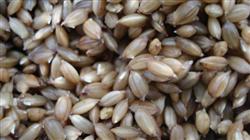
How can rice white-tip nematode disease be controlled effectively?
After the Beginning of Spring, some areas in the south begin preparing to raise rice seedlings, so Zhongdiwang has compiled the four key points of rice seedling raising, listed in detail below for netizens' reference. Key point one, treatment of rice seeds: to improve the germination rate of rice, the seeds should be sun-dried before sowing, then treated with Baike (25% prochloraz)...
-
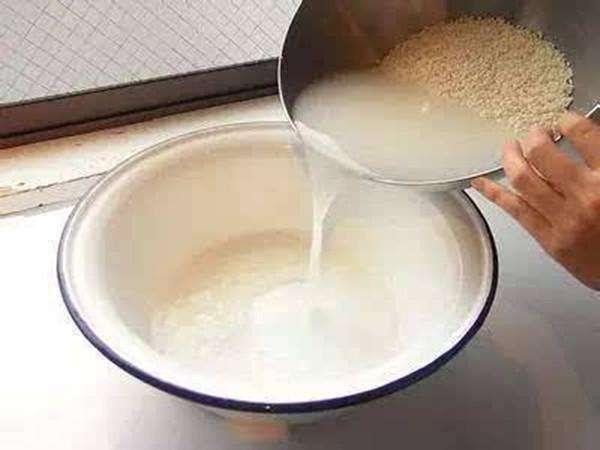
The more the pennywort grows, the more vigorous it gets, all because the wife waters it with rice water every day
Pennywort (Hydrocotyle vulgaris), as a very easy-to-grow foliage houseplant, is also very popular among flower lovers. This plant is super simple to care for, and normally needs no fertiliser, much like growing a pothos. Just water it and give it a bit of sunlight! Growing pennywort...
-
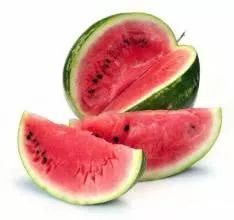
Make your own flower fertilizer from watermelon rinds, skip the pricey flower food, and your plants will still burst with growth
The fruit we love most in summer is watermelon. It quenches thirst and cools you down, and for just a few yuan you can buy one big enough for the whole family to eat. That cool, refreshing watermelon, well, we shouldn't just throw away the rind, if...
-
What is the best time to spray insecticide on rice?
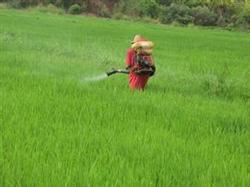
Do not spray insecticide on rainy days; this is basic common sense that farmers understand. However, many farmers often spray at noon on sunny days, which is highly inadvisable and harmful, because: 1. At noon, the light is strong, and pests hide on the undersides of leaves and inside stems, so the insecticidal effect is poor; 2. Under high temperatures and strong light, the pesticide volatilizes and decomposes late...
-
After the corn subsidy policy was introduced, the rise in corn prices is still not obvious
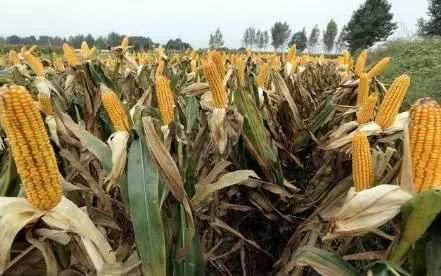
The corn subsidy policy is here. Will corn prices launch a second upward attack? Seeing this question actually made me reflect on another issue: recently there has been a steady stream of positive news for the corn market, but corn prices still have not risen! Although here there is no...
条件筛选