-

The Best Time and Detailed Repotting Methods for Tree-Stump Bonsai
April is a good time for repotting bonsai: potted trees grow in limited potting soil, and after a certain number of years the nutrients are exhausted, the soil layer becomes compacted, and the roots become densely packed and squeeze against one another, making it difficult for new roots to grow. It is best to switch to a larger pot and fill it with fresh soil (changing the soil without changing the pot is also acceptable) to ensure the normal growth of the potted tree
-
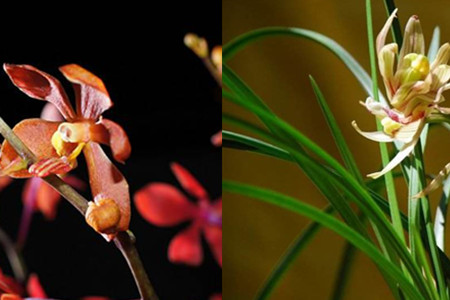
A detailed guide to night orchid planting methods and division and repotting techniques
The night orchid is very different from ordinary orchids, and it is generally edible. So many people grow night orchids as an ingredient for their own cooking. So how do you grow this kind of flower? Let's take a look.
-
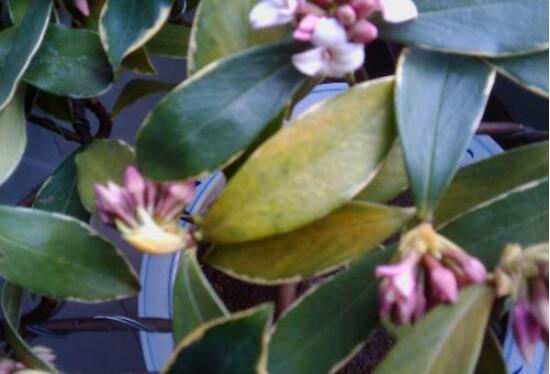
What to do when Daphne odora leaves turn yellow? Solve it with diffused light, water and fertilizer management, and repotting
Gardeners are probably familiar with Daphne odora. Its flowers are small, but they cluster together in groups, and paired with its jade-green leaves, the whole plant looks very beautiful. Such a plant is naturally kept in many homes, but during the growing process, many gardeners encounter the symptom of yellow leaves. So what should be done when Daphne odora leaves turn yellow?
-
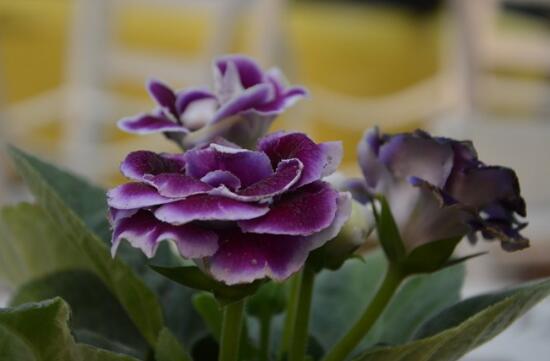
What to do when a gloxinia wilts? Repotting, temperature control and proper watering and fertilizing are key
Gloxinia flowers have many benefits, but the most impressive is their ornamental value: among the large, emerald-green leaves bloom several beautiful flowers that make anyone love them from the bottom of their heart. So when the leaves wilt, flower lovers must be very anxious! So what should you do when a gloxinia wilts?
-
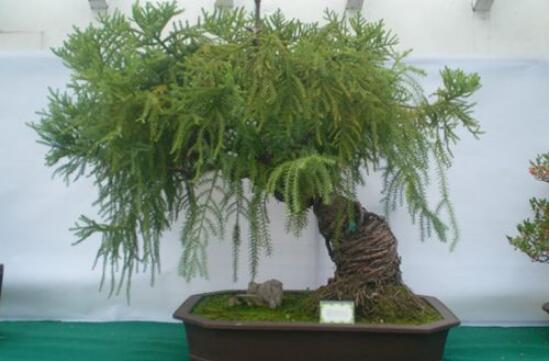
What to do when Norfolk Island pine leaves turn yellow? Shade, proper water and fertilizer, and repot with fresh soil and pest control
Norfolk Island pine, an evergreen plant, is often made into bonsai and placed indoors, and has the effect of purifying the air and beautifying the home. But during cultivation, for certain reasons, Norfolk Island pine leaves often turn yellow, giving flower lovers endless headaches. So what should be done when Norfolk Island pine leaves turn yellow
-
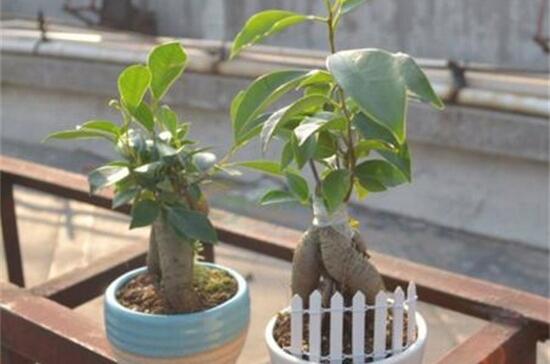
How to water a Ginseng Ficus? Master "dry-wet cycle" watering, and water less after repotting
As an ornamental plant, the Ginseng Ficus not only has an unusually beautiful, peculiar root, but its branches and leaves are also very lush and green, making it very pleasing to the eye. However, maintaining the beauty of a Ginseng Ficus is not so easy; along the way it requires careful care from us, especially when it comes to watering, which must be done properly
-
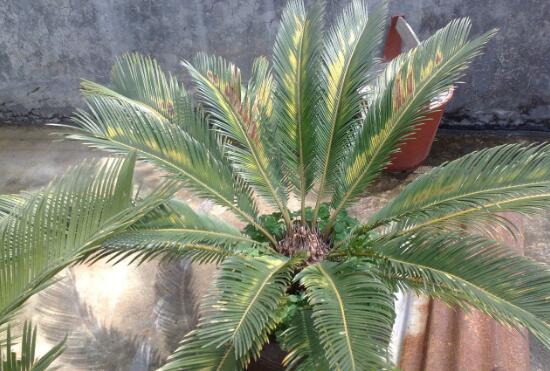
What to do when sago palm leaves turn yellow? Add light, reasonable water and fertilizer, repot and change soil, kill pests
The phrase "sago palm blooms" is no stranger to everyone, and it has also made people aware of this plant. It has a beautiful tree shape and emerald-green leaves, and is deeply loved by flower enthusiasts. In daily life, many people grow sago palms, but during care, once there is negligence, it easily causes yellow leaves. So
-
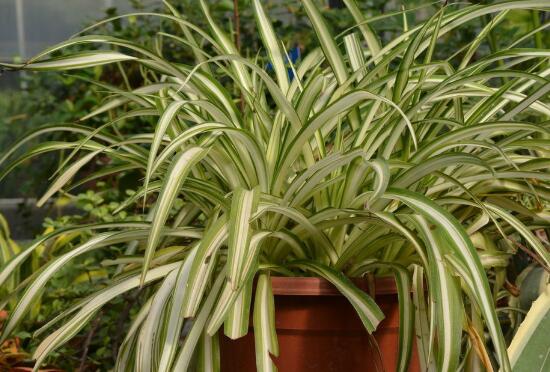
What to do about root rot in a Variegated Spider Plant? Trim off the rotten roots, repot with fresh soil, and manage water and fertilizer properly
The Variegated Spider Plant (Chlorophytum comosum 'Vittatum'), the most beautiful of the spider plants, has slender, drooping leaves with yellow-white longitudinal stripes down the center, making it very elegant and attractive. But once the Variegated Spider Plant suffers root rot, its leaves will show all kinds of problems, which affects the overall ornamental appeal of the plant. So what should you do about root rot in a Variegated Spider Plant? On this point
-
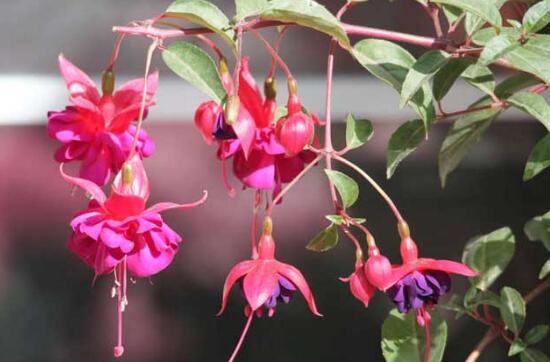
What to do when the leaves of the fuchsia turn yellow? Get the light, water, fertilizer and repotting timing right
As for the fuchsia, everyone should have seen it; its flowers are shaped like lanterns, and also like upside-down bells, so it is also called the "upside-down golden bell." Although the beauty of the fuchsia lies mainly in its flowers, when its leaves turn yellow and develop problems, it also affects its looks. So, what should you do when the leaves of the fuchsia turn yellow and soft? On this
-
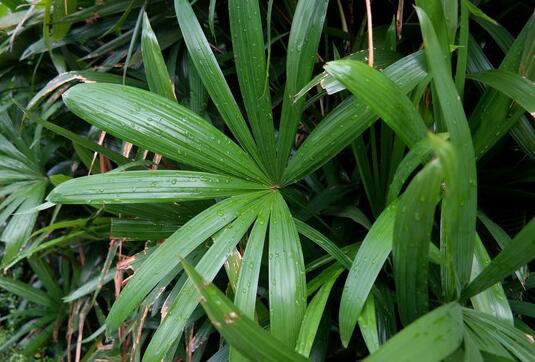
How to repot the broadleaf lady palm? Early March is the most suitable time for repotting
During the cultivation of the broadleaf lady palm, it needs to be repotted once every 2-3 years, which allows it to grow better. However, there are many things to pay attention to when it comes to repotting. So how do you repot a broadleaf lady palm? What are the precautions for repotting a broadleaf lady palm? Let us walk you through it below.
条件筛选