-
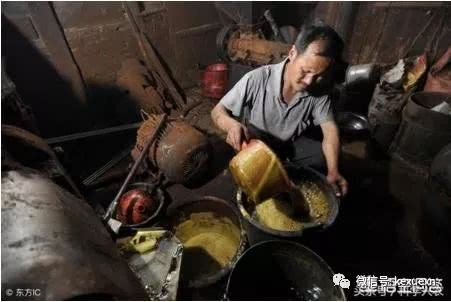
Experts say farmhouse-style home-pressed rapeseed oil is unhealthy, so why are so many people still willing to eat it?
The safety of rural pressed oil is also a topic that comes up again and again. Home-pressed peanut oil, for instance, has been listed as a Group 1 carcinogen, while glyphosate has only been classified by international health authorities as a suspected carcinogen. By comparison, this is probably...
-
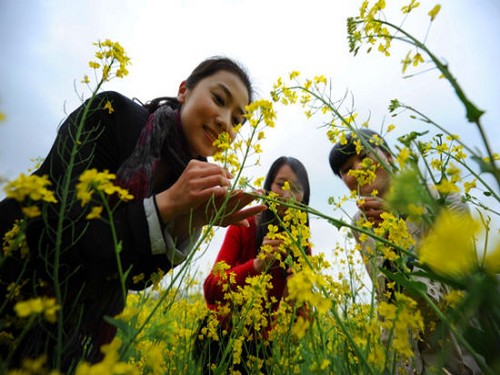
Key Techniques and Detailed Methods for Growing Rapeseed Flowers
Rapeseed flowers originated in Europe and Central Asia, and botanically belong to the annual herbaceous plants of the cruciferous family (Brassicaceae). They are widely cultivated in our country, most abundantly in the Yangtze River basin and areas to the south. They bloom from winter to spring. They are related to wood sorrel. The colors are vivid and they carry a fragrance. Rapeseed has excellent ecological benefits
-
Key Technical Points for Direct-Seeding Rapeseed in Rice Paddies
Direct seeding of rapeseed in rice paddies is a relatively new cultivation technique proposed in recent years. It not only reduces labor input, but also allows rapeseed to achieve increased and stable yields with high efficiency...
-
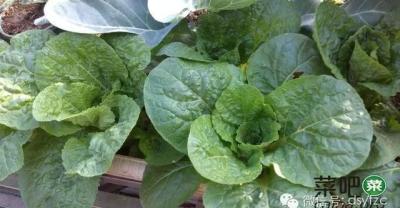
Detailed explanation of high-yield rapeseed planting techniques to help you grow a good harvest
Rapeseed is an important cash crop in China and is very common on the dining table. Rapeseed contains a variety of nutrients and is rich in vitamin C. Its seeds have an oil content of 35-50...
-

Key Technical Points for Film-Mulched Transplanting of Cotton after Wheat and Rapeseed
For transplanted cotton following wheat and rapeseed, the transplanting period is late and the growth period is somewhat delayed. Adopting film-mulched transplanting can raise temperature and conserve moisture, prevent waterlogging and drain excess water, and is an effective measure for achieving early vigorous growth, preventing stunted seedlings, and obtaining high yields. Land preparation and film mulching: After harvesting wheat and rapeseed, promptly plow and prepare the land, open furrows and form ridges, spray a soil-closing treatment agent on the ridge surface, and then apply film mulch. Combined with land preparation, apply 2000-4000 kg of decomposed organic fertilizer, 40-50 kg of compound fertilizer, and 1-2 kg of Chilibor (boron fertilizer) per mu. Transplant without delay: the transplanting period for rapeseed stubble must not
-

What are the methods for controlling pests and diseases in rapeseed?
Pest and disease control methods for rapeseed
-
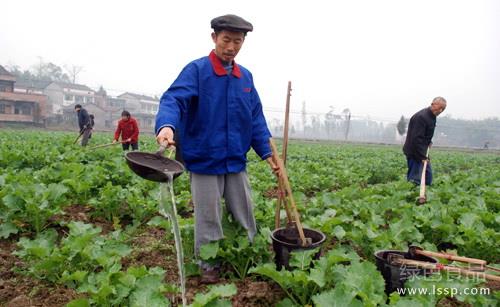
Winter seedling protection methods for rapeseed to ensure safe overwintering
Ensuring safe overwintering of rapeseed: winter seedling protection methods for rapeseed
-
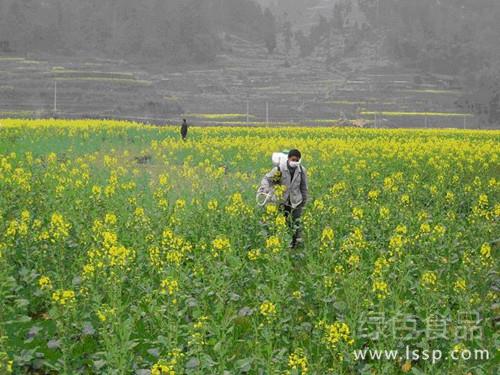
Late-stagemanagement advice for rapeseed: Seize the farming season, prevent disease and waterlogging, and ensure high yield
Seize the farming season, prevent disease and waterlogging, and ensure high yield: Late-stage management advice for rapeseed
-
What should be noted when fertilizing rapeseed? These key points must be mastered
What should be noted when fertilizing rapeseed? Please advise: when fertilizing rapeseed, the following three points should be noted: 1. Do not apply fertilizer in holes. Applying fertilizer in holes easily causes excessive local fertilizer concentration, so the roots cannot absorb it evenly, and it may even cause rapeseed poisoning and root burn, affecting growth, especially when ammonium bicarbonate is applied in holes. Therefore, rapeseed fertilization is best...
-
条件筛选