Experts say farmhouse-style home-pressed rapeseed oil is unhealthy, so why are so many people still willing to eat it?
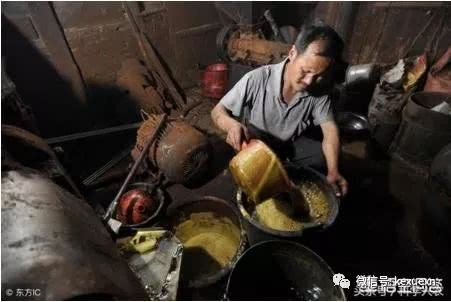
The safety of rural pressed oil is also a topic that comes up again and again. Home-pressed peanut oil, for instance, has been listed as a Group 1 carcinogen, while glyphosate has only been classified by international health authorities as a suspected carcinogen. By comparison, this is probably quite a surprise to many people.
The way our ancestors pressed oil for cooking has been passed down for at least several thousand years, yet today, in an era of food safety awareness, its standing has been shaken, to the point that people even question whether it is safe to eat. Here, Science for Agriculture would like to state its position.
According to today's scientific evaluation system, a large part of the reason home-pressed oil's safety is questioned is that it contains aflatoxin. This substance cannot be seen with the eye, is very invisible, and after pressing, without relying on instruments and equipment, there is simply no way to detect it. Aflatoxin has been listed as a Group 1 carcinogen, and this substance is a very clear carcinogen. Moldy corn, peanuts, and rapeseed are all very prone to aflatoxin contamination.
The crudeness of traditional smallholder pressing equipment also determines the instability of home-pressed oil's safety. Some rural pressing workshops now have a step to filter out aflatoxin, but compared with large refineries, this is still very crude, and the consistency of testing is also very poor, so safety hazards can never be eliminated.
From this perspective, the safety and quality of rapeseed oil pressed by smallholder workshops still lag far behind cooking oil produced by large factories.
So why do so many people still feel reassured about their own pressed oil? Mainly because most farmers who press rapeseed or peanuts to make cooking oil do so for their own consumption, and before pressing, they are very confident about the quality of their own peanuts or rapeseed. If you don't believe it, go ask them: when these farmers go to press cooking oil, who would use inferior raw materials? Since they are already full of confidence in the raw materials themselves, naturally, even without aflatoxin testing equipment, they are confident that the oil they press is far better in quality than the cooking oil produced by big factories.
But in reality, the truth is far from this. After all, these large refineries can ensure checks at every level, whether in oil refining processes or in testing equipment for finished oil, and quality is very well guaranteed. Everyone should still have confidence in our country's food safety.
This is Science for Agriculture. Welcome to follow, and let us grow our knowledge together.