Winter seedling protection methods for rapeseed to ensure safe overwintering
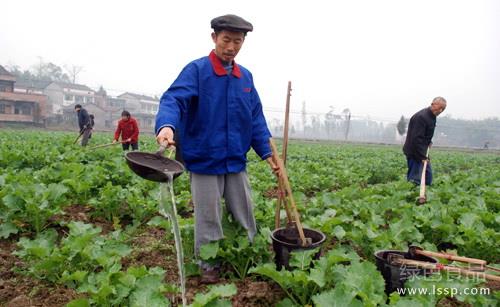
Rapeseed overwintering
In cold winter weather, besides traditional methods, measures can be taken according to local conditions such as intertillage and earthing up, mulching with straw, irrigation to prevent freezing, post-freeze management, heavy application of winter fertilizer, foliar fertilizer spraying, disease and pest control, and controlling early bolting, to ensure safe overwintering of rapeseed:
1. Apply more phosphorus and potassium fertilizer. Phosphorus promotes rapeseed root development and enhances resistance; potassium improves the cold resistance, disease resistance and lodging resistance of rapeseed.
2. Loosen the soil to increase temperature. Rapeseed fields should be intertilled and loosened to break up surface crusting, improve permeability and raise topsoil temperature. The principle is: in dry and cold weather, till shallowly; when the soil is compacted and wet, till deeply; when the ground is dry, loosen before rain; when the ground is wet, hoe after rain. Intertill before fertilizing, and earth up around the roots after fertilizing, which helps raise temperature.
3. Earth up and cover with fertilizer. Scrape soil between rapeseed rows and cover with soil-and-manure mixed fertilizer; earth up around the roots of large seedlings, around the crown of strong seedlings, and cover the roots of small seedlings. Use rotted soil-and-manure mixed fertilizer broken up evenly, and fine soil mixed with some chopped straw can be used for covering.
4. Irrigate to prevent freezing. Irrigating a rapeseed field once before a cold wave arrives can stabilize ground temperature and effectively prevent dry freezing; irrigation after freezing should be done at noon on a sunny day.
⟧ 5. Apply heavy winter fertilizer. Before overwintering, apply burned soil ash or soil-and-manure mixed fertilizer between rapeseed rows, which can raise soil temperature by 2-3°C and achieve the effect of winter application and spring growth. Apply 1000-1500 kg of pig and cattle manure or 2500-3000 kg of soil-and-manure organic fertilizer per mu.
Rapeseed overwintering
6. Foliar spraying of fertilizer. During the overwintering period, spray potassium dihydrogen phosphate, vitality essence, and Huimanfeng solution; for boron-deficient rapeseed, spray a 0.2% borax solution.
7. Cover with straw for protection. Before freezing damage arrives, cover the rapeseed leaf surface with a layer of crop straw, or scatter a layer of plant ash on the rapeseed leaves.
8. Disease and pest control. To control rapeseed aphids, cabbage caterpillars and flea beetles, generally use 10-15 g of 10% imidacloprid diluted with water for spraying; 100 mL of 40% omethoate and 20 mL of 2.5% deltamethrin diluted in 150 kg of water can also be used for spraying, but this must be done after thawing; for rapeseed fields with severe damping-off, carbendazim or thiophanate can be used for control.
9. Control early bolting. For rapeseed that bolts early, spray a paclobutrazol solution: use 35-50 g of 15% paclobutrazol powder per mu, diluted in 55-75 kg of water, and spray evenly to control early bolting.
10. Post-freeze management. If frozen seedlings are found with roots heaved out, earth up and straighten the seedlings promptly; in rainy and snowy weather, drain accumulated water from the field as early as possible to avoid waterlogging hindering root growth. When thawing, promptly scatter plant ash once over the rapeseed or spray the leaves once with clean water, which is effective in preventing freezing damage and seedling death from dehydration.