Detailed explanation of high-yield rapeseed planting techniques to help you grow a good harvest
Rapeseed is an important cash crop in China and is very common on the dining table. Rapeseed contains a variety of nutrients and is rich in vitamin C. Its seeds have an oil content of 35-50%. Rapeseed oil is rich in fatty acids and various vitamins and has high nutritional value. It is not only a good edible vegetable oil, but also has a wide range of industrial uses. In order to increase returns and boost production and income, it is very necessary to master high-yield rapeseed planting techniques. Here we summarize them based on our experience for everyone's reference!
As the saying goes, "Farming does not miss the season," so choosing the right sowing time is very important for crop planting. The planting time for rapeseed is generally from late September to mid-October.
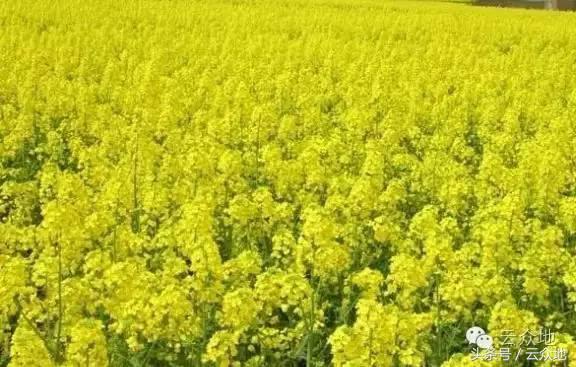
Fine land preparation
After the mid- and late-season rice is harvested, plow the land and break up the soil, form beds and open furrows. The beds are required to be 1.5 m wide and 12-17 cm high, with a finely broken and level bed surface, and field ditches and drainage ditches around the perimeter should be opened well.
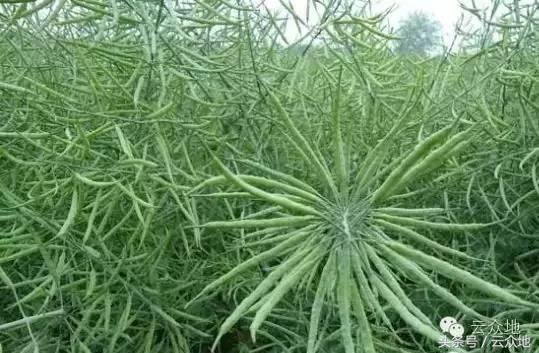
Sow at the right time and cultivate strong seedlings
For mid- and late-maturing varieties, sowing from late September to mid-October is best; for early-maturing varieties, sowing from mid-October to late October is suitable. If the late rice harvest is not timely, sowing and raising seedlings should be done 30 days before harvest.
For the seedling-raising land, it is best to choose sandy loam fields or vegetable garden land that is fertile, sunny, and convenient for irrigation and drainage. Prepare the land finely and apply sufficient basal fertilizer. Apply 1000 kg-1250 kg of decomposed pig and cattle manure and 30 kg-40 kg of phosphate fertilizer per 667 sq m. Divide into sections and sow evenly at a fixed rate, sowing 0.5 kg-0.7 kg per 667 sq m, then cover with 1 cm of soil after sowing. Thin seedlings at the 2-leaf stage, removing weak ones and keeping strong ones, and finalize the seedlings at the 4-leaf stage (keep seedlings in the seedbed and the main field at a ratio of 1:5). After finalizing the seedlings, apply 2 kg-3 kg of urea or 250 kg-300 kg of human and livestock urine diluted with water per 667 sq m. Timely control pests and diseases to ensure strong seedlings.
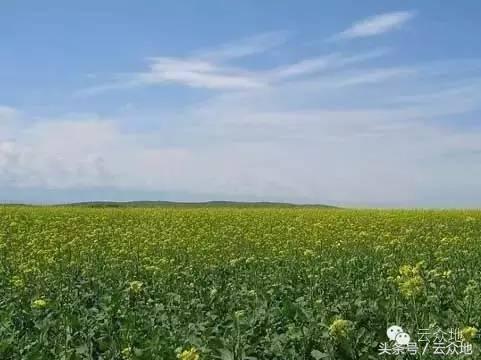
Transplant at the right time and plant at a reasonable density
When the seedling age reaches 30-35 days, transplant promptly, with a row spacing of 40 cm and a plant spacing of 20-27 cm. For mid- and late-maturing varieties, plant 8,000-10,000 plants per 667 sq m; for early-maturing varieties, plant 12,000-14,000 plants per 667 sq m. Early-maturing varieties can also be direct-seeded in holes, with a hole spacing of 27 cm x 33 cm, sowing 5-8 seeds per hole, and later thinning to leave 1 plant. After transplanting seedlings, check for missing plants and fill gaps promptly.
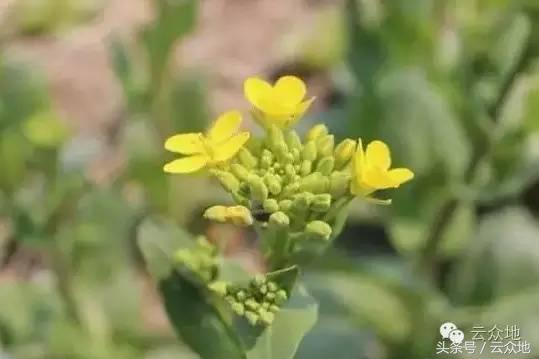
Scientific fertilization
1. Apply sufficient basal fertilizer. Farmyard manure and phosphate fertilizer are required to be composted and decomposed before application before sowing or transplanting. Apply 1000 kg of high-quality farmyard manure and 20 kg-25 kg of phosphate fertilizer per mu.
2. Apply seedling fertilizer early. For direct-seeded rapeseed, once 3 true leaves have grown, apply seedling-promoting fertilizer together with thinning and finalizing seedlings, applying 4 kg-5 kg of urea and 2 kg-3 kg of potassium chloride per mu. For seedling transplanting, apply 1000 kg/mu of dilute manure water or 8 kg-10 kg/mu of urea at the green-up stage.
3. Timely topdressing of bolting and flowering fertilizer. When rapeseed buds and bolts, apply 5 kg-7 kg of urea and 3 kg-4 kg of potassium chloride per mu, or apply 7 kg-8 kg of nitrogen-phosphorus-potassium compound fertilizer per mu.
4. Foliar topdressing. At the seedling stage and the full-flowering pod-setting stage, spray the leaves with 0.2% borax solution or monopotassium phosphate respectively to increase the seed-setting rate.
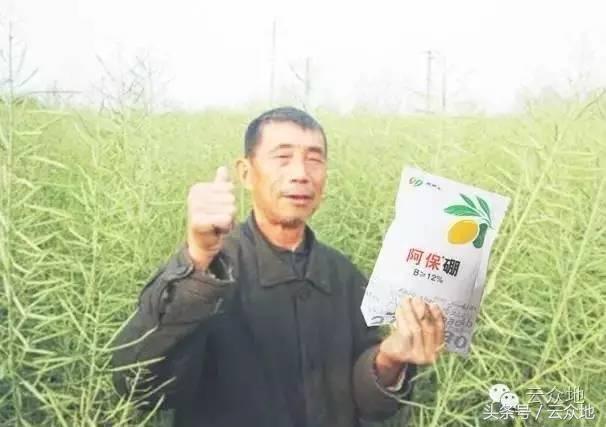
5. Boron fertilizer must be applied. High-quality rapeseed, especially hybrid high-quality rapeseed, is sensitive to boron and has a high boron requirement. Puruifeng rapeseed seed-dressing boron fertilizer uses boron compounds from Turkey's ETI company as raw material, adopts advanced scientific and technological granulation, and can continuously, evenly, and steadily supply the boron absorbed by rapeseed, truly achieving safety and long-lasting effect. It effectively solves phenomena such as rapeseed "flowering but not setting seed" and "longitudinal stem splitting," can increase the number of pods in rapeseed, improve the seed-setting rate and 1000-grain weight, and improve yield and quality. It is the first-choice product for rapeseed seed dressing or basal application of boron fertilizer to other crops.
Cultivation and weeding
For direct-seeded rapeseed, carry out cultivation and weeding together with thinning and finalizing seedlings. For seedling transplanting, carry out cultivation and weeding together with fertilization 20-30 days after transplanting.
At present, the herbicides used in rapeseed production include chlorotoluron, thiobencarb, fluazifop-p-butyl, sethoxydim, haloxyfop, and others. Among them, chlorotoluron and thiobencarb have killing effects on both monocotyledonous and dicotyledonous plants, and can kill both monocotyledonous weeds and dicotyledonous rapeseed seedlings. Therefore, these agents should be used before transplanting. Fluazifop-p-butyl, sethoxydim, and haloxyfop have a strong killing effect on monocotyledonous weeds, while being very safe for the dicotyledonous plant rapeseed. These agents can be used before or after rapeseed transplanting and are not affected by the season. Method of use: choose any one of the above agents, use 40-50 grams of the agent per mu of field, mix with 50 kg of water, and spray with a small sprayer. When spraying, pay attention to spraying evenly over the whole field to help improve the weeding effect.
Scientific irrigation and drainage
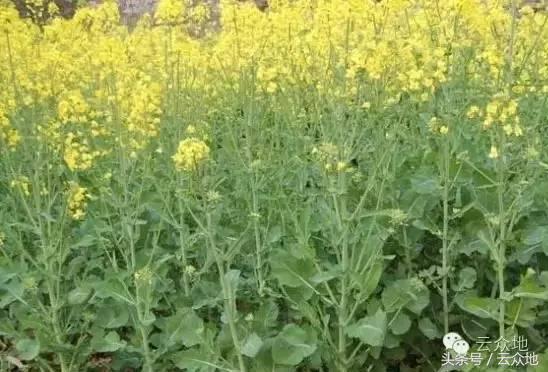
Rapeseed growth is both afraid of drought and intolerant of waterlogging. In water management, it should be possible to irrigate in drought and drain in waterlogging, and keep the bed furrows and surrounding ditches unobstructed to facilitate irrigation and drainage. During the bolting and flowering stages, water demand is high, so water supply should be ensured. During the seedling stage and the flowering and pod-setting stages, pay attention to preventing waterlogging in the field.
Prevent and control pests and diseases
The main insect pests of rapeseed include cutworms, aphids, leaf-mining leafhoppers, diamondback moths, and others. Different regions also have different pests, so control should be carried out according to local conditions. Dichlorvos, dimethoate, and pyrethroid pesticides can be used for control.
The main diseases include sclerotinia stem rot, downy mildew, and others, especially sclerotinia stem rot, which is very common in the seedling and mature stages of rapeseed and also seriously affects its oil yield and rapeseed quality. In the face of diseases, agricultural control is mainly used, with chemical control as a supplement. Pesticides such as thiophanate-methyl, carbendazim, and metalaxyl mancozeb can be used for control.
Harvest at the right time
About 30 days after the end of the full-flowering stage of rapeseed, when about 2/3 of the pods are yellow and most of the seeds in the pods have changed from green to yellow or red, they can be harvested. After manual harvesting, stack and dry them so the seeds can after-ripen. After after-ripening, promptly dry, thresh, winnow clean, dry promptly, and process promptly.
Note: For late rice fields harvested relatively late, if no-till direct seeding of rapeseed is adopted, the seedlings are weak and encounter low winter temperatures, making them prone to freezing damage and dead seedlings, which reduces yield. It is recommended to use transplanting.
Yunzhongdi - China's most professional agricultural materials e-commerce group-buying website, providing high-quality and low-cost agricultural materials products and information. Welcome to follow the WeChat public account: yozodo