-
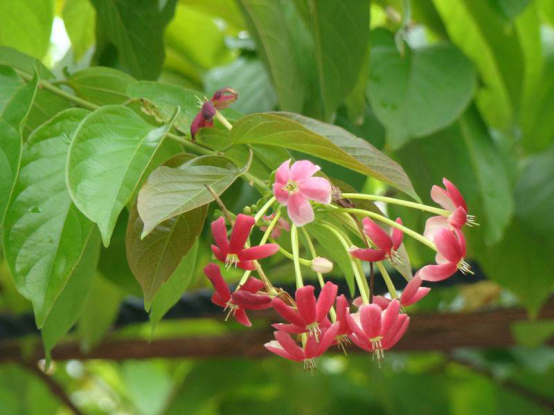
A Complete Guide to Planting and Caring for Rangoon Creeper
1. Light and temperature: The suitable growing environment for Rangoon creeper is warm and humid; it tolerates some cold, loves light and tolerates partial shade, and ample sunlight further helps the plant grow. Rangoon creeper grows better when fully exposed to sufficient sunlight, and for abundant blooming it needs full sun every day or at least 4 hours of direct light.
-
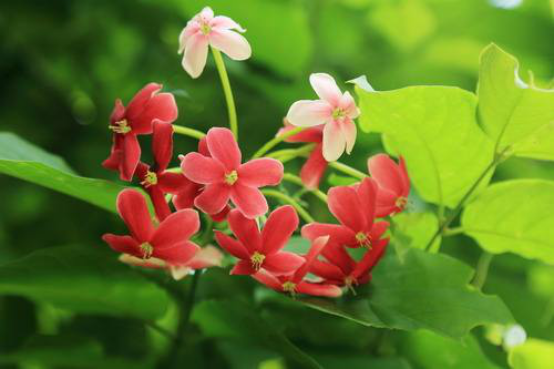
How to Propagate Rangoon Creeper? Detailed Guide to Common Propagation Methods
The main methods of propagating Rangoon creeper (Combretum indicum) are seed propagation, clump division propagation and layering propagation. 1. Seed propagation: select ripe, plump fruits as seeds (Rangoon creeper seeds that have been heated on a kang cannot be used as seeds), sow in spring in the 2nd-3rd lunar month or in autumn in the 8th-9th lunar month; autumn sowing is better. Before sowing, break the tip of the seed shell
-
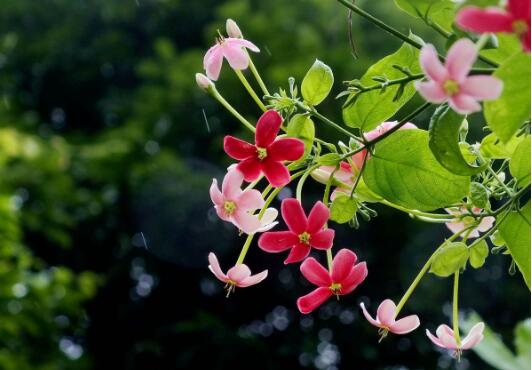
How to control the two common pests and three diseases of Rangoon creeper
During the growth of Rangoon creeper, the last thing we want to encounter is pests and diseases. Such problems are extremely harmful to the plant, and if not dealt with in time, the damage to the plant is enormous. So what are the common pests and diseases of Rangoon creeper? And how should the pest and disease control of Rangoon creeper be done
-
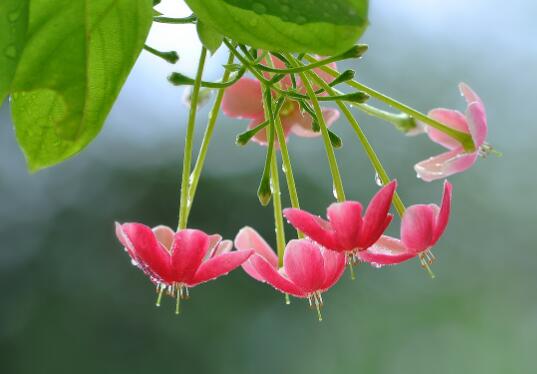
How to Propagate Rangoon Creeper? Four Methods: Seed Sowing, Stem Cuttings, Division, and Layering
Rangoon creeper (Combretum indicum) is a highly ornamental flowering plant that can be seen in many parts of China, and many people in various regions cultivate it. However, as more people grow it, questions about its propagation have become a concern. On how to propagate Rangoon creeper
-
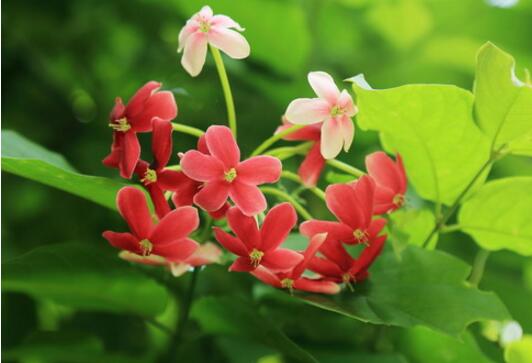
How to grow Rangoon Creeper (Quisqualis indica)? Cultivation methods and precautions, with plenty of light
Rangoon creeper is a fairly common flowering plant in people's daily lives, with high ornamental value, and it is grown in every region of our country. But if you want to grow it well, there are still many points to pay attention to. How to grow Rangoon creeper? What are the cultivation methods and precautions for Rangoon creeper?
-
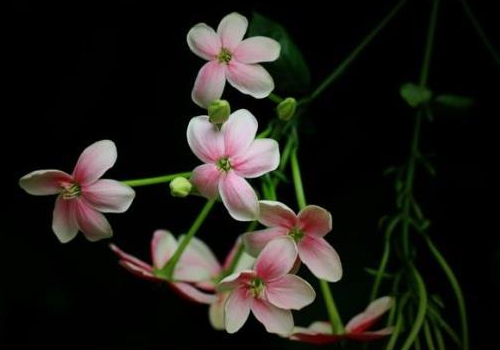
How much is a jin of Rangoon creeper seeds? Detailed planting methods
Rangoon creeper (Quisqualis indica) is one of those plants that many people love to grow, and it is super attractive when in bloom. So how do you plant Rangoon creeper seeds, and how much is a jin? How to plant Rangoon creeper seeds: Both spring and autumn rainy seasons are suitable for sowing, and it is best to sow immediately after harvesting in autumn (September to October).
-
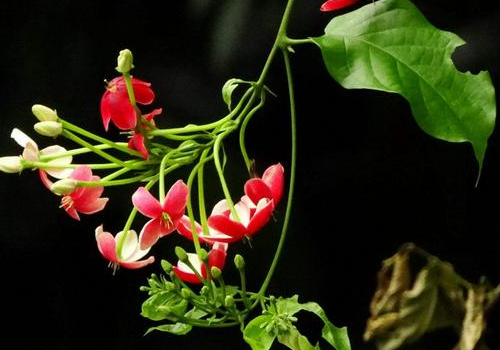
Rangoon Creeper Planting Methods and Detailed Explanation of Why It Does Not Bloom
Rangoon creeper (Combretum indicum) is a plant that can grow into a large expanse, and its flowers are quite attractive. So how do you grow Rangoon creeper? Why does it not bloom: How to grow Rangoon creeper: 1. Rangoon creeper is a deciduous climbing vine, native to India, Malaysia and other places. It prefers a warm and humid climate
-
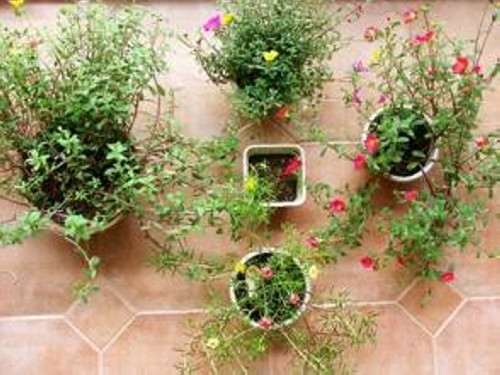
Planting Methods and Cultivation Management Tips for Rangoon Creeper
Rangoon Creeper (Combretum indicum) is a very easy plant to identify, because its small flowers, made up of five petals, droop downward once fully open, giving them a very distinctive shape. They bloom in summer from June to September, and the flowering period is quite long. The flowers come in single-petal and double-petal forms, though the single-petal flower is by far the most common, while the double-petal flower is extremely rare.
-
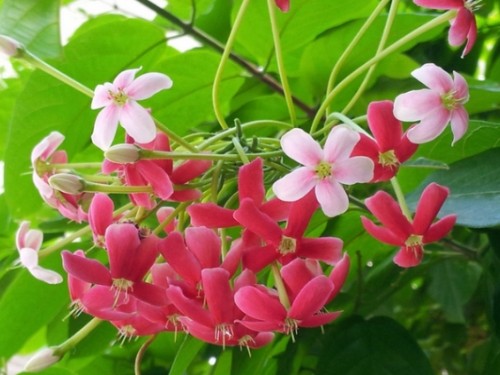
How to grow Rangoon creeper (Combretum indicum) in pots? Growing methods and points to note
Rangoon creeper, also known as Liuqiuzi and Suoziguo. In Guangzhou it is called "Shuijunzi". Rangoon creeper is a deciduous climbing shrub, with opposite oblong leaves and terminal spike inflorescences; the calyx is a long slender tube, the flowers hang downward, and the petals are red. After flowering it produces ridged fruit. The seeds used as medicine are called Shijunzi (Rangoon creeper seeds) and are an effective deworming agent
-

条件筛选