-

What are the technical methods for raising silver carp with bacterial fertilizer?
Silver carp, also known as white silver carp. It is a large freshwater fish that feeds mainly on aquatic plankton. Silver carp grows relatively fast and has relatively high economic value, and it is valued by the freshwater aquaculture industry, making it one of the important species in mixed-culture fish ponds. Silver carp inhabits the middle and upper layers of the water. In natural rivers and lakes, the largest individual can reach more than 20 kg, while in ponds, the largest individual is 10-15 kg. Silver carp has the characteristics of fast growth, few diseases, and no need for special artificial feeding. Therefore, although its flesh tastes not as good as that of black carp and grass carp, it is still currently
-
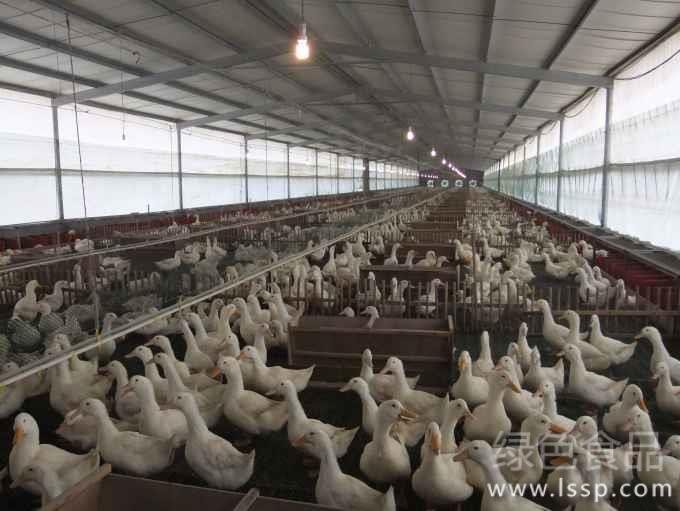
Raising Ducks on Greenhouse Frames: Fewer Diseases, Higher Profits, and a Detailed Guide to the Farming Method
Raising Ducks on Frames in Greenhouses: Fewer Diseases, Higher Profits - How to Raise Ducks on Greenhouse Frames
-
Summer rabbit-raising tips: how to raise rabbits well in hot weather
Summer has high temperatures and high humidity, which easily cause many adverse effects on rabbit production. Such as heat stress, decreased feed intake, slowed weight gain, reproductive disorders, etc. To minimize the adverse effects, the following measures are recommended: 1. Vigorously focus on heat prevention and cooling. Plant trees, forage grass, or some vine-type plants in the open space in front of the rabbit house; this can both shade and cool and green the environment. If the planting season has been missed, a shade shed 3-4 m high can be built. When the temperature inside the rabbit cage reaches 30°C, sprinkling water on the ground can also be used to cool it down, but when the house is humid, ventilation must be strengthened
-
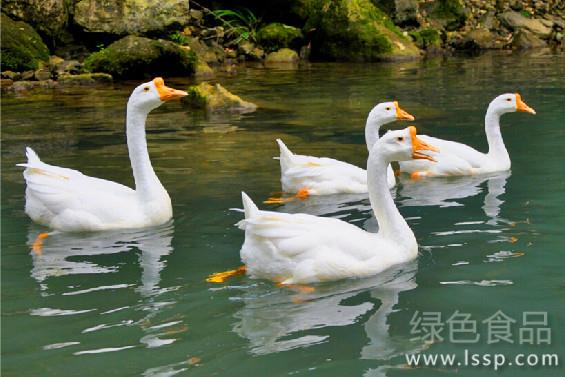
Raising geese in summer is not a losing proposition: a quick-fattening method for meat geese in midsummer
Raising geese in summer is not a losing proposition: a quick-fattening method for meat geese in midsummer
-
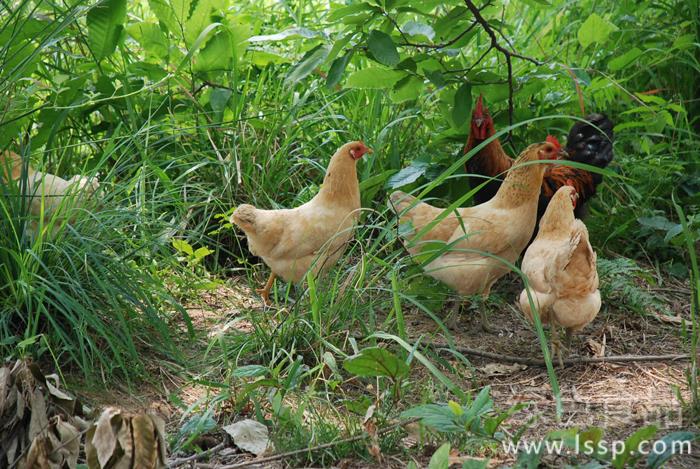
Free-range chickens are more popular than feedlot chickens, and new techniques bring high returns in raising them
Free-range chickens are more popular than feedlot chickens; new techniques bring high returns in raising free-range chickens
-
Three key points for raising fish fry in autumn
Adjust the density and grade the rearing. After the beginning of autumn, choose suitable weather when the temperature is relatively cool, pull a net through the pond to sort the uneven-sized fry, and classify them as large (about 20 cm), medium (about 15 cm), and small (below 15 cm). Large-sized fry can be transferred to larger adult fish ponds with better conditions for mixed culture, while medium and small-sized fry are raised intensively in separate ponds. For stocking density, generally a pond with a water depth of about 15 m is stocked with 3000-5000 fish per mu. Fertilize according to the water condition and feed reasonably. For nursery ponds mainly raising silver carp and bighead carp fry, in addition to
-
Detailed Explanation of Key Techniques for Raising Snakes Without Hibernation in Winter
Snakes have the habit of hibernating. In southern regions, snakes generally enter hibernation in November each year, lasting about half a year, which is unfavorable for the benefits of snake farming during the cold winter and spring seasons. How can this shortcoming be overcome? The best approach is to create the following conditions so that snakes do not hibernate during the cold season and continue to eat and gain weight. 1. Create a good heated room. The heated room should be sealed on all four sides, maintaining an indoor temperature between 20°C and 28°C, so as to accommodate the snake's internal body temperature. The heating room facilities are as follows: ① Use a coal stove to make a fire, with exhaust gas discharged outside. If building one to hold
-
What are the advantages of raising mink, foxes and raccoon dogs together?
Advantages of farming 2008-1-31 14:55:00 Source: rosenchung Raoyang County in Hengshui, Hebei, is a major county for fur animal farming, with different breeds such as mink, fox and raccoon dog, but the most profitable are the fox and the raccoon dog, because at the same price, they can always make 100 yuan more profit per pelt than others. More and more villagers in Hengshui are also farming foxes. Raoyang County is a major mink-farming county in the Hengshui area of Hebei, yet now besides
-
Raising sheep in winter and spring: make sure the sheep drink enough warm water
In winter and spring, because the temperature is relatively low, if the sheep are given cold water or even water with ice chips, they will be unwilling to drink it, which will cause insufficient water intake. This not only slows down the digestion of feed, blocks internal metabolism and lowers body condition, but also triggers various diseases. Therefore, in production it is essential to create drinking conditions for the sheep and ensure clean and sufficient drinking water. Drinking water temperature: if the water the sheep drink is too low in temperature, the water must absorb heat that the sheep themselves converted from feed, which reduces feed utilization. Therefore, in winter and spring the drinking water temperature for sheep is best kept at 20-30
-
Detailed Explanation of Key Cotton Sowing and Seedling-Raising Techniques
1. Prepare the seedbed early. Choose a disease-free plot that is sheltered from the wind and faces the sun, with higher terrain, convenient drainage and irrigation, and a low groundwater table as the seedbed. 2. Apply sufficient seedbed fertilizer, mainly organic fertilizer, with an appropriate amount of phosphorus and potassium fertilizer added, truly achieving a scientific formula. If a three-element compound fertilizer is used as seedbed fertilizer, it must be applied in an appropriate amount. When applying fertilizer, mix it thoroughly to truly achieve the goal of both fertilizing the soil and nourishing the seedlings. At the same time, apply little or no urea or ammonium bicarbonate to prevent root burn and seedling death during emergence or excessive vegetative growth of cotton seedlings, which would lead to weakened disease resistance, underdeveloped root systems, and a prolonged recovery period after transplanting.
条件筛选