-
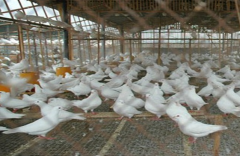
Methods and tips for raising pigeons: squab selection is the most important
In raising pigeons, the most important thing is the selection of squabs, otherwise the pigeons we raise are prone to illness, or other problems may arise. So how should we go about selecting squabs? If we keep and raise them all regardless of quality, we not only waste energy and resources, but also cause
-
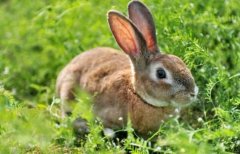
What should you pay attention to when raising rabbits? An introduction to breeding techniques and methods
Do you know how to raise rabbits? What aspects should you pay attention to when breeding them? How should you raise them to produce good rabbits? Let's take a look together. Rabbit raising methods 1. Quiet by day, feeds well at night The living habits of rabbits are close to those of rats. During the day they lie quietly
-

Why you should always keep some fresh water on hand when raising a dog
When raising a dog, you should always keep some fresh water in a fixed spot so that it can drink whenever it is thirsty, before and after exercise, and before and after meals, so that it does not go looking for unclean water to drink. This is especially true in summer and autumn, when the weather is dry and hot, and dogs particularly need to drink fresh water to make up for the moisture lost through evaporation from the body. From the puppy stage onward, if a puppy drinks enough water every day, it will develop normally and have a healthy digestive system. Otherwise, frequent water shortage can easily lead to many problems, such as being more prone to heatstroke in summer. The water left over each day should be poured out and replaced with fresh boiled
-
What are the general principles for raising velvet deer?
(1) Scientifically and rationally match the feed. To improve the production performance of deer, the feed should be scientifically and rationally matched according to local feed sources, types, reserve quantities, feed quality, deer management conditions, etc., so as to meet the nutrient requirements of velvet deer. Velvet deer have different nutritional needs at different stages. For example, male deer need more nutrition during the mating period and antler-growing period than female deer, while female deer need even more nutrition during pregnancy and lactation. Therefore, during the feeding process, feed supply plans should be prepared in advance to ensure that feed can be matched and adjusted promptly, scientifically, and rationally, so as to achieve good results.
-
Potato seedling-raising techniques
Potatoes prefer a cool climate. In production, seed potatoes are usually used as the planting material, but seed can also be used for sowing and production. When raising potato seedlings from seed, the suitable germination temperature is 21-23°C, and germination begins in about 4-5 days; at lower temperatures, the germination time is extended to about 10-20 days. The sowing rate is 5-10 grams per mu, and the seedling age is about 60 days. Management is basically the same as for solanaceous vegetables. The seedling-raising methods for seed potatoes (tubers) mainly include whole-tuber propagation, cut-piece propagation, and sprout-separation propagation. Potato
-
Technical key points for raising growing pigs well in summer and autumn
Piglets are weaned at 3-6 weeks of age and kept in the nursery house for 4 weeks. When body weight is 20-50 kg, because bone and muscle growth is relatively fast, they are called growing pigs. At this stage, the protein level is 16% and the lysine content is 0.8%. At 50-110 kg, adipose tissue is deposited in large amounts, so the protein and lysine levels can be appropriately reduced to 14% and 0.65% respectively. Ordinary pig farmers are accustomed to using concentrate or premix combined with corn, bran and other raw materials for feeding, but attention should be paid to the fact that the premix produced by some manufacturers is not up to standard, resulting in pigs
-
Grass chickens are in high demand in the market, and skillful raising can achieve high profits
Grass chickens (also known as local native chickens) have wide adaptability, strong foraging ability, tolerate extensive management, and are easy to raise. Their skin is thin and bones are fine, and the meat is delicious, tender, fragrant and tasty; they are a natural green food and are deeply favored by consumers. Judging from the current market conditions, the market price of live grass chickens is generally more than 1 times that of broiler chickens, and the price per kilogram of eggs is about 5 yuan higher than that of eggs from introduced breeds. Therefore, grass chickens have become a major farming project actively developed by many farmers. However, in order to make grass chickens gain weight quickly and reach market earlier, some farmers feed only a single type of concentrate
-
Things to note when raising piglets in spring and summer, farmers should grasp them in advance
First, pay attention to temperature changes. In spring and summer, temperatures vary greatly, there is a lot of rain, and humidity is relatively high. Pigs prefer a dry environment, have little fat tissue, and piglets are prone to feeling cold. Therefore, the temperature inside the shed and the dry environment of the pen should be maintained. Second, pay attention to increasing protein feed. Especially for piglets that have undergone long-distance transport, due to stimulation such as wind-cold and the bumping of vehicles and boats, some piglets develop dysentery and diarrhea, reduced appetite, and weight loss. In addition to doing a good job of keeping the pen dry and warm, nutrition should also be supplemented in a timely manner.
-
Practical technical points for heatstroke prevention and cooling in summer chicken raising
The most suitable temperature for laying hen production is 17°C to 28°C, and the temperature range with little effect on production is roughly 7°C to 27°C. When summer temperatures in Shandong generally exceed 35°C, chickens will faint, and when they reach 40°C, chickens will die. Experiments have shown that when the temperature inside the chicken house reaches above 30°C, rooster sperm decreases, hen sexual maturity is delayed, the fertilization rate drops by 60%, and laying by laying hens generally declines. At the same time, due to a drop in blood calcium and an imbalance in acid-base balance, other diseases are easily induced, such as E. coli and mycoplasma disease. Because broiler chickens are large in body size, prone to fat
-
Reindeer Raising Methods and Technical Key Points Explained
Reindeer (Kangifertarandus) belong to the order Artiodactyla, family Cervidae, and are animals native to the Arctic and subarctic regions. In our country, reindeer mainly inhabit the dense forests on the northwestern slope of the Greater Khingan Mountains, with an activity range in the area of 120°15′ to 123°35′ east longitude and 51°15′ to 53°15′ north latitude, and they have strong cold resistance. Reindeer have high economic value; their velvet antlers, hides, meat, and milk can all be utilized, and because of their peculiar appearance and docility, they also have high ornamental value in zoos. Reindeer at Harbin Zoo
条件筛选