-

How to cultivate flowering almond (Prunus triloba)? Care tips for abundant blooms and vivid colors
Flowering almond (Prunus triloba) is characterized by graceful flowers and vivid colors, and its blooming period spans two seasons, generally spring and autumn. It is an excellent landscape flower that can be planted in parks, courtyards or beside roads. Below are detailed cultivation and care tips for flowering almond; those of you who are interested can refer to them.
-
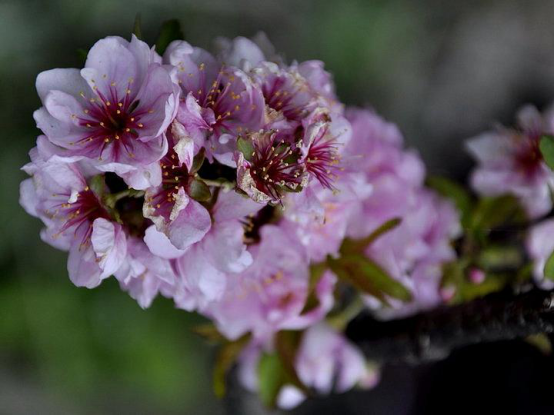
How to Grow and Care for Dwarf Flowering Cherry (Prunus japonica)
I. Temperature: The dwarf flowering cherry (Prunus japonica) is native to China. Unlike its delicate appearance, it can grow strongly even in the three northeastern provinces, so its vitality is extremely tenacious, and it is a very easy plant to keep alive! However, the dwarf flowering cherry prefers a warm and humid environment
-
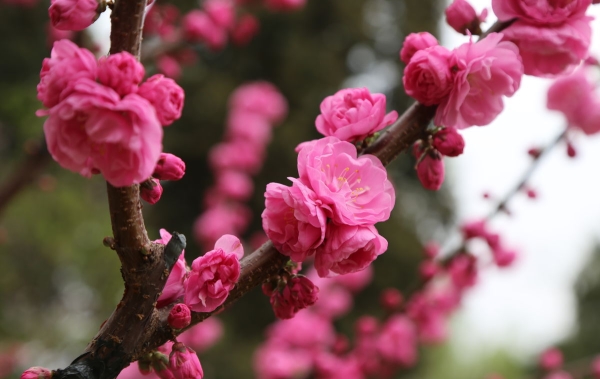
What are the key points to note when growing flowering almond (Prunus triloba)
During the growth of flowering almond, it needs frequent pruning, and it is a very pruning-tolerant plant. Pruning and thinning out the branches can reduce water evaporation, which in turn relieves pressure on the roots
-

How to grow Prunus x cistena (purple-leaf sand cherry)? Growing methods and precautions
1. Light. Prunus x cistena likes sunlight. If the light is insufficient, its leaves will turn greenish, so if you want the leaves to be a bright purple-red, you should plant it in a place with plenty of light. 2. Soil. Prunus x cistena is not demanding about soil.
-
What are the care precautions for Prunus x cistena (purple-leaf sand cherry)?
1. Winter care. Prunus x cistena has a certain degree of cold tolerance; mature plants only need their trunks whitewashed in winter. For saplings planted that same year, mounding soil around the roots or wrapping a ring of straw matting around the trunk can help Prunus x cistena get through the winter. For seedlings still developing
-
What are the pest and disease control methods for Prunus x cistena (purple-leaf sand cherry)?
1. Disease control methods. A strict inspection system must be implemented, and inspections must be carried out before the transport of seedlings. Once crown gall disease is found, the trees must be destroyed immediately, and the site where the diseased trees were planted must be thoroughly disinfected with quicklime or bleaching powder and other agents. Within one week after disinfection, no new seedlings should be planted in that soil.
-
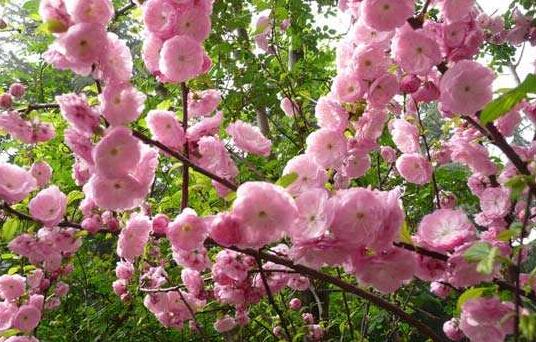
How to control pests and diseases of flowering almond (Prunus triloba)? 7 effective methods for targeted treatment
The disease resistance of flowering almond is very strong; it can survive in relatively harsh environments, but its growth will be severely hindered because such environments easily trigger pests and diseases, which pose a great threat to flowering almond, not only causing leaves to turn yellow and fall off so it cannot bloom, but also leading to the death of the plant
-
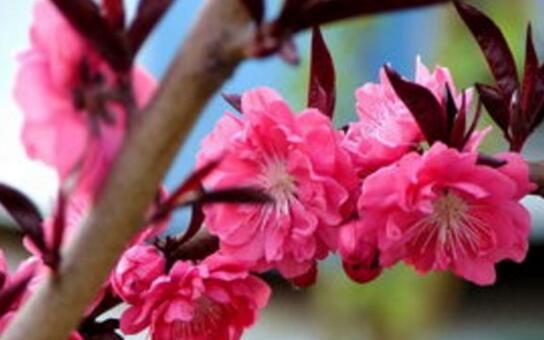
How to propagate flowering almond (Prunus triloba)? Both grafting and sowing work
Flowering almond has a strong ability to adapt to its environment, so growing it is not difficult, but once it has grown for a certain period, you need to think about propagating it. Since flowering almond is a small tree in the genus Prunus (subgenus Amygdalus) of the rose family, its propagation methods are not only the same as those of some potted plants
-
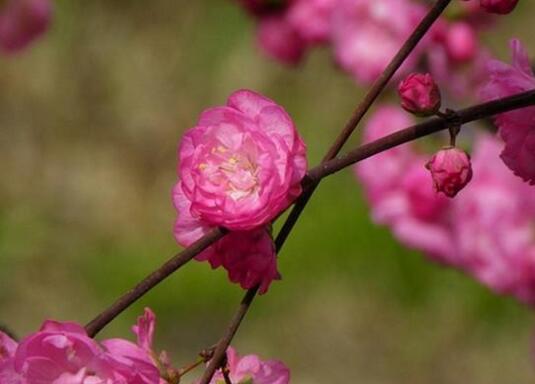
How to grow flowering almond (Prunus triloba)? Cultivation methods and precautions, watering must be reasonable
Flowering almond is native to China and has a cultivation history of several hundred years, so the experience in growing it is very rich. If you want to bring out its effects and benefits to the full, you should grow it well. So how do you grow flowering almond? Let's look at the cultivation methods and precautions for flowering almond.
-
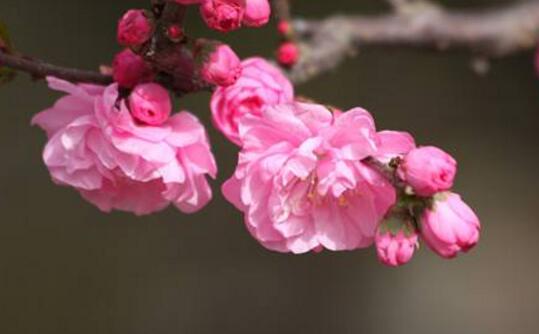
When transplanting flowering almond (Prunus triloba), keeping a soil ball and watering and pruning in time can improve the survival rate.
Flowering almond grows fairly quickly, and sometimes a flower pot or the environment limits it, so it has to be transplanted. During transplanting, be careful to avoid damaging the roots, and the care and management after transplanting are also very important. Good care can improve the transplant survival rate and will not have an adverse effect on growth.
条件筛选