-
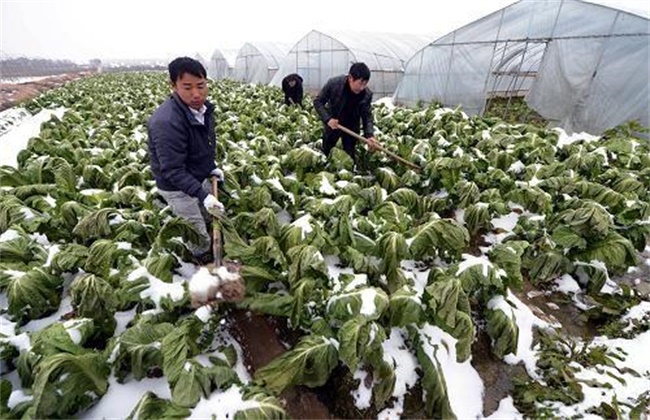
Detailed Explanation of Key Technical Points for Low-Temperature Freeze Protection of Vegetables
Low-Temperature Freeze Protection Techniques for Vegetables
-
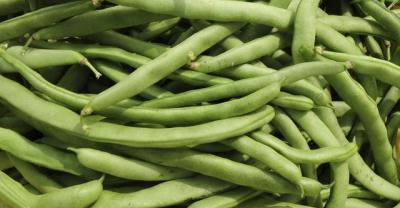
What to eat to nourish and protect the liver? These 12 common vegetables are recommended
In recent years, viral hepatitis, liver fibrosis, fatty liver, alcoholic liver, drug-induced liver damage, cirrhosis, liver cancer and other liver diseases have become a threat to human health in today's society...
-

Stomach pain and stomach problems that just won't get better? Eat more of these common vegetables to nourish and protect your stomach
Many people suffer from stomach problems, and everyone looks for ways to nourish the stomach, such as drinking stomach-soothing congee to relieve stomach pain! However, it's not just congee that nourishes the stomach,...
-

Which 11 vegetables best protect the liver? See how many you know
Here we introduce 11 vegetables that are commonly used in people's daily lives, rich in nutrients, and highly beneficial for liver disease patients, and can be eaten regularly. Water spinach Also...
-
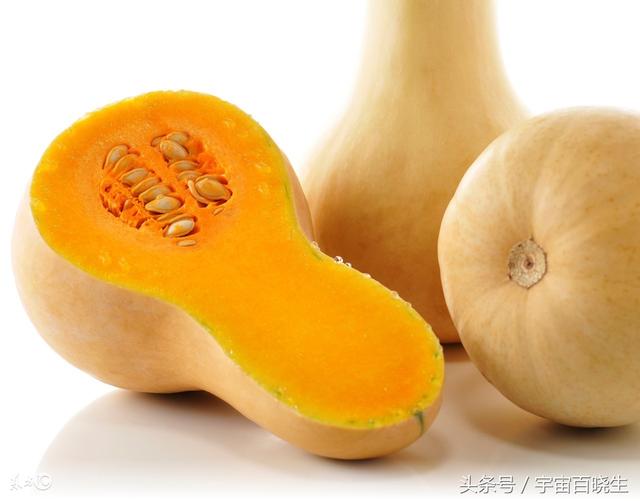
What is good to eat to nourish and protect the stomach? 5 recommended best home-style vegetables
Pumpkin - detoxifies and protects the stomach. Because it is widely said that eating pumpkin has weight-loss and beauty benefits, a pumpkin craze has sprung up in recent years. "Compendium of Materia Medica" records: "Pumpkin is warm in nature and sweet in taste,...
-
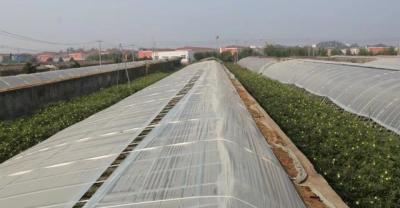
What vegetables should you eat if your stomach is not well? Eat more stomach-nourishing and stomach-protecting vegetables
Five common home-style vegetables are the best for nourishing the stomach. Now let's take a look with the editor! Sweet potato - nourishes the stomach and relieves stagnation Sweet potato is neutral in nature and sweet in taste, tonifies the spleen and boosts qi. "Gangmu Shiyi...
-
Rice management aims to nourish the roots, protect the leaves and promote tillering
Wang Shengxuan, associate researcher at the Grain Crops Research Institute of the Provincial Academy of Agricultural Sciences, believes that every year when the rainy season arrives, regional heavy rainfall occurs in the rice-growing areas in both the north and south of the province, and waterlogging causes disasters in some areas, especially for rice planted in lower-lying paddy fields, where some rice seedlings are submerged to the top. After being flooded, the rice root system and leaves are severely damaged, the plant's normal physiological metabolism and stress resistance are severely weakened, and the total number of stems and tiller seedlings drops sharply. If flooded paddy fields do not receive timely and effective management, it will inevitably cause a large reduction in yield, or even a total loss. Therefore, scientific remedial measures must be taken promptly for flooded paddy fields
-
Potato Frost Protection and Post-Disaster Mitigation Measures After Snow and Ice Damage
(1) Functions and Uses 1. The effects of low temperatures on seed potatoes during storage and on seed potatoes and young sprouts (seedlings) after sowing. 2. Reduce the severity of snow and ice damage; promote the recovery of potato growth. (2) Technical Measures 1. Preventive measures against frost damage (1) During the storage of seed potatoes, pay attention to keeping them warm. Before low temperatures arrive, take preventive measures: place a straw mat under the seed pile and cover the top of the seed pile with straw mats or other coverings to prevent frost damage. (2) Adjust the sowing period appropriately to prevent frost damage. For
-
Five practical methods to protect wheat seedlings from freezing and cold
When the severe winter comes, doing a good job of protecting overwintering crops such as wheat from the winter cold and taking preventive measures is an important guarantee for obtaining a bumper harvest. According to different field plots, the following five methods can be used to prevent freezing and protect seedlings. First, spreading grass to protect seedlings. Some varieties with strong spring habit are sown relatively late, emerge sparsely, and have fewer tillers. For such field plots, cover them with crop straw such as wheat straw and rice straw to keep them warm, promote tiller growth, prevent freezing and strengthen seedlings, so that the wheat seedlings can safely overwinter. Second, applying fertilizer and water to the roots. For field plots where wheat seedlings have shallow roots and few tillers
-
Key "Three Protections" techniques at standard wheat growth stages
From sowing to harvest, wheat takes more than half a year, spanning the entire winter and spring, and entering the harvest season in early summer. In different seasons and at different stages of wheat growth, different natural disasters may be encountered. Therefore, disaster prevention and mitigation, and ensuring wheat quality, are crucial for increasing both yield and income. Experts recommend that farmers implement the "Three Protections" during the wheat growing period: First, protect against low-temperature freezing damage. In the early stage of wheat growth, it must go through low-temperature rain and snow weather in winter. Moderate low-temperature rain and snow is very beneficial for killing pests, loosening the soil
条件筛选