What is good to eat to nourish and protect the stomach? 5 recommended best home-style vegetables
Pumpkin - detoxifies and protects the stomach
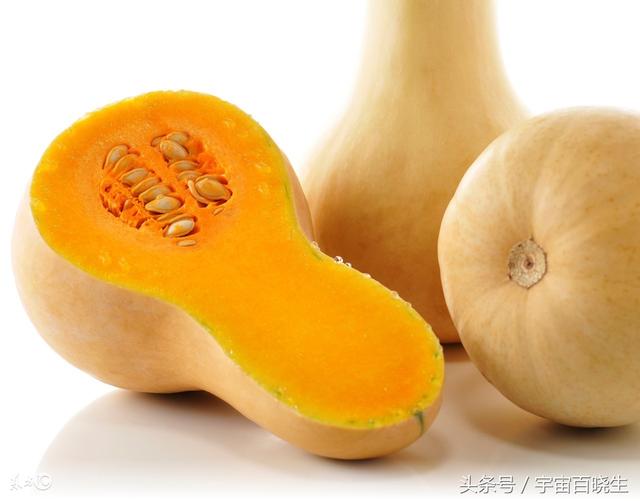
Because it is widely said that eating pumpkin has weight-loss and beauty benefits, a pumpkin craze has sprung up in recent years. "Compendium of Materia Medica" records: "Pumpkin is warm in nature and sweet in taste, and enters the spleen and stomach meridians." It can tonify the middle and boost qi, reduce inflammation and kill bacteria, and relieve pain. The rich pectin it contains can "adsorb" bacteria and toxic substances, including heavy metals and lead, playing a detoxifying role. At the same time, pectin can protect the stomach from irritation and reduce ulcers. Pumpkin can be used to make porridge or soup to nourish the stomach and intestines.
Carrot - boosts resistance
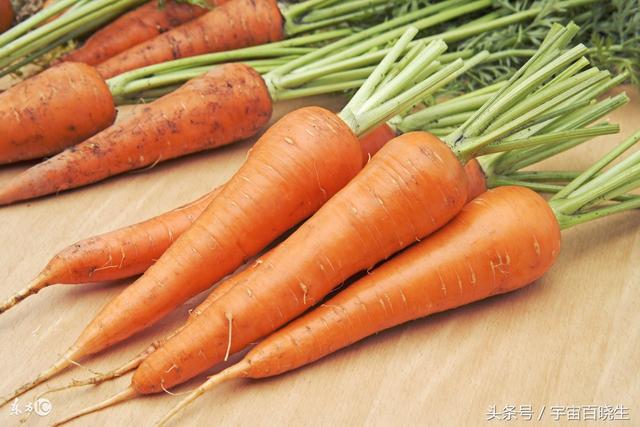
Carrot is sweet and neutral in nature and taste. Chinese medicine believes it "descends qi and tonifies the middle, benefits the spleen and diaphragm, moistens the stomach and intestines, calms the five viscera, and has the effect of promoting appetite." Its rich carotene can be converted into vitamin A, which can improve eyesight and calm the mind, boost resistance, and prevent and treat respiratory diseases. Carotene is fat-soluble, so stewing it with meat is most suitable, and the taste is better too.
Cabbage - a natural stomach vegetable
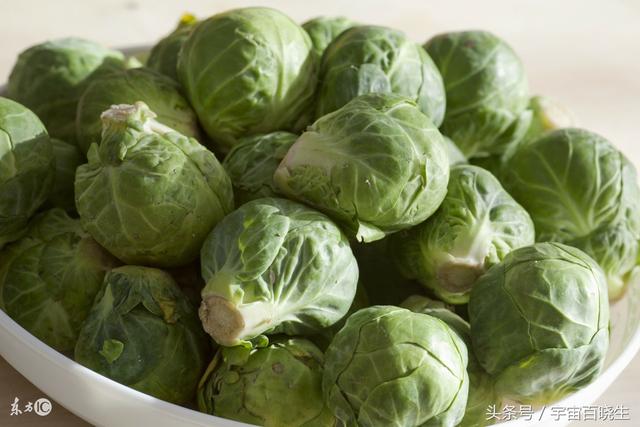
Cabbage is neutral in nature and sweet in taste, non-toxic, and enters the stomach and kidney meridians. Cabbage is one of the best vegetables once recommended by the World Health Organization, and is also known as a natural "stomach vegetable." The vitamin K1 and vitamin U it contains can not only fight gastric ulcers, protect and repair gastric mucosal tissue, but also keep gastric cells active and vigorous, reducing the chance of pathological changes. People with gastric ulcers and duodenal ulcers can drink cabbage juice every day, and can also mix it with honey, which helps promote ulcer healing.
Spinach - nourishes blood and promotes bowel movements
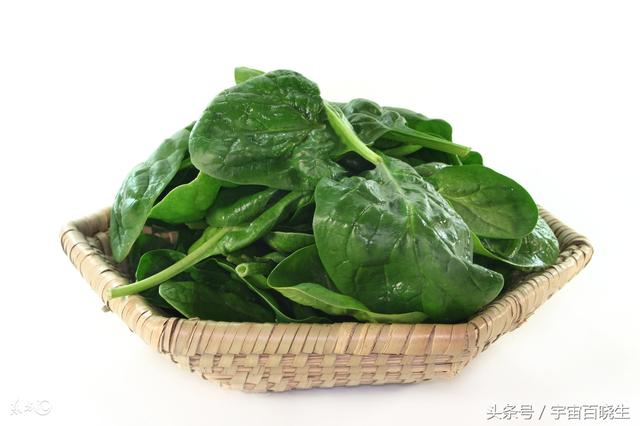
Spinach is sweet in taste and cool in nature. It can moisten dryness and nourish the liver, benefit the stomach and intestines, and relieve constipation. "Dietary Materia Medica" records: "Benefits the five viscera, frees the stomach and intestines, and relieves alcohol toxicity." Spinach can promote secretion by the stomach and pancreas, increase appetite, and aid digestion; its rich cellulose can also help intestinal peristalsis and facilitate bowel movements. However, spinach has a high oxalic acid content, which hinders calcium absorption, so it should be avoided with high-calcium foods such as tofu and seaweed, or lightly blanched before cooking to remove the oxalic acid.
Sweet potato - nourishes the stomach and removes stagnation
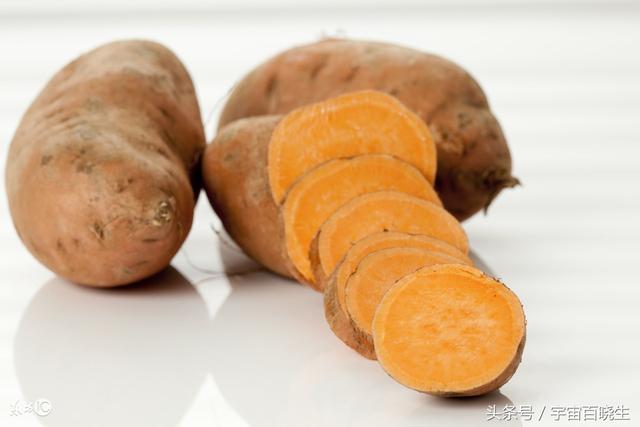
Sweet potato is neutral in nature and sweet in taste, and tonifies the spleen and boosts qi. "Supplement to the Compendium of Materia Medica" records: "Tonifies the middle, warms the stomach, and fattens the five viscera." Eaten in cold weather, it supports healthy qi and nourishes the stomach, aids digestion and removes stagnation, and can also cleanse the intestines and reduce weight. Many people think that eating sweet potato causes more flatulence, but it is actually caused by gastrointestinal peristalsis. However, sweet potato has a very high starch content, and after eating it is converted into glucose, so it is not suitable for people with diabetes.