What to eat to nourish and protect the liver? These 12 common vegetables are recommended
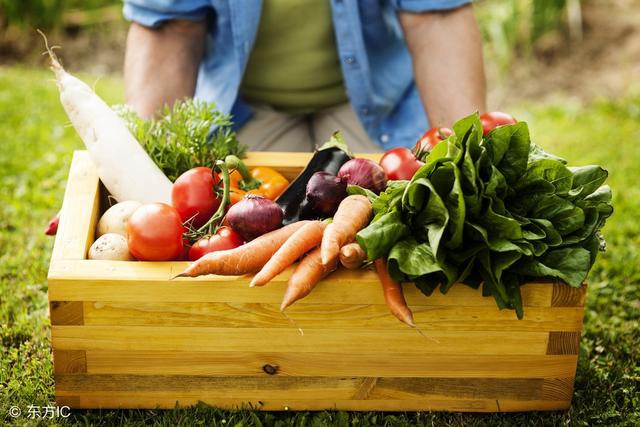
In recent years, viral hepatitis, liver fibrosis, fatty liver, alcoholic liver, drug-induced liver damage, cirrhosis, liver cancer and other liver diseases have become one of the main diseases threatening human health in today's society. Below we introduce 12 vegetables that are commonly used in people's daily lives, rich in nutrients, and highly beneficial to liver disease patients; they can be eaten regularly. Vegetables not only contain abundant vitamins, but also contain large amounts of cellulose, fruit acids, inorganic salts and so on. These substances are indispensable nutrients in the recovery process of liver disease patients. There are many vegetables beneficial to liver disease patients; some are listed below for selection.
Water spinach: also known as swamp cabbage, sweet in nature and neutral, containing protein, fat, inorganic salts, nicotinic acid, carotene, etc., with effects such as detoxification, clearing heat and cooling the blood.
Garlic: a plant of the Liliaceae family, pungent and warm in nature, spicy in taste. Liver disease patients should use it cooked; it contains vitamin A, vitamin B1, vitamin C, etc., and its extract has antibacterial, antiviral, and blood vessel-softening effects.
Shepherd's purse: a plant of the Brassicaceae family, neutral in nature and sweet in taste, containing vitamin B, vitamin C, carotene, nicotinic acid and inorganic salts. Animal experiments show that it can shorten clotting time and has a hemostatic effect, making it suitable for chronic liver disease with symptoms such as nosebleeds and bleeding gums.
Cabbage: that is, round cabbage, head cabbage, or kale, neutral in nature and sweet in taste, rich in vitamin C, vitamin B1, vitamin B2, and also containing carotene and vitamin E; eaten raw, it is effective for gastric and duodenal ulcers and pain.
Mushrooms: there are many types, now mostly cultivated artificially, including button mushrooms, Tricholoma mushrooms, shiitake mushrooms, etc., all of which are fungi. Neutral in nature and sweet in taste, they contain polysaccharides, vitamins, protein, fat and inorganic salts, etc. Experiments prove that their polysaccharides have immune-regulating and antitumor effects, and liver disease patients should eat them regularly.
Wood ear fungus: there are black and white varieties, neutral in nature and sweet in taste, containing fat, protein and polysaccharides. It can benefit the stomach and nourish the blood, and has a nourishing effect.
Seaweed: cold in nature and salty in taste, containing large amounts of iodine, alginic acid, vitamins, protein and fat, etc. It has the effect of resolving phlegm and dissipating nodules. According to research, its extract can fairly well inhibit platelet aggregation and lipid oxidation, and resist ulcers.
Lily: neutral in nature and sweet in taste, containing protein, fat and demethylcolchicine. It has the effects of tonifying qi and strengthening the middle, benefiting the lungs and stopping cough, and can also soften hardness and calm the mind. Colchicine has anti-liver-fibrosis and anti-cirrhosis effects, and regular consumption of lily can prevent and treat cirrhosis.
Carrot: slightly warm in nature, sweet and pungent in taste, rich in provitamin A (carotene), and also containing volatile oil. This product is nutritious, strengthens the stomach and aids digestion, and can be eaten raw or cooked; it has a good effect on raising the vitamin A level of liver disease patients and indirectly preventing the occurrence of cancerous changes.
Tomato: a plant of the Solanaceae family, neutral in nature, sour and slightly sweet in taste, rich in protein, fat, inorganic salts, nicotinic acid, vitamin C, vitamin B1, vitamin B2 and carotene. It has the effects of clearing heat and detoxifying, cooling the blood and calming the liver, and can be eaten raw or cooked.
Winter melon: slightly cold in nature and sweet in taste, containing protein, vitamins, adenine and nicotinic acid; the rind can promote urination and reduce swelling; the seeds can reduce carbuncles and swelling, resolve phlegm and stop cough; the flesh can clear heat and quench thirst, and can also neutralize the toxicity of fish and crab.